უფასო ხელოვნების კონსულტაცია

x
ნაბეჭდის შეძენა ნაბეჭდის შეძენაგამოსახულების შეძენა გამოსახულების შეძენა გაგზავნაგაგზავნა
დეტალებიდეტალები დამატება ფავორიტებში დამატება ფავორიტებში ჩამოტვირთვაჩამოტვირთვა მსგავსებიმსგავსები რენტგენოგრაფიული კვლევარენტგენოგრაფიული კვლევა სლაიდშოუსლაიდშოუ

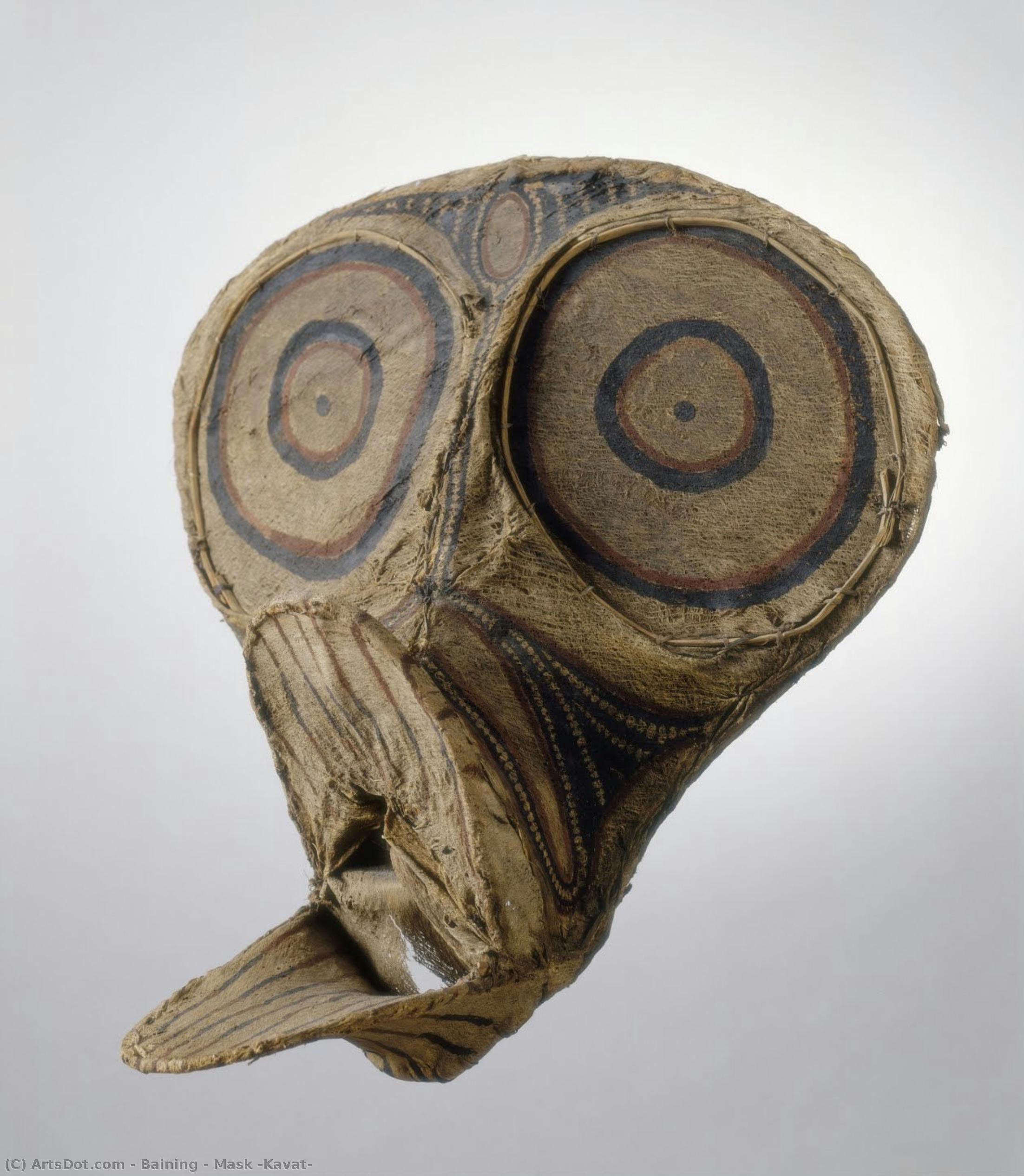
Mask (Kavat)

Explore the evocative art of Baining, a Papua New Guinean artist renowned for documenting his people's traditions & history through intricate storytelling.

ხელით ნაკვეთი ზეთის ტილოს რეპროდუქცია

ტილოზე შესრულებული ფერწერიანი ზეთប្រდათი, თქვენთვის სასურველი ზომისა და ჩარჩოსთვის, ჩვენი ხელოვანების მიერ შეკვეთის საფუძველზე დამზადებული.

Standard
custom
CM
INCH

აირჩიეთ ჩვენს მიერ წინასწარ განსაზღვრული ზომებიდან, რომლებიც ნაწარმოების ორიგინალურ პროპორციებს შეესაბამება.

სიგანე
სიმაღლე

თქვენ შეგიძლიათ მიუთითოთ თქვენთვის სასურველი ზომები კონკრეტული ჩარჩოს ან სივრცის შესაბამისად. თუ თქვენ მიერ არჩეული ზომა არ შეესაბამება ორიგინალი გამოსახულების პროპორციებს, ჩვენ ან შევაჭრებთ ნაწარმოებს, ან ტილოზე დავამატებთ ხელით მოხატულ ელემენტებს. წარმოების დაწყებამდე, დამტკიცებისთვის გამოგეგზავნებათ ციფრული მაკეტი.
გთხოვთ, გაითვალისწინოთ, რომ ეკრანზე ნაჩვენები წინასწარი შეხედულება არ ასახავს რეალურ შეჭრას ან გაფართოებას. საბოლოო კომპოზიციას ზუსტად მხოლოდ მაკეტი წარმოაჩენს.
მიუხედავად იმისა, რომ შესაძლებელია ინდივიდუალური ზომების შერჩევა, ორიგინალური პროპორციების შენარჩუნებისათვის გირჩევთ, გამოიყენოთ წინასწარ განსაზღვრული სიის ზომები.

რა შეიძლება შეიცვალოს: სახის ჩანაცვლება მომხმარებლის ფოტოთი; შინაური ცხოველის დამატება (მაგ., კატის ჩანაცვლება ძაღლით); ფონზე ფარული შეტყობინების დამატება; ფონის პეიზაჟის ან ელემენტების შეცვლა.
შეკვეთის შემდეგ, WahooArt.com გუნდი დაგიკავშირდებათ ელექტრონული ფოსტით ინსტრუქციებისთვის და გამოგიგზავნით წინასწარ ნახაზს (mockup).

მიწოდება მსოფლიო მასშტაბით -ში 3/4 კვირაში, სტანდარტული 5 კვირის ნაცვლად. (3 ივლისი). ხარისხზე კომპრომისის გაკეთება არ მოხდება.

why_choose_icon
უფასო ექსპრეს მიწოდება მთელ მსოფლიოში
why_choose_icon
საბამად მაღალი ხარისხის ტილო
why_choose_icon
სრული ტრანსპორტირების დაზღვევა
why_choose_icon
საბაჟო გადასახადების დაბრუნების გარანტია
why_choose_icon
ფერების სრული შესაბამისობის გარანტია
why_choose_icon
60-დღიანი დაბრუნების პოლიტიკა (მხოლოდ დეფექტის შემთხვევაში)
why_choose_icon
100% თანხის დაბრუნების გარანტია
why_choose_icon
ფასდაკლება დიდი რაოდენობით შეკვეთისას

ჯამური ღირებულება

-

reproduction

Mask (Kavat)

რეკლამაციის ტექნიკა

რეკლამაციის ზომა

-

საბოლოო ფასი

-


მხატვრის ბიოგრაფია

The Echoes of the Baining Mountains

The art of Baining, a name that resonates with both mystery and profound cultural significance, is inextricably linked to the rugged landscapes of the Baining Mountains on the Gazelle Peninsula of East New Britain, Papua New Guinea. More than simply a collection of visual representations, Baining artistry—manifesting in elaborate masks, intricate barkcloth designs, dynamic fire dances, and even the rhythmic patterns of their daily lives—is a complex system of storytelling, social control, and spiritual connection. It’s a tradition born from centuries of interaction with the environment, shaped by internal clan dynamics, and profoundly influenced by the ebb and flow of external pressures – most notably, the arrival of neighboring tribes and the subsequent imposition of colonial rule.

The Baining people themselves are thought to have been driven into these mountains in comparatively recent times, a consequence of migrations and conflicts with the Tolai tribes who dominated the coastal regions. This displacement fostered a unique identity—one deeply rooted in resilience, a pragmatic approach to survival, and an unwavering commitment to preserving their cultural heritage within a geographically isolated space. Early ethnographic accounts often painted a picture of a ‘primitive’ culture, largely due to the difficulty of establishing genuine communication with the Baining people – a challenge compounded by the fact that they actively resisted attempts at imposing Western frameworks of understanding.

The Language of Masks and Dance

At the heart of Baining artistic expression lies the mask. These aren’t merely decorative objects; they are conduits to the spirit world, embodiments of ancestral figures, and powerful symbols of social status and authority. Crafted primarily from cane and adorned with white barkcloth, each mask is meticulously painted using natural pigments derived from plants and berries – a process that reflects a deep understanding of the local flora and its symbolic potential. The intricate designs—often depicting mythical creatures, spirits, or clan leaders—are not simply aesthetically pleasing; they carry specific narratives and convey complex meanings understood only by initiates and elders.

The fire dances, perhaps the most iconic aspect of Baining culture, are a spectacular display of athleticism, ritualism, and community cohesion. Performed during elaborate ceremonies, these dances involve young men leaping through blazing bonfires – a symbolic act of purification and initiation into manhood. The rhythmic drumming, chanting, and swirling movements create an immersive experience that transcends the purely physical, connecting participants to their ancestors and reinforcing social bonds. The Baining believe that fire possesses transformative power, capable of cleansing negativity and ushering in new beginnings.

A Culture Shaped by Constraint

Despite the romanticized notions of a ‘primitive’ culture, the Baining way of life is characterized by a remarkable degree of constraint. Unlike many other Melanesian societies, they actively discourage play and leisure activities, viewing them as frivolous distractions from the essential task of working to sustain their community. This emphasis on work—on mastering the land and securing resources—is not simply a matter of economic necessity; it’s deeply intertwined with their spiritual beliefs and social structure. As anthropologist Alexandra Edwards has argued, the Baining see themselves as distinct from the ‘animalistic’ world through their labor, effectively defining what it means to be human.

This aversion to play is not simply a matter of repression; it's a fundamental aspect of their worldview. The Baining believe that excessive indulgence leads to chaos and disruption, while disciplined work fosters harmony and stability. The very act of creating—whether through crafting masks, weaving barkcloth, or cultivating crops—is imbued with spiritual significance, transforming everyday tasks into sacred rituals.

Legacy and Interpretation

Contemporary interpretations of Baining art and culture often challenge the reductive portrayals of the past. Recent scholarship has moved beyond simplistic notions of ‘primitiveness,’ recognizing the sophisticated mytho-poetic systems that underpin Baining social organization, artistic expression, and spiritual beliefs. The Baining’s resistance to external influences—their deliberate rejection of Western concepts of play and leisure—has been reinterpreted as a form of cultural preservation, a conscious effort to maintain their unique identity in the face of overwhelming pressures.

The art of Baining continues to evolve, adapting to changing circumstances while retaining its core values. Despite facing challenges such as environmental degradation and economic hardship, the Baining people remain committed to preserving their traditions—a testament to the enduring power of a culture forged in the heart of the Baining Mountains.

baining

baining

Papua New Guinea

მოკლე ინფორმაცია

  • Artistic Movement Or Style: Indigenous Art
  • Artists Or Movements Influenced By This Artist: ['None known']
  • Artists Who Influenced This Artist:
    • Thomas Baines
    • George Grantham Bain
  • Full Name: Baining
  • Nationality: Papua New Guinean
  • Notable Artworks:
    • Baining People
    • Night Dance Ceremonies
  • Place Of Birth: WahooArt, Papua New Guinea