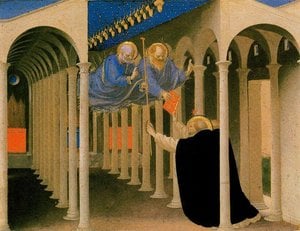
მუზეუმის დონის ჟიკლე ან ტილოზე ბეჭდვა სწრაფი წარმოებისა და დასრულების მოქნილი ვარიანტებით. ( შეიძინეთ ხელით შესრულებული ნახატი გადართვა ციფრულ გამოსახულებაზე)





























აირჩიეთ ჩვენს მიერ წინასწარ განსაზღვრული ზომებიდან, რომლებიც ნაწარმოების ორიგინალურ პროპორციებს შეესაბამება.

შეიყვანეთ თქვენთვის საჭირო სიგანე და სიმაღლე, რათა გამოსახულებამ თქვენს ჩარჩოს ან კედელს ზუსტად მოერგოს. ბეჭდვისას შესაძლებელია მხოლოდ მისი შემცირება და არა გაზრდა, ამიტომ სხვა ფორმის ზომის შემთხვევაში სურათი ნაწილობრივ იკარგება. სანამ რაიმეს დაბეჭდავთ, ჩვენ გამოგიგზავნით ციფრულ მაკეტს დასდასტურებლად. ამ გვერდზე ნაჩვენები სურათი არ ასახავს რეალურ ჭრას — ამას მხოლოდ მაკეტი გვიჩვენებს.
მიწოდება მთელ მსოფლიოში () 2 კვირაში, სტანდარტული 4/5 კვირის ნაცვლად. (9 ნოემბერი)
წმინდა ეუფემია
რეპროდუქციის ზომა
In the quiet, contemplative space of Andrea Mantegna’s St. Euphemia, completed in 1454, viewers are invited into a profound encounter with the divine and the classical. This masterpiece serves as a cornerstone of Early Renaissance expression, capturing a moment where religious fervor meets the intellectual revival of Roman antiquity. The saint herself is presented within a striking arched niche, an architectural device that does far more than frame her figure; it creates a breathtaking illusion of depth, drawing the observer into a sacred realm that feels tangible and immediate. Mantegna’s mastery of linear perspective guides the eye toward a vanishing point behind the saint, establishing a sense of three-dimensionality that was revolutionary for its time, signaling a decisive departure from the flatter, more decorative Gothic traditions.
The emotional resonance of the work is deeply rooted in its somber and reverent atmosphere. Mantegna employs a deliberately subdued color palette, dominated by earthy hues of brown, ochre, and deep red. These tones evoke a sense of solemn piety, creating a mood of quiet contemplation that is perfect for spaces designed for reflection or high-end classical interiors. To break the gravity of these muted shades, the artist strategically utilizes accents of gold leaf to highlight the saint’s crown, her jewelry, and the intricate folds of her drapery. This subtle luminosity provides a celestial spark amidst the shadows, emphasizing the spiritual significance of her station.
Beyond its visual beauty, St. Euphemia is a rich tapestry of Christian iconography and archaeological precision. The saint stands as a powerful emblem of triumph over adversity; she holds aloft a palm branch, the universal symbol of martyrdom, while her hands are raised in a gesture of benediction. Every element of her attire and surroundings speaks to her sanctity and royal status. In some interpretations of this period, the presence of a lion or specific wounds serves to remind the faithful of her endurance through persecution, adding layers of narrative depth that engage both the heart and the intellect.
The technical execution of the piece reveals Mantegna’s unwavering commitment to detail and his fascination with the textures of the ancient world. Utilizing tempera paint—pigments bound with egg yolk—on a wooden panel, the artist achieved a velvety texture and subtle gradations in tone that allow the light to sculpt the saint's form with remarkable precision. This meticulous layering of pigment ensures a durability and depth of color that makes a high-quality reproduction particularly captivating for collectors. For the interior designer or art enthusiast, this work offers more than mere decoration; it provides a window into the Renaissance soul, bringing a sense of historical weight, sculptural dignity, and timeless grace to any curated collection.
„წმინდა ეუფემია“-ის გადმოწერას შესაძლებელი ხდის ნამუშევრის ჩამოტვირთვა გვერდი, რომელიც გთავაზობთ მაღალი გარჩევადობის ციფრული გამოსახულების ჩამოტვირთვა.
ნამუშევრის „წმინდა ეუფემია“ ავტორი არის ანდრეა მანტეგნა. ნამუშევარი დატრიალებულია ანდრეა მანტეგნა-ის სახელით.
ანდრეა მანტეგნა-ის „წმინდა ეუფემია“-ისთვის რეკომენდებულია (ფოკუსური) გამოყენება და (მისაღები ოთახი) სივრცე.


1431 - 1506 , იტალია

Explore 10 iconic paintings with captivating 'mushroom' tones! Discover Van Gogh, Monet & Rembrandt’s masterpieces—earthy palettes, rich history & artistic techniques. Find museum-quality art reproductions and curated decor ideas at

Explore 10 iconic paintings dominated by rich clay tones – from Rembrandt's warmth to Van Gogh’s earthy landscapes. Discover art history, techniques & find museum-quality reproductions at . Explore the full collection online!

Journey through 10 iconic paintings bathed in 'sand' tones – from Van Gogh to Monet. Explore the stories, techniques & warm palettes of these timeless masterpieces. Find museum-quality art reproductions at and bring classic beauty home.

Explore the captivating world of earth tones in art! Discover historical context, emotional resonance & artistic techniques behind these timeless colors. Find inspiration for your home decor and museum-quality reproductions.
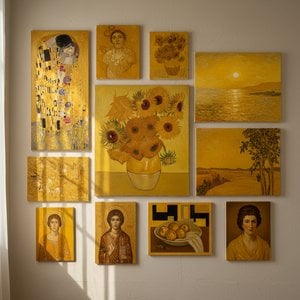
Explore 10 iconic paintings bathed in golden yellow ochre! From Van Gogh's sunflowers to Monet’s haystacks, discover the stories behind these masterpieces. Find museum-quality art reproductions & elevate your home decor on .
 წინასწარი ნახვა
 გაგზავნა
 გაზიარება
 დეტალები
 გზამკვლევი

 ჩამოტვირთვა
 მსგავსები
 რენტგენოგრაფიული კვლევა
 სლაიდშოუ
 კითხვა-პასუხი
 სტატისტიკა


 გააგრძელეთ კითხვა









 მინის ჩარჩოს არჩევანი შესაძლებელია მხოლოდ 110 სმ-მდე ზომისთვის