ორიენტალიზმის ხედვების პიონერი: ალექსანდრე გაბრიელ დეკამპსის ცხოვრება და ხელოვნება
ალექსანდრე გაბრიელ დეკამპსი, სახელი, რომელიც ეგზოტიკური ლანდშაფტების მკვეთრ ფერებსა და რომანტიზმის დრამატულ სულს ეხმიანება, მე-19 საუკუნის ფრანგული ფერწერის საკვანძო ფიგურად წარმოჩნდა. 1803 წლის 3 მარტს პარიზში დაბადებული მისი შემოქმედებითი გზა გაბედული ინოვაციებისკენ იყო მიმართული; მან გამოწვევა ছুდა აკადემიურ კონვენციებს და დაუღუპავი გზა გაკვალა იმ სტილისკენ, რომელიც მოგვიანებით ორიენტალიზმად იქნებოდა ცნობილი. მიუხედავად იმისა, რომ მისი თანამედროვეები, როგორიცაა დელაკროი და ინგრესი, ასევე წამყვან პოზიციებს იკავებდნენ ფრანგულ სამხატვრო სამყადლოში, დეკამპსმა საკუთარი თავი გამორჩეული, ინტენსიურად პერსონალური სტილით გამოარჩინა — რაც იყო ზედმიწევნითი დაკვირვების, დრამატული კომპოზიციისა და მომხიბვლელი ნარატივის სინთეზი, რომელიც მაყურებელს ნაცნობ და ამავდროულად სრულიად უცხო სამყაროებში გადაჰყავდა. მისი ადრეული აღიარება ნიჭიერ ხელოვანად წინასწარმეტყველებდა კრიტიკული აღიარებით აღსავსე კარიერას, რომელიც 1855 წლის პარიზის გამოფენაზე დიდ ან საბჭოს მედლით დასრულდა, რაც მისი გამორჩეული ნიჭისა და უნიკალური ხედვის დასტური იყო. ტილოებს მიღმა დეკამპსი იყო ბუნებასთან ღრმად დაკავშირებული ადამიანი, რომელიც სიმშვიდესა და შთაგონებას პარიზის შემოგარენში პოულობდა, სადაც თავის ვნებას ცხოველებისა და სანადირო სპორტის მიმართ ასრულებდა — ეს სიყვარული ფ subtly შეღწევდა მის თითქმის ყველა შემოქმედებით ნამუშევარს.
წმინდა წერილებიდან საჰარამდე: მხატვრული სტილის ევოლუცია
დეკამპსის მხატვრული განვითარება ხასიათდებოდა მრავალფეროვანი თემებისა და ტექნიკების შესწავლის სურვილით. თავდაპირველად ის ისტორიულ და ბიბლიურ სცენებს მიიჯნებოდა, თუმცა მალევე გამოირჩეოდა ამ ნარატივების უპრეცედენტო რეალიზმით — მათ ავთენტურ, ადგილობრივ გარემოში ათავსებდა და არა იდეალიზებულ ან ტრადიციულ რეპრეზენტაციებზე დაყრდნობით. ამ სიმართლისკენ სწრაფვა მისი აღმოსავლეთში გადასვლების შედეგი იყო, რამაც ღრმად მოახდინა გავლენა მის მხატვრულ შეგრძნებებზე. იგი მხოლოდ იმას კი არ ასახავდა, რაც თვალსხვთ und-სადენდა, არამედ გადმოსცემდა ატმოსფეროს, სინათლისა და ამ შორეული მხარეების არსის განცდას. მაგალითად,
იოსების გაყიდვა ძმების მიერ არ არის მხოლოდ ბიბლიური ისტორიის ილუსტრაცია, არამედ კონკრეტული დროისა და ადგილის ცოცხალი პორტრეტი, რომელიც ემოციური სიღრმითა და ფსიქოლოგიური გამჭრიახობითაა გაჯერებული. ეს მიდგომა ვრცელდებოდა მის უფრო მასშტაბურ ისტორიულ ნამუშევრებზეც, როგად არის
კიმბრიელთა მარცხი, სადაც მან ოსტატურად ასახა ბრძოლის ქაოსი და სისასტიკე, აჩვენა დინამიკური ენერგიით მართული კომპოზიციების შექმნის უნარი. თუმცა, სწორედ ორიენტალური ცხოვრების აღწერიამ გამორჩეული გახადა იგი; მან წარმოაჩინა ყოველდღიური სცენები — ბაზრები, სკოლები, საოჯახო ინტერიერები — ისეთი სიზუსტით, რაც თავდაპირველად აბნევდა კრიტიკოსებს, რომლებიც უფრო რომანტიზებულ ან სტერეოტიპულ გამოსახულებებსად მიჩვნილი იყვნენ.
ორიენტალიზმის მამა და მისი მარადიული გავლენა
დეკამპსი სამართლიანად მიიჩნევა ფრანგული ფერწერის ორიენტალიზმის ფუძემდებლად. მასამდე აღმოსავლეთის გამოსახულება ხშირად ფანტაზიისა და ეგზოტიკის პრიზმიდან ფილტრავდა თვალს. მან შემოიტანა განსხვავებული ხედვა — პირდაპირ დაკვირვებასა და ნამდვილ ცნობისმოყვარეობაზე დაფუძნებული. მისი 1831 წლის სალონის გამოფენა გარდამტეხი მომენტი აღმოჩნდა, რამაც პარიზელ მაყურებელს ჩრდილდაუნდlessად აჩვენა ცხოვრება ჩრდილოეთ აფრიკასა და ახლო აღვდენაზე. ამ ინოვაციურმა მიდგომამ რეზონანსი გამოიწვია ხელოვანებსა და მწერლებში, რამაც მოგვიანებით მე-19 საუკუნის ხელოვნების დომინანტური ნაწარმოებების ტალღა წარმოშვა. მისი სტილი — რომელიც ხასიათდება მკვეთრი ფუნჯის მონასმებით, სინათლისა და ჩრდილის გამორჩეული კონტრასტითა და ატმოსფეროს განჭვრეტადი შეგრძნებით — მომავალი თაობების მხატვრებისთვის, ფოტოგრაფებისა და ავტორებისთვის საორიენტაციო წერტილად იქცა.
მაქსიმ დი კამპმა იგი ცნობილად მოიხსენია, როგორც „ორიენტეს ქრისტოფერ コლუმბოსი“, რითაც აღიარა მისი როლი ამ ახალი მხატვრული ტერიტორიის აღმოჩენაში.
ალბანელი მოცეკვავე თავისი მკვეთრი ფერებითა და ენერგიული კომპოზიციით, წარმოგვიდგება, როგორც კულტურის სულისკვეთების დაჭერის უნარი, ფრანგული ესთეტიკური სენსიტიურობის შენარჩუნებით. თუნდაც სატირული ნამუშევრები, როგორიცაა
მაიმუნთა ექსპერტები, რომელიც მხიარული ირონია იყო აკადემიის კონსერვატიული ჟიურის მიმართ, დემონსტრირებს მის მზაობას, გამოწვევა ছুდა დადგენილ ნორმებს და მიიღოს უფრო დამოუკადური მხატვრული ხედვა.
ტრაგედიული დასასრული და მარადიული მემკვიდრეობა
სამწუხაროდ, დეკამპსის სიცოცხლე 1860 წლის 22 აგვისტოს, 57 წლის ასაკში, ფონტენბლოში მოხდაპირობის შედეგად შეწყდა. მისმა untimely სიკვდილმა ხელოვნების სამყარო მართლაც ინოვაციური ტალანტი დააკარგვინა, თუმცა მისი მემკვიდრეობა მისი მომხიბვლელი ტილოებით აგრძელებს არსებობას. დღეს ისეთი შედევრები, როგორიცაა
იტალიური სოფლის ხანძარი, კონფლიქტის დრამატული გამოსახულებითა და იმპასტოს ოსტატური გამოყენებით, და
ბედუინი და აქლანი უდაბნოში დასვენებისას, რომელიც წარმოაჩენს უდაბნოს ცხოვრების ტექსტურებსა და სიმშვიდეს, აღიარებულია მათი მხატვრული ღირსებისა და ისტორიული მნიშვნელობის გამო. მისი ნამუშევრები ხელმისაწვდომია ისეთ პრესტიჟულ ინსტიტუციებში, როგორიცაა ლუვრის მუზეუმი პარიზში, რაც უზრუნველყოფს, რომ მისი ხედვა აგრძელებს შთაგონების წყაროდ დარჩენას მთელ მსოფლიოში. WahooArt.com-ის მსგავსი პლატფორმები სასიცოცხლო როლს ასრულებენ მისი ხელოვნების შენარჩუნებასა და გავრცელებაში. მისი გავლენა სცილდება ფერწერის სფეროს; იგი ჩამოაყალიბა აღმოსავლეთის აღქმა და წარუვალე კვალი დატოვა მე-19 საუკუნის ევროპის კულტურულ ლანდშაფტზე.
დეკამპსის სამყაროს অনცნობა: მნიშვნელოვანი ნამუშევრები
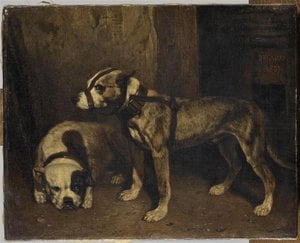
- ჭიპრინები: მომხიბვლელი ორიენტალური სცენა, რომელიც წარმოაჩენს ძაღლებს დინამიკურ გარემოში.
- ფერმის ეზო: მომხიბვლელი მე-19 საუკუნის ტილო, რომელიც აერთიანებს ფრანგულ რომანტიზმს და ისტორიულ დეტალებს.
- თურქული სკოლა: თურქული სკოლის ცოცხალი აღწერა, რომელიც ასახავს ყოველდღიური ცხოვრების ენერგიასა და ატმოსფეროს.
- თურქული პეიზაჟი: მშვიდი ლანდშფატი, რომელიც იკვლევს რეალიზმსა და რომანტიზმს ფრანგულ გარემოში.



 წინასწარი ნახვა
 გადართვა ბეჭდზე
 გაგზავნა
 გაზიარება
 დეტალები

 ჩამოტვირთვა
 მსგავსები
 რენტგენოგრაფიული კვლევა
 სლაიდშოუ
 სტატისტიკა

 გადასართად დაწვრილებით ნახეთ






































 მინის ჩარჩოს არჩევანი ხელმისაწვდომია მხოლოდ 110 სმ-ზე ნაკლები ზომისთვის