ნახვა ინტერьерში ნახვა AR რეჟიმში შეიძინეთ ხელით შესრულებული ნახატი გადასვლა ციფრულ გამოსახულებაზე გაგზავნა
დეტალები გზამკვლევი დამატება ფავორიტებში ჩამოტვირთვა მსგავსები რენტგენოგრაფიული კვლევა სლაიდშოუ სტატისტიკა

A Printer's Workshop

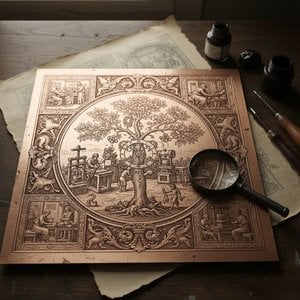
Abraham Bosse's 'A Printer’s Workshop' (1642) captures the meticulous detail of 17th-century printmaking, showcasing a skilled craftsman at work in a richly illuminated studio. An etching masterpiece.

Abraham Bosse (1604-1676) was a French artist renowned for his detailed etchings depicting 17th-century life, fashion, and interiors. A founding member of the Académie Royale, he influenced artists like Hogarth with his unique blend of realism & tech

გიკლე / ხელოვნების პრინტი

მუზეუმის დონის ჟიკლე ან ტილოზე ბეჭდვა სწრაფი წარმოებისა და დასრულების მოქნილი ვარიანტებით. ( შეიძინეთ ხელით შესრულებული ნახატი გადასვლა ციფრულ გამოსახულებაზე)

Corner sample of the P118B picture frame: ღუმლში ჩამჭედი პოლისტიროლი, 5 cm wide and 3 cm thick
P118B ₾10
Corner sample of the P118H picture frame: ღუმლში ჩამჭედი პოლისტიროლი, 5 cm wide and 3 cm thick
P118H ₾10
Corner sample of the P118W picture frame: ღუმლში ჩამჭედი პოლისტიროლი, 5 cm wide and 3 cm thick
P118W ₾10
Corner sample of the P438Z picture frame: ღუმლში ჩამჭედი პოლისტიროლი, 5.5 cm wide and 3.5 cm thick
P438Z ₾10
Corner sample of the P508JH picture frame: ღუმლში ჩამჭედი პოლისტიროლი, 7 cm wide and 3.5 cm thick
P508JH ₾12
Corner sample of the P508YH picture frame: ღუმლში ჩამჭედი პოლისტიროლი, 7 cm wide and 3.5 cm thick
P508YH ₾12
Corner sample of the P805H picture frame: ღუმლში ჩამჭედი პოლისტიროლი, 5 cm wide and 3.5 cm thick
P805H ₾10
Corner sample of the P805Z picture frame: ღუმლში ჩამჭედი პოლისტიროლი, 5 cm wide and 3.5 cm thick
P805Z ₾10
Corner sample of the P919BZ picture frame: ღუმლში ჩამჭედი პოლისტიროლი, 7 cm wide and 3.5 cm thick
P919BZ ₾10
Corner sample of the P919G picture frame: ღუმლში ჩამჭედი პოლისტიროლი, 7 cm wide and 3.5 cm thick
P919G ₾10
Corner sample of the P919XJ picture frame: ღუმლში ჩამჭედი პოლისტიროლი, 7 cm wide and 3.5 cm thick
P919XJ ₾10
Corner sample of the P959ZH picture frame: ღუმლში ჩამჭედი პოლისტიროლი, 5 cm wide and 3 cm thick
P959ZH ₾10
Corner sample of the P968JZ picture frame: ღუმლში ჩამჭედი პოლისტიროლი, 6 cm wide and 4 cm thick
P968JZ ₾12
Corner sample of the W106C picture frame: მასიური ხე, 5 cm wide and 3 cm thick
W106C ₾8
Corner sample of the W218G picture frame: მასიური ხე, 5 cm wide and 3 cm thick
W218G ₾10
Corner sample of the W218JH picture frame: მასიური ხე, 5 cm wide and 3 cm thick
W218JH ₾8
Corner sample of the W218Y picture frame: მასიური ხე, 5 cm wide and 3 cm thick
W218Y ₾10
Corner sample of the W307PJ picture frame: მასიური ხე, 6 cm wide and 3 cm thick
W307PJ ₾10
Corner sample of the W316G picture frame: მასიური ხე, 6 cm wide and 3 cm thick
W316G ₾10
Corner sample of the W316PJ picture frame: მასიური ხე, 6 cm wide and 3 cm thick
W316PJ ₾8
Corner sample of the W316Y picture frame: მასიური ხე, 6 cm wide and 3 cm thick
W316Y ₾10
Corner sample of the W398PJ picture frame: მასიური ხე, 5 cm wide and 3 cm thick
W398PJ ₾8
Corner sample of the W4111J picture frame: მასიური ხე, 6.5 cm wide and 3.5 cm thick
W4111J ₾10
Corner sample of the W500HY picture frame: მასიური ხე, 7 cm wide and 5 cm thick
W500HY ₾15
Corner sample of the W500JH picture frame: მასიური ხე, 7 cm wide and 5 cm thick
W500JH ₾15
Corner sample of the W692G picture frame: მასიური ხე, 8 cm wide and 4 cm thick
W692G ₾12
Corner sample of the W849H picture frame: მასიური ხე, 5 cm wide and 3 cm thick
W849H ₾8
Corner sample of the W940BG picture frame: მასიური ხე, 7.5 cm wide and 4.5 cm thick
W940BG ₾15
Corner sample of the W953PJ picture frame: მასიური ხე, 6 cm wide and 3.5 cm thick
W953PJ ₾8

სტანდარტული ზომა
ინდივიდუალური ზომა
CM
INCH

აირჩიეთ ჩვენს მიერ წინასწარ განსაზღვრული ზომებიდან, რომლებიც ნაწარმოების ორიგინალურ პროპორციებს შეესაბამება.

სიგანე
სიმაღლე

შეიყვანეთ თქვენთვის საჭირო სიგანე და სიმაღლე, რათა იგი მოერგოს თქვენს ჩარჩოს ან კედელს. ბეჭდვისას შესაძლებელია მხოლოდ მისი შემცირება და არა გაზრდა, ამიტომ სხვა ფორმის ზომის შემთხვევაში გამოსახულება ნაწილობრივ იკარგება. სანამ რაიმეს დაბეჭდავთ, ჩვენ გამოგიგზავნით ციფრულ მაკეტს დასდასტურებლად. ამ გვერდზე ნაჩვენები სურათი არ ასახავს რეალურ ჭრას — ამას მხოლოდ მაკეტი გვიჩვენებს.

მიწოდება მთელ მსოფლიოში () 2 კვირაში, სტანდარტული 4/5 კვირის ნაცვლად. (25 ოქტომბერი)

უფასო ექსპრეს მიწოდება მთელ მსოფლიოში
მაღალი ხარისხის ტილო
ტრანსპორტირების სრული დაზღვევა
საბაჟო გადასახადების დაბრუნების გარანტია
ფერების სრული შესაბამისობის გარანტია
დაბრუნების 100-დღიანი პერიოდი (მხოლოდ წარმოების დეფექტის შემთხვევაში)
100% თანხის სრული დაბრუნების გარანტია
ფასდაკლება დიდი რაოდენობით შეკვეთისას

ჯამური ღირებულება

₾ 177

A Printer's Workshop

გიკლე / ხელოვნების პრინტი

რეპროდუქციის ზომა

-

ჯამური ღირებულება

₾ 177

მოკლე ფაქტები

  • Artist: Abraham Bosse
  • Subject or theme: Printmaking workshop
  • Title: A Printer’s Workshop
  • Dimensions: 261 x 362 cm
  • Movement: Baroque

ტესტი ხელოვნების შესახებ

თითოეულ კითხვაზე მხოლოდ ერთი სწორი პასუხია.

კითხვა 1:
What is the primary subject matter depicted in ‘A Printer’s Workshop’?
კითხვა 2:
The etching ‘A Printer’s Workshop’ was created in which century?
კითხვა 3:
What technique is prominently used to create texture and detail in ‘A Printer’s Workshop’?
კითხვა 4:
Which artist created ‘A Printer’s Workshop’?
კითხვა 5:
The lighting in the etching is primarily characterized by:

A Window Into Craftsmanship: Abraham Bosse’s “A Printer’s Workshop”

Abraham Bosse's "A Printer’s Workshop," executed in 1642, isn’t merely a depiction of a printing press; it’s a meticulously rendered tableau of 17th-century labor, precision, and the very soul of communication. This etching, now housed within the British Museum, offers an intimate glimpse into a world where letters were painstakingly formed, knowledge disseminated through laborious handcraft, and the act of printing itself was elevated to an art form. Bosse, a pivotal figure in French Baroque art, masterfully captures not just the mechanics of the process but also the focused intensity of the men engaged within its walls – a testament to their dedication and skill.

The scene unfolds within a modestly sized interior, bathed in the diffused light streaming through a window on the left. Bosse’s genius lies in his ability to convey texture with astonishing detail. The rough-hewn wooden surfaces of the press, the tools scattered across the workbench, and even the folds of the printers' clothing are rendered with an almost tactile quality. Hatching and cross-hatching techniques dominate, creating a rich tapestry of tones that suggest both solidity and movement. The careful manipulation of line weight further emphasizes form – a thick stroke delineating the sturdy frame of the press, while finer lines capture the delicate details of individual letters being set.

A Baroque Vision: Style and Technique

“A Printer’s Workshop” firmly establishes Bosse within the tradition of 17th-century printmaking, particularly influenced by the Dutch masters. However, he transcends mere imitation, imbuing the scene with a distinctly French sensibility – a characteristic blend of realism and theatricality that would become hallmarks of Baroque art. The composition itself is carefully structured, guiding the viewer’s eye through the space and highlighting the central activity of printing. Bosse's use of perspective, while not entirely linear, creates a convincing sense of depth, drawing us into the heart of the workshop.

The monochromatic palette—a spectrum of grays ranging from near-white to deep black—is crucial to the etching’s impact. It lends an air of solemnity and gravitas, emphasizing the seriousness of the work being undertaken. The absence of color forces us to focus entirely on form, texture, and line, revealing the inherent beauty within the process itself. Bosse's mastery of chiaroscuro—the dramatic contrast between light and shadow—further enhances this effect, sculpting the forms and creating a sense of three-dimensionality.

The Printer’s World: Historical Context

To understand “A Printer’s Workshop,” it’s essential to appreciate the significance of printing during the 17th century. The invention of the printing press by Gutenberg had revolutionized communication, making knowledge more accessible than ever before. Yet, the process remained intensely labor-intensive, requiring skilled craftsmen to meticulously set type, ink the plates, and operate the presses. Bosse’s etching captures this reality with remarkable accuracy, offering a rare glimpse into the daily lives of these printers – men who were instrumental in shaping the intellectual and cultural landscape of their time.

The workshop depicted isn't simply a place of work; it represents a hub of creativity and dissemination. Printed materials—books, pamphlets, broadsides—were vital for spreading news, religious ideas, and scientific discoveries. Bosse’s portrayal celebrates the importance of this craft, highlighting the dedication and skill required to produce these essential documents.

Symbolism and Emotional Resonance

While not overtly symbolic in a traditional sense, “A Printer’s Workshop” evokes a powerful emotional response. The focused concentration of the printers, their hands moving with practiced precision, speaks to the value they placed on their work. There's a quiet dignity in this scene—a testament to the enduring human desire to create and communicate. The light streaming through the window suggests hope and enlightenment, while the shadows hint at the challenges inherent in the craft.

Ultimately, Bosse’s etching is more than just a technical study of a printing press; it's a celebration of craftsmanship, dedication, and the transformative power of communication. It invites us to pause and appreciate the artistry involved in bringing words to life – a timeless message that resonates even today.

კითხვები და პასუხები

როგორ არის აგებული Abraham Bosse-ის „A Printer's Workshop“-ის ფეროვანი კომპოზიცია?

Abraham Bosse-ის „A Printer's Workshop“-ის ფერების ანალიზი ასახავს Balanced კონტრასტს და Unified Palette ჰარმონიას.

რამდენად მკვეთრი კონტრასტი აქვს Abraham Bosse-ის „A Printer's Workshop“-ს?

ნათელი და ბნელი ფერების კონტრასტი ნამუშევრისთვის „A Printer's Workshop“ შეფასებულია როგორც Balanced. კონტრასტი აღწერს, თუ რამდენად მკვეთრად განსხვავდება ნათელი და ბნელი არეები ერთმანეთისგან.

სად იმყოფება "A Printer's Workshop" Abraham Bosse-ის შემოქმედებისათვის დამახასიათებელ თემებსა და სტილში?

Abraham Bosse-ის შემოქმედებაში „A Printer's Workshop“ 17th-century printmaking სტილშია შესრულებული და dutch influence, parisian life, craftsmanship, religious undertones, early career თემებს ეფუძნება.


მხატვრის ბიოგრაფია

The Chronicler of Seventeenth-Century Splendor

Abraham Bosse stands as a pivotal figure in French Baroque art, celebrated primarily for his groundbreaking etchings that captured the vibrant tapestry of seventeenth-century Paris and its aristocratic circles. Born to Huguenot parents in Tours, France—a city scarred by religious conflict—Bosse’s formative years instilled within him a profound appreciation for detail and observation, qualities that would define his artistic vision throughout his prolific career. His father was a tailor, providing Bosse with an early understanding of craftsmanship and meticulous rendering, skills he would later translate into the exacting precision of his prints.

The trajectory of his life took a decisive turn when he moved toward greater horizons, embarking on a formal apprenticeship with Melchior Tavernier, an Antwerp-born engraver and publisher, around 1620. This partnership proved instrumental in establishing his reputation as one of the era's foremost printmakers. Tavernier’s influence extended beyond mere technical guidance; he fostered Bosse’s burgeoning fascination with artistic innovation and encouraged him to explore diverse subjects. Early etchings, notably those produced under Tavernier’s patronage, demonstrated a nascent stylistic sensibility rooted in Dutch and Flemish art traditions—a deliberate choice that simultaneously honored established precedents while subtly injecting them with distinctly French nuances.

Technical Mastery and the Callot Influence

A pivotal encounter with Jacques Callot in Paris around 1630 irrevocably altered Bosse's artistic trajectory. Callot’s revolutionary etching techniques—characterized by a remarkable level of textural detail and a masterful manipulation of tonal gradation—became an immediate inspiration for Bosse, who enthusiastically adopted these innovations. This embrace of Callot’s approach resulted in prints that possessed an unparalleled realism, allowing Bosse to render the delicate textures of lace, the sheen of silk, and the complex architectural perspectives of Parisian interiors with breathtaking clarity.

Bosse's work often transcended simple documentation, moving into the realm of social commentary and allegorical depth. His ability to weave together the mundane and the magnificent is evident in several key themes of his oeuvre:

  • The Elegance of Social Ritual: Through works like Musical Society (1635), he captured the lively, sophisticated gatherings of the Parisian elite, documenting the era's social etiquette and musical culture.
  • Sensory Allegories: In masterpieces such as The Five Senses: Hearing (1635), Bosse utilized his technical prowess to explore human perception, blending scenes of musicians and historical drama into a singular, evocative composition.
  • Narrative Grandeur: His engravings, including Roger Showing a Gallery of Paintings to Several Cardinals (1656), demonstrated his capacity for dramatic storytelling, utilizing intricate detail to depict biblical figures amidst courtly intrigue.

Legacy and Historical Significance

Beyond the copperplate, Bosse’s impact on the art world was institutional and enduring. As a founding member of the Académie Royale, he helped shape the formal standards of French art, ensuring that the precision and observational rigor he championed would become hallmarks of the national style. His meticulous attention to fashion and interior design has made his work an invaluable primary source for historians seeking to understand the material culture of the 17th century.

The influence of Bosse’s unique blend of realism and technical innovation extended far beyond the borders of France, reaching later masters such as William Hogarth. By bridging the gap between the meticulous traditions of Northern Europe and the burgeoning grandeur of the French Baroque, Abraham Bosse created a visual language that remains as captivating today as it was during the reign of Louis XIV. His legacy lives on in every fine line of his etchings, which continue to breathe life into the vanished world of old Paris.

Abraham Bosse

Abraham Bosse

1604 - 1676 , France

მოკლე ფაქტები

  • Full Name: Abraham Bosse
  • Nationality: French
  • Date Of Birth: 1604
  • Date Of Death: 1676
  • Place Of Birth: Tours, France
  • Notable Artworks:
    • The Five Senses: Hearing
    • Barbier
    • Roger Showing a Gallery of Paintings
  • Artistic Movement Or Style: Baroque
  • Artists Who Influenced This Artist:
    • Jacques Bellange
    • Jacque Callot
  • Artists Or Movements Influenced By This Artist: ['William Hogarth']