プレビュー ARで試着 プリント版に切り替え 手描きの絵画を購入 シェアする
詳細を見る ガイド お気に入りに追加 ダウンロード 似ている作品 X線調査 スライドショー 統計情報

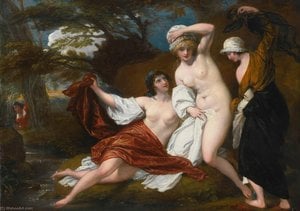
L'Allegro

Discover 'L’Allegro' by William Edward Frost – a captivating Romantic oil painting of joyful dance & idyllic beauty. Explore its classical style, dramatic lighting & rich colors.

Explore Victorian painter William Edward Frost's captivating nude portraits! Known for his jewel-like charm & popularity, he was a pioneer of British art.

オンラインプレビューをはるかに凌ぐ、高解像度で鮮明なデジタル画像をご購入いただけます。

各ファイルは、社内の専門家が高度なツールと熟練した手作業によるレタッチを用いて、細心の注意を払って準備されています。すべての画像において、卓越した鮮明度、正確な色彩再現性、そして繊細なディテールを保証いたします。

最終ファイルは、プロフェッショナルな編集・印刷環境ですぐにご利用いただけるよう最適化された状態で、72時間以内にメールにてお届けいたします。これは、一流のデザインスタジオ、出版社、ギャラリーから信頼されているものと同等の品質です。

デジタルアート

個人での鑑賞、印刷、クリエイティブなプロジェクト用に、高解像度ファイルをダウンロードできます。 ( プリント版に切り替え 手描きの絵画を購入)

最終合計金額

$ 24.90

デジタル画像のご注文に付随する特典

高品質なデジタル画像配信を、確かな品質で。

WahooArt.com を選ぶことは、単に画像を手に入れることではありません。それは、プロの手によって精密に仕上げられ、満足保証が付いた高品質なデジタルアートワークを受け取ることを意味します。ご注文いただいた際に自動的に付随する内容は、以下の通りです:

shipping_icon
メールですぐにお届け

ご注文から72時間以内に、高解像度のデジタル画像ファイルがメールでお手元に届きます。すぐにそのままご利用いただけます。

canvas_icon
AI技術で最適化されたデジタルファイル

お客様の作品は、高度なAIツールと専門家による手作業の編集を組み合わせてプロフェッショナルに最適化されており、細部のディテール、鮮明さ、そして正確な色再現性を最大限に引き出しています。

insurance_icon
一生涯無料の再送サービス

ファイルを誤って削除したり、紛失してしまったりしましたか?ご安心ください。いつでも無料で再送いたします。

tax_icon
輸入手数料は一切かかりません

関税や手数料、配送料を気にすることなく、お気に入りのアートワークをすぐにお楽しみいただけます。デジタルダウンロードは常に免税です。

color_icon
色彩再現の保証

プロ仕様のツールとカラーマネジメント技術を用いることで、デジタル画像が元の色を最大限に忠実に再現することを保証いたします。

return_icon
100日間満足保証

ご購入いただいたデジタル画像にご満足いただけない場合は、100日以内であれば、理由を問わず修正または100%の返金対応をさせていただきます。

guarantee_icon
100% 返金保証

ご満足いただけない場合は、デジタルファイルを受け取ってから100日以内であれば、理由を問わず全額返金いたします。

discount_icon
まとめ買い割引

3枚購入で10%OFF - 5枚購入で15%OFF - 10枚以上購入で20%OFF。クリエイティブなプロジェクト、ギャラリー、エージェンシーに最適です。

作品詳細

  • Notable elements or techniques: Dramatic lighting and atmospheric perspective
  • Artist: William Edward Frost
  • Title: L'Allegro
  • Movement: Romanticism
  • Medium: Oil paints on canvas
  • Dimensions: 97 x 71 cm

A Symphony of Joy: The Radiant World of L'Allegro

In the golden light of a mid-Victorian afternoon, William Edward Frost invites us into a realm where time seems to suspend itself in a moment of pure, unadulterated bliss. L'Allegro is not merely a painting; it is an evocative escape into a pastoral dreamscape, capturing the essence of celebration and the timeless beauty of the human form. As three nude women engage in a rhythmic, joyful dance, the viewer is drawn into a scene that breathes with life and vitality. The composition, masterfully arranged in a pyramidal structure, directs the eye toward the central figure, whose movement serves as the heartbeat of the piece. Set against a backdrop of soft, undulating hills and a hazy, atmospheric horizon, the artwork evokes a sense of eternal summer, making it an exquisite centerpiece for any collection seeking to infuse a space with warmth and classical elegance.

The technical mastery displayed in this work reflects Frost’s profound command over the Romantic and Neoclassical traditions. Utilizing oil on canvas, the artist employs a meticulous layering technique that lends a luminous, almost ethereal glow to the skin tones of the dancers. The lighting is nothing short of dramatic; an unseen light source from the upper left casts brilliant highlights across the curves of the figures, creating deep, velvety shadows that lend a sculptural weight to their forms. This interplay of light and shadow—the chiaroscuro effect—enhances the three-dimensional presence of the subjects, making them appear to emerge from the canvas itself. The color palette is a rich tapestry of warm ochres, terracottas, and golds, which provides a stunning contrast to the cool, receding blues and greens of the distant landscape, creating a profound sense of depth and atmospheric perspective.

Symbolism and the Spirit of the Victorian Era

Beyond its aesthetic splendor, L'Allegro carries deep symbolic resonance. The title itself, suggesting a state of "merriment" or "mirth," sets the stage for an exploration of themes involving fertility, nature, and the celebration of life. The presence of the tambourine held by one of the women serves as a subtle nod to ritualistic music and the ancient connection between dance and communal joy. In an era often characterized by rigid social decorum and increasing Victorian prudery, Frost’s decision to depict the female nude with such grace and idealized beauty was both a daring artistic statement and a profound tribute to the natural world. He captures a sense of innocence and freedom that transcends his historical moment.

For the discerning collector or interior designer, this reproduction offers more than just visual appeal; it offers an emotional atmosphere. The flowing lines of the drapery and the organic shapes of the landscape work in harmony to create a sense of tranquility and movement. Whether placed in a grand salon to serve as a conversation piece or in a quiet study to provide a window into a romanticized past, L'Allegro brings with it an aura of sophisticated charm. It is a piece that celebrates the triumph of light over shadow and the enduring power of beauty to inspire the human spirit.


作家の略歴

A Pioneer of the Victorian Nude: The Life and Art of William Edward Frost

William Edward Frost, a name perhaps less immediately recognizable than some of his contemporaries, occupies a fascinatingly unique position within the landscape of 19th-century British art. Born in the United Kingdom in 1810, Frost distinguished himself as one of the very few English artists during the mid-Victorian period to dedicate a significant portion of his oeuvre to the portrayal of the female nude – a daring choice given the era’s prevailing social and moral climate. His career unfolded against a backdrop of increasing prudery, yet he managed not only to navigate these sensitivities but also to achieve considerable success and recognition for his work.

Early Training and Artistic Development

Frost's artistic journey began with formal education at the schools of the Royal Academy in 1829. This foundational training provided him with a solid grounding in academic principles, initially directing his talents towards portraiture. He quickly established himself as a capable portrait painter, but it wasn’t long before he broadened his scope to encompass historical and mythological subjects. This shift proved pivotal, leading him into the captivating realm of fairy painting – a genre that resonated deeply with Victorian sensibilities, offering an avenue for imaginative storytelling and often veiled allegorical commentary. The year 1839 marked a significant milestone when Frost was awarded the Royal Academy’s gold medal for his ambitious work, Prometheus Bound. This achievement signaled his growing mastery of composition and narrative, demonstrating a clear understanding of classical themes and their dramatic potential. Further recognition followed in 1843 with a prize-winning entry at Westminster Hall competition for Una Alarmed by Fauns, a scene drawn from Edmund Spenser’s epic poem, The Faerie Queene. This work showcased his ability to capture moments of delicate tension and ethereal beauty.

Following in Etty's Footsteps: A Unique Victorian Sensibility

Frost is widely acknowledged as a follower of William Etty, the preeminent British painter of nudes in the first half of the 19th century. However, while deeply influenced by Etty’s technical prowess and anatomical precision, Frost developed his own distinctive style. Etty's figures often possessed a robust physicality, reflecting a fascination with the power and sensuality of the human form. In contrast, Frost’s nudes are characterized by a more refined and jewel-like quality. His young models exude a pert, self-conscious charm – an intriguing blend of vulnerability and awareness that arguably makes them *more* captivating than their predecessors. This subtle titillation, carefully balanced with artistic grace, proved remarkably popular amongst Victorian audiences who were simultaneously drawn to and repelled by the depiction of the nude form.

Recognition and Legacy

Frost’s ascent within the art world was steady and well-deserved. He was elected an associate member of the Royal Academy in 1846, a testament to his growing reputation amongst his peers. This culminated in his full membership in 1870 – a prestigious honor that solidified his position as a leading figure in British art. Despite the societal constraints of the Victorian era, Frost’s career was financially successful, indicating a strong demand for his work. His paintings were not merely tolerated; they were actively sought after by collectors who appreciated their aesthetic beauty and skillful execution. While he may not be as widely celebrated today as some of his more overtly dramatic contemporaries, William Edward Frost remains an important figure in the history of British art – a pioneer who dared to explore the human form with sensitivity and grace, leaving behind a legacy of captivating nude portraits that continue to intrigue and delight.
william edward frost

william edward frost

1810 - 1877 , United Kingdom

プロフィール概要

  • Artistic Movement Or Style: Victorian Art
  • Artists Or Movements Influenced By This Artist: ['Romanticism']
  • Artists Who Influenced This Artist: ['William Etty']
  • Date Of Birth: 1810
  • Date Of Death: 1877
  • Full Name: William Edward Frost
  • Nationality: British
  • Notable Artworks:
    • Prometheus Bound
    • Una Alarmed Fauns
  • Place Of Birth: United Kingdom