
x


 キャンバスに油彩ウォールアートBaroque
 1611
1611 249.0 x 296.0 cm
 ウォールラフ・リヒャルトス美術館




























作品のオリジナル比率に合わせた、当店の規定サイズからお選びください。

特定のフレームやスペースに合わせて、ご希望のサイズをご入力いただけます。選択されたサイズが元の画像の比率と異なる場合、アートワークをトリミングするか、手描きで要素を追加して絵画を拡張いたします。デジタルモックアップ を制作し、制作開始前にご確認(承認)をいただきます。
画面上のプレビューは、実際のトリミングや拡張を正確に反映しているものではありません。最終的な構図は、モックアップによってのみ正確にご確認いただけます。
カスタムサイズもご利用いただけますが、元の比率を維持するためには、あらかじめ用意されたリストからサイズを選択することをお勧めいたします。

Juno and Argus
複製画のサイズ
Peter Paul Rubens, a titan of the Flemish Baroque, possessed an unparalleled ability to infuse his paintings with dynamism, sensuality, and profound erudition. Among his vast oeuvre, “Juno and Argus” (c. 1611), currently residing in the Wallraf-Richartz Museum in Cologne, stands as a particularly compelling example of his mastery. This monumental work transcends mere mythological depiction; it’s a carefully constructed narrative brimming with symbolism, dramatic tension, and an exquisite demonstration of Rubens's technical prowess.
The scene unfolds within a richly detailed interior setting, dominated by the imposing figure of Juno, Roman goddess of marriage and childbirth. She is depicted in regal splendor, clad in deep reds and blacks – colors traditionally associated with power, authority, and divine presence. Her outstretched hand, poised over the decapitated body of Argus, embodies both command and a chilling sense of purpose. Argus, once famed for his hundred eyes, now lies lifeless, his glowing remnants being meticulously gathered by Juno to adorn the tail feathers of a magnificent peacock – an image laden with potent symbolism relating to vigilance, perception, and ultimately, vanity. The presence of the peacock itself is crucial; it represents Juno’s own pride and her relentless pursuit of maintaining order and control.
Rubens's compositional genius is immediately apparent in “Juno and Argus.” He masterfully employs a pyramidal structure, anchoring the scene with Argus’s body and culminating in Juno’s commanding form. The figures are arranged not as static representations but as active participants within a dramatic unfolding event. The use of *tenebrism*, a technique borrowed from Caravaggio, creates a powerful contrast between light and shadow, intensifying the emotional impact of the scene. Notice how the light dramatically illuminates Juno's face and hands, drawing the viewer’s eye to her decisive gesture while simultaneously shrouding Argus’s body in darkness – emphasizing his demise and the severity of Juno’s action.
Rubens’s technical skill is equally impressive. He demonstrates a remarkable understanding of color theory, utilizing a vibrant palette dominated by rich blues, yellows, and reds to create a sense of opulence and drama. The textures are meticulously rendered – from the smooth flesh tones of the figures to the intricate detail of the peacock's plumage – showcasing Rubens’s ability to capture both form and surface with breathtaking realism. The subtle gradations of color and light contribute significantly to the painting’s overall luminosity and depth.
“Juno and Argus” is based on a pivotal episode from Ovid's *Metamorphoses*, where Juno, consumed by jealousy of Jupiter’s affections for Io, orchestrates the murder of Argus, who was tasked with guarding the nymph. The story itself speaks to themes of love, betrayal, and the destructive power of unchecked ambition. Rubens doesn’t simply depict this narrative; he imbues it with a profound sense of psychological drama. Juno's expression is not one of simple triumph but rather a complex mixture of determination, ruthlessness, and perhaps even a hint of regret.
Beyond the immediate story, the painting is rich in symbolic meaning. The hundred eyes of Argus represent vigilance and constant observation – qualities that are ultimately rendered futile against Juno’s power. The peacock's tail feathers, adorned with Argus’s eyes, symbolize vanity and the fleeting nature of beauty and perception. The rainbow in the background serves as a visual metaphor for divine intervention and the interconnectedness of the mortal and celestial realms.
“Juno and Argus” is more than just a mythological scene; it’s a masterful demonstration of Rubens's artistic vision. It embodies the key characteristics of the Baroque style – dramatic lighting, dynamic composition, intense emotion, and an erudite engagement with classical mythology. Rubens’s ability to seamlessly blend technical virtuosity with profound symbolic meaning ensures that “Juno and Argus” continues to captivate viewers centuries after its creation. For those seeking a window into the heart of the Baroque era, or for collectors desiring a stunning reproduction of this iconic masterpiece, WahooArt offers meticulously crafted oil painting reproductions that faithfully capture the essence and beauty of Rubens’s original work.

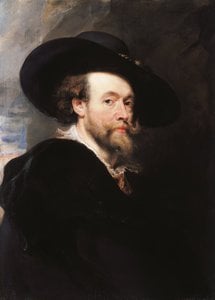
1577 - 1640 , ドイツ

Explore the dramatic brilliance of the Flemish Baroque movement. Discover how masters like Peter Paul Rubens utilized chiaroscuro and dynamic composition to redefine art history through light, shadow, and unparalleled emotion.

Explore the breathtaking drama of the Baroque era. From the mastery of chiaroscuro to epic mythological narratives, discover a definitive guide to art's most powerful period of light, shadow, and emotion for the true classical art enthusiast.

Embark on a sophisticated journey through the eternal allure of mythological art. Discover how master painters breathe life into ancient legends, from Greek deities to Baroque masterpieces, and learn to curate these timeless narratives within your own exquisite art collection.


最新の美術ニュース、限定オファー、そしてインテリアのアイデアをいち早くお届けします。
お客様のプロジェクトについてお聞かせください。当社の美術専門家が、お客様に合わせた3つのパーソナライズされた芸術提案をご提供いたします。
あなたにぴったりの3作品を無料で厳選いたします


 プレビュー
プレビュー
 プリントを購入
 シェアする
シェアする シェアする
シェアする
 詳細を見る
詳細を見る

 ダウンロード
 似ている作品
 X線調査
X線調査 スライドショー
 詳細を見る
詳細を見る









 ガラスオプションは、110cm未満のサイズでのみご利用いただけます。


