スピーディーな制作と多彩な仕上げオプションが魅力の、ミュージアムクオリティなジークレー・キャンバスプリント。 ( 手描き複製画を注文する デジタル画像販売へ切り替え)





























作品のオリジナル比率に合わせた、当店の規定サイズからお選びください。

額縁や壁のスペースに合わせて、ご希望の幅と高さを入力してください。プリントはカットすることは可能ですが、元の画像より大きくすることはできないため、異なる比率のサイズを選択された場合は、画像の一部が欠けることになります。印刷を開始する前に、内容を確認していただくためのデジタルモックアップをお送りいたします。このページに表示されている画像は、実際のカット後の状態を示すものではありません。実際の仕上がりはモックアップにてご確認ください。
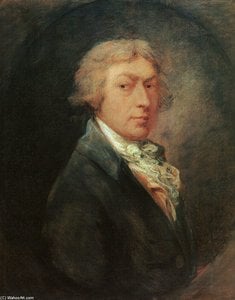
Self portrait
複製画サイズ一覧
The year is 1754. Thomas Gainsborough, a young artist hailing from the quiet Suffolk market town of Sudbury, stands before his easel, meticulously rendering himself in oil on canvas. This self-portrait isn’t merely a likeness; it's a carefully constructed statement – a glimpse into the mind and ambitions of a rising star within the burgeoning world of British art. Measuring 58 x 49 cm, the painting immediately draws the viewer in with its restrained elegance and the palpable sense of quiet confidence emanating from Gainsborough’s gaze. It is a quintessential example of his skill, reflecting the Rococo style's emphasis on beauty, grace, and refinement – qualities that would define much of his subsequent work.
Gainsborough’s self-portrait speaks volumes about the artistic conventions of his time. The portraiture genre was experiencing a golden age, particularly within the Royal Academy, where Gainsborough eventually gained recognition. However, this is not simply a formal representation; it's infused with a subtle introspection. Dressed in the fashionable attire of the period – a dark suit and tie – he presents himself as both a professional artist and a man of discerning taste. The serious expression, far from being stern, conveys an air of quiet self-assurance and intellectual curiosity, hallmarks of the Enlightenment era.
The painting’s composition is carefully balanced, drawing the eye to Gainsborough's face while subtly incorporating elements of his studio – a suggestion of landscape sketches hinting at his broader artistic interests. The use of light and shadow, a hallmark of the Rococo style, adds depth and volume, enhancing the subject’s features and creating a sense of three-dimensionality.
Gainsborough’s mastery is evident in his meticulous technique. The delicate brushstrokes create a smooth surface texture, while subtle variations in color and tone contribute to the painting’s overall luminosity. He skillfully employs glazing techniques – applying thin layers of translucent oil paint over dried underlayers – to build up depth and richness of color. The attention to detail, particularly in rendering the fabric of his clothing and the textures of his hair, demonstrates a profound understanding of materials and their effects.
The canvas itself, primed with a suitable ground for oil paints, provides an ideal surface for Gainsborough’s expressive strokes. The choice of dark colors – predominantly browns, blacks, and grays – contributes to the painting's somber yet dignified tone, reflecting the artist’s serious demeanor.
Beyond its technical brilliance, the self-portrait carries symbolic weight. It represents Gainsborough’s ambition, his dedication to his craft, and his desire to establish himself as a leading figure in British art. The painting is not just a portrait; it's an assertion of identity – a declaration that this was the man behind the brush, a man driven by passion and a commitment to artistic excellence. It stands as a testament to Gainsborough’s enduring legacy, influencing generations of artists who followed.
「Self portrait」はトーマス・ゲインズバラによるRococo Styleの作品であり、その描かれたテーマにはrococo elegance, societal norms, british art legacy, trends, portraiture’s valued genre”, “gainsborough’s professional demeanor”, self-portrait showcase, masteryが含まれます。
トーマス・ゲインズバラ作「Self portrait」は、Balancedな色彩の強さを備えています。
原画のトーマス・ゲインズバラ作「Self portrait」は、サイズ58 x 49 cmのOil On Canvasによる作品です。技法およびサイズは原画の仕様を表しています。


1727 - 1788 , イギリス

Unlock your creative potential with WahooArt. Learn how to scale your art business through our automated print and premium oil reproduction services, transforming your original works into a global, passive income stream without compromising academic excellence.

Discover the enduring allure of oil on canvas. Explore how master techniques like impasto and glazing create the depth, texture, and emotional resonance found in the world's greatest masterpieces. An essential guide for fine art enthusiasts and discerning collectors.

Discover the profound allure of oil on canvas. Explore the mastery of impasto textures, the science of pigment longevity, and expert guides to selecting museum-quality reproductions that elevate your collection with timeless elegance and tactile depth.
 設置イメージを表示
 シェアする
シェアする シェアする
シェアする
 詳細を見る
詳細を見る ガイドを表示

 ダウンロード
 似ている作品
 X線調査
X線調査 スライドショーを表示
 Q&A
Q&A
 統計情報
統計情報

 詳細を表示
詳細を表示









 ガラスオプションは、110cm未満のサイズでのみご利用いただけます。