当社のアーティストが、お客様のご希望のサイズと額縁に合わせて、キャンバスに手描きで制作する油彩画です。 ( プリント版に切り替え
デジタル画像販売へ切り替え)
作品のオリジナル比率に合わせた、当店の規定サイズからお選びください。
特定のフレームやスペースに合わせて、ご希望のサイズをご入力いただけます。選択されたサイズが元の画像の比率と異なる場合、アートワークをトリミングするか、手描きで要素を追加して絵画を拡張いたします。デジタルモックアップ を制作し、制作開始前にご確認(承認)をいただきます。
画面上のプレビューは、実際のトリミングや拡張を正確に反映しているものではありません。最終的な構図は、モックアップによってのみ正確にご確認いただけます。
カスタムサイズもご利用いただけますが、元の比率を維持するためには、あらかじめ用意されたリストからサイズを選択することをお勧めいたします。
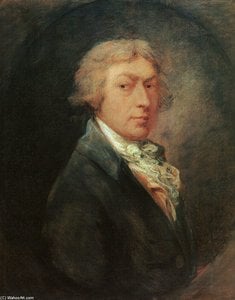
Self portrait
複製画のサイズ
The year is 1754. Thomas Gainsborough, a young artist hailing from the quiet Suffolk market town of Sudbury, stands before his easel, meticulously rendering himself in oil on canvas. This self-portrait isn’t merely a likeness; it's a carefully constructed statement – a glimpse into the mind and ambitions of a rising star within the burgeoning world of British art. Measuring 58 x 49 cm, the painting immediately draws the viewer in with its restrained elegance and the palpable sense of quiet confidence emanating from Gainsborough’s gaze. It is a quintessential example of his skill, reflecting the Rococo style's emphasis on beauty, grace, and refinement – qualities that would define much of his subsequent work.
Gainsborough’s self-portrait speaks volumes about the artistic conventions of his time. The portraiture genre was experiencing a golden age, particularly within the Royal Academy, where Gainsborough eventually gained recognition. However, this is not simply a formal representation; it's infused with a subtle introspection. Dressed in the fashionable attire of the period – a dark suit and tie – he presents himself as both a professional artist and a man of discerning taste. The serious expression, far from being stern, conveys an air of quiet self-assurance and intellectual curiosity, hallmarks of the Enlightenment era.
The painting’s composition is carefully balanced, drawing the eye to Gainsborough's face while subtly incorporating elements of his studio – a suggestion of landscape sketches hinting at his broader artistic interests. The use of light and shadow, a hallmark of the Rococo style, adds depth and volume, enhancing the subject’s features and creating a sense of three-dimensionality.
Gainsborough’s mastery is evident in his meticulous technique. The delicate brushstrokes create a smooth surface texture, while subtle variations in color and tone contribute to the painting’s overall luminosity. He skillfully employs glazing techniques – applying thin layers of translucent oil paint over dried underlayers – to build up depth and richness of color. The attention to detail, particularly in rendering the fabric of his clothing and the textures of his hair, demonstrates a profound understanding of materials and their effects.
The canvas itself, primed with a suitable ground for oil paints, provides an ideal surface for Gainsborough’s expressive strokes. The choice of dark colors – predominantly browns, blacks, and grays – contributes to the painting's somber yet dignified tone, reflecting the artist’s serious demeanor.
Beyond its technical brilliance, the self-portrait carries symbolic weight. It represents Gainsborough’s ambition, his dedication to his craft, and his desire to establish himself as a leading figure in British art. The painting is not just a portrait; it's an assertion of identity – a declaration that this was the man behind the brush, a man driven by passion and a commitment to artistic excellence. It stands as a testament to Gainsborough’s enduring legacy, influencing generations of artists who followed.
1727 - 1788 , イギリス