このページに掲載されている作品は著作権法によって保護されており、当社の許可なく同一の複製物を制作または販売することは法律で禁じられています。この保護は、以下のような国際条約に基づき執行されます。 ベルヌ条約 および、以下の条項に定められたものを含む各国の法律により、 米国著作権法 第17編。
この手法は、著作権で保護された作品の複製や複写を伴わないため、著作権法に完全に準拠しています。これは単なる模倣ではなく、創造的な再解釈です。元の作品からインスピレーションを受けつつも、それとは異なる、全く新しい絵画を生み出すものです。
スピーディーな制作と多彩な仕上げオプションが魅力の、ミュージアムクオリティなジークレー・キャンバスプリント。 ( 手描きの複製画を注文する デジタル画像販売へ切り替え)





























作品のオリジナル比率に合わせた、当店の規定サイズからお選びください。

額縁や壁のスペースに合わせて、ご希望の幅と高さを入力してください。プリントはカットすることは可能ですが、元の画像より大きくすることはできないため、異なる比率のサイズを選択された場合は、画像の一部が欠けることになります。印刷を開始する前に、内容を確認していただくためのデジタルモックアップをお送りいたします。このページに表示されている画像は、実際のカット後の状態を示すものではありません。実際の仕上がりはモックアップにてご確認ください。
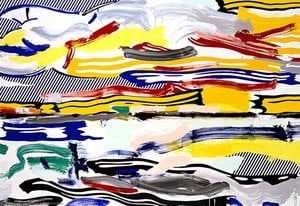
Sunrise
複製画サイズ一覧
Roy Fox Lichtenstein, born in Manhattan in 1923, wasn’t merely an artist; he was a provocateur, a cultural commentator who seized upon the burgeoning energy of post-war America and transformed it into a visual language. His early fascination with realistic drawing and painting, nurtured by museum visits and a deep appreciation for jazz music – experiences deeply rooted in his upbringing – ultimately paved the way for his groundbreaking embrace of Pop Art. Lichtenstein’s journey wasn't about replicating reality; it was about interrogating its representation, particularly through the lens of advertising, comic books, and mass-produced imagery. This deliberate shift marked a pivotal moment in art history, challenging traditional notions of fine art and establishing a new dialogue between high culture and popular consumption.
His formal training at the Art Students League under Reginald Marsh, followed by brief service during World War II, provided crucial experiences that shaped his artistic approach. However, it was his return to New York City after the war, coupled with the influence of Allan Kaprow’s experimental theater and a renewed interest in proto-Pop imagery, that truly ignited Lichtenstein's creative fire. This period saw him experimenting with abstraction before ultimately settling on his signature style – a bold, graphic aesthetic that would forever alter the landscape of American art.
“Sunrise,” painted in 1965, is a quintessential example of Lichtenstein’s Pop Art philosophy. The painting immediately commands attention with its vibrant, almost aggressively bright yellow background – a color typically associated with advertising and commercial signage. This deliberate choice establishes an immediate connection to the consumer culture that would become central to his artistic exploration. Scattered across this luminous field are stylized clouds, rendered in varying shades of blue and gray, creating a sense of depth and atmospheric perspective, albeit achieved through simplified geometric forms.
At the heart of the composition lies a large, bold red circle – the sun itself. This isn’t a realistic depiction; rather, it's an iconic symbol, instantly recognizable as a motif borrowed from comic books and advertising. The stark contrast between the yellow background and the crimson sun creates a powerful visual impact, drawing the viewer’s eye directly to this central element. The clouds are strategically positioned, not to mimic natural forms but to serve as framing devices, further emphasizing the dominance of the radiant sun.
Lichtenstein's technique is instantly recognizable through his masterful use of Ben-Day dots – small, colored circles that simulate the halftone printing process used in commercial illustrations. This technique, borrowed directly from comic books and advertising, creates a textured surface and an illusion of depth within the painting. The dots aren’t simply applied randomly; they are meticulously arranged to suggest shading and form, contributing significantly to the overall visual impact. The careful placement of these tiny dots transforms what could have been a flat, two-dimensional image into something remarkably tactile and engaging.
This deliberate mimicry of commercial printing techniques wasn’t merely stylistic; it was a commentary on the way images were produced and consumed in mass culture. By employing this technique, Lichtenstein elevated everyday imagery to the level of fine art, prompting viewers to reconsider their relationship with advertising and popular media.
"Sunrise" is more than just a depiction of a natural phenomenon; it’s an exploration of beauty within the context of modern life. The painting evokes a sense of optimism and energy, mirroring the vibrant spirit of the 1960s. Despite its reliance on commercial imagery, there's a surprising elegance to Lichtenstein’s composition – a testament to his artistic skill and his ability to transform the mundane into something visually compelling. The bold colors, simplified forms, and iconic motifs create an image that is both instantly recognizable and deeply evocative, inviting viewers to contemplate the beauty and complexity of the world around them.
ロイ・リヒテンシュタイン作「Sunrise」のX線解析ページは、X線写真のような表示を含む、作品画像の11層にわたる光学レイヤーをスライドして閲覧できるインタラクティブ・ビューアです。
「Sunrise」は、Largeのプリントサイズでの印刷をおすすめします。他のサイズについても、同じ比率でご利用いただけます。
ロイ・リヒテンシュタイン作「Sunrise」の推奨される用途はAccentです。もちろん、それ以外の用途でもお楽しみいただけます。

1923 - 1997 , アメリカ合衆国

Explore the profound psychological depth of Roy Lichtenstein's color theory. An expert analysis for art collectors on how bold palettes and Ben-Day dots redefine modern aesthetics and luxury interior curation.

Explore the industrial artistry of Pop Art. Delve into the sophisticated history of Ben-Day dots and silk screen techniques that transformed mass media into high art, perfect for discerning collectors seeking deep historical insight and aesthetic excellence.

Explore the profound impact of Pop Art on modern aesthetics. From Warhol’s icons to Lichtenstein's bold dots, discover how mass media redefined the masterpiece and continues to inspire sophisticated art collectors and contemporary interior design.

Explore the profound impact of the Pop Art Revolution on modern aesthetics. From Lichtenstein’s dots to Warhol’s icons, gain expert insights into how this vibrant movement redefined culture through consumerism and mass media. A definitive guide for art lovers and collectors.

Dive into the vibrant world of Ben-Day dots. Explore how Roy Lichtenstein transformed mass media imagery into high art, redefining modern aesthetics through the iconic textures of Pop Art and its enduring impact on contemporary visual culture.

 設置イメージを確認
 送る
送る シェア
シェア
 詳細情報
詳細情報 ガイドを表示

 画像をダウンロード
 似ている作品
 X線調査
X線調査 スライドショー
 統計情報
統計情報

 続きを読む
続きを読む









 ガラスオプションは、110cm未満のサイズでのみご利用いただけます。