
当社のアーティストが、お客様のご希望のサイズと額縁に合わせて、キャンバスに手描きで制作する油彩画です。 ( プリント版に切り替え デジタル画像販売へ切り替え)





























作品のオリジナル比率に合わせた、当店の規定サイズからお選びください。

特定のフレームやスペースに合わせて、ご希望のサイズをご入力いただけます。選択されたサイズが元の画像の比率と異なる場合、アートワークをトリミングするか、手描きで要素を追加して絵画を拡張いたします。デジタルモックアップ を制作し、制作開始前にご確認(承認)をいただきます。
画面上のプレビューは、実際のトリミングや拡張を正確に反映しているものではありません。最終的な構図は、モックアップによってのみ正確にご確認いただけます。
カスタムサイズもご利用いただけますが、元の比率を維持するためには、あらかじめ用意されたリストからサイズを選択することをお勧めいたします。

Naked
複製画のサイズ
In the quietude of a private chamber, Raoul Dufy captures a profound moment of vulnerability and self-reflection in his 1928 masterpiece, Naked. The painting presents a solitary woman, her form central to the composition, caught in a gesture of deep introspection with her hands resting upon her head. This pose, while suggesting a sense of exposure, also conveys a powerful inward focus, as if she is momentarily retreating from the external world into the sanctuary of her own thoughts. The room around her is not merely a backdrop but a lived-in landscape; scattered books, a delicate vase, and the silhouette of a chair breathe life into the space, suggesting a life of intellect and quiet domesticity. Through this intimate scene, Dufy invites the viewer to step into a private realm where the boundaries between the physical body and the surrounding atmosphere begin to blur.
The technique employed in Naked is a testament to Dufy’s unique ability to marry the structural elements of composition with a fluid, almost rhythmic application of color. While his later works became even more celebrated for their spontaneous, "calligraphic" brushstrokes, this piece from the late 1920s showcases a masterful balance of form and light. The artist utilizes a palette that feels both grounded and luminous, allowing the skin tones of the subject to harmonize with the various objects in her environment. There is a rhythmic quality to how the books and decor are placed throughout the frame, guiding the eye in a gentle dance from the upper corners down to the lower periphery. This careful arrangement creates a sense of equilibrium, ensuring that despite the scattered nature of the room's contents, the composition feels unified and intentional.
To understand the emotional resonance of this work, one must consider Dufy’s place within the vibrant tapestry of early 20th-century French art. Emerging from the influences of Impressionism and the luminous landscapes of Monet, Dufy developed a style that prioritized joie de vivre—a joy of living. In Naked, this joy is not expressed through exuberant movement, but through the poetic beauty of light and the celebration of a quiet, aesthetic existence. The painting serves as a bridge between the classical study of the human form and the modern fascination with atmosphere and color. For the collector or interior designer, this piece offers more than just visual appeal; it provides an emotional anchor of serenity and sophistication.
Integrating a high-quality reproduction of such a significant work into a contemporary space can transform the very character of a room. The soft interplay of light and the nostalgic charm of the 1920s setting make it an ideal centerpiece for a study, a bedroom, or a curated gallery wall. It speaks to a refined taste that appreciates the nuances of art history and the enduring power of the human spirit. As a piece of decor, Naked brings a sense of timeless elegance, acting as a window into a bygone era of French modernism where every brushstroke was an exploration of light, color, and the profound beauty found in life's most private moments.


1877 - 1953 , 日本
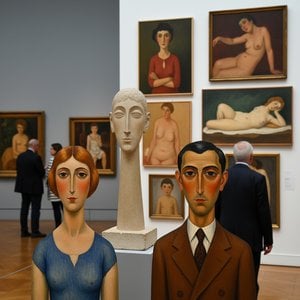
モディリアーニの傑作25選。魂を揺さぶる肖像画、ヌード、パリ派絵画の世界へ。WahooArtで高品質な美術品複製やインテリアアートをお楽しみください。アメデオ・モディリアーニの芸術をご堪能あれ。今すぐコレクションをご覧ください。

Explore the captivating history of nude art! Discover iconic paintings & artists from classical to modern eras. Uncover symbolism, techniques & find museum-quality reproductions at WahooArt.

Discover the captivating world of Jean-Édouard Vuillard, a key figure of the Nabis movement. Explore his intimate interiors, unique style & lasting influence on modern art. Learn more at WahooArt.

抽象表現主義がクラシックインテリアに与える影響を解説。色彩心理学や空間への効果、著名なアーティストの作品を紹介します。WahooArt.comで理想のアートピースを見つけ、洗練された空間を実現しましょう。

Explore the evolution of domestic life in Western art from the Renaissance to Impressionism. Discover symbolism, realism & artistic techniques shaping intimate interior scenes. Learn more with WahooArt.


 プレビュー
プレビュー
 シェアする
シェアする シェアする
シェアする
 詳細を見る
詳細を見る

 ダウンロード
 似ている作品
 X線調査
X線調査 スライドショー
 統計情報
統計情報


 詳細を見る
詳細を見る









 ガラスオプションは、110cm未満のサイズでのみご利用いただけます。


