
当社のアーティストが、お客様のご希望のサイズと額縁に合わせて、キャンバスに手描きで制作する油彩画です。 ( プリント版に切り替え デジタル画像販売へ切り替え)





























作品のオリジナル比率に合わせた、当店の規定サイズからお選びください。

特定のフレームやスペースに合わせて、ご希望のサイズをご入力いただけます。選択されたサイズが元の画像の比率と異なる場合、アートワークをトリミングするか、手描きで要素を追加して絵画を拡張いたします。デジタルモックアップ を制作し、制作開始前にご確認(承認)をいただきます。
画面上のプレビューは、実際のトリミングや拡張を正確に反映しているものではありません。最終的な構図は、モックアップによってのみ正確にご確認いただけます。
カスタムサイズもご利用いただけますが、元の比率を維持するためには、あらかじめ用意されたリストからサイズを選択することをお勧めいたします。

The Artist and his model
複製画のサイズ
Henri Matisse's "The Artist and His Model," painted in 1919, is more than just a depiction of a studio scene; it’s a vibrant exploration of the creative process itself. This captivating work, firmly rooted within the Fauvist movement, offers a glimpse into Matisse’s world – a space where art, leisure, and the human form intertwine with an almost intoxicating energy. The painting immediately draws the eye with its audacious use of color, a hallmark of Matisse's signature style, and its dynamic composition that seems to pulse with life. It’s a testament to his ability to distill complex ideas into deceptively simple forms, inviting viewers to contemplate not just what they see, but how it *feels*.
At the heart of the scene is a woman, seated comfortably on a couch – a model for the artist himself. Her pose, deliberately relaxed and open, suggests an intimacy both artistic and personal. The arrangement of objects around her—vases overflowing with flowers, a bowl resting on a table, and potted plants adding splashes of green—creates a carefully curated environment, almost like a still life infused with human presence. These elements aren’t merely decorative; they contribute to the painting's overall sense of abundance and pleasure, reflecting Matisse’s own philosophy of art as a source of joy and beauty.
“The Artist and His Model” is a quintessential example of Fauvist painting. Emerging in France around 1905, this movement rejected the muted tones and realistic depictions of Impressionism in favor of intense, non-naturalistic colors. Matisse, along with André Derain and Maurice de Vlaminck, embraced this radical approach, using color not to represent reality but to express emotion and create a visual impact. In this painting, the vibrant reds, blues, yellows, and greens are applied with broad, confident brushstrokes—a deliberate departure from the subtle gradations of earlier styles. These bold colors aren’t simply decorative; they vibrate with energy, mirroring the dynamism of the scene and conveying a sense of excitement and spontaneity.
Matisse's technique is equally noteworthy. He employs loose, gestural brushstrokes that seem to dance across the canvas, creating a sense of movement and immediacy. The forms are simplified and flattened, reducing detail and emphasizing color and shape. This simplification isn’t an abandonment of observation; rather, it’s a conscious choice to distill the essence of the scene, focusing on its most vital elements. The artist's hand is visible in these strokes, adding a layer of intimacy and immediacy to the work.
To fully appreciate “The Artist and His Model,” it’s essential to understand its place within the broader context of art history. The painting emerged during a period of profound artistic transformation, following the legacy of Post-Impressionism. Artists like Paul Cézanne, Vincent van Gogh, and Paul Gauguin had challenged traditional notions of representation, paving the way for new approaches to color, form, and composition. Matisse built upon this foundation, pushing the boundaries of Fauvism even further, creating a style that was both intensely personal and profoundly influential.
The painting’s creation coincided with a time of social and political upheaval—the aftermath of World War I. While not overtly political, “The Artist and His Model” can be interpreted as a celebration of beauty and creativity in the face of adversity. Matisse's focus on pleasure and sensory experience offered a counterpoint to the horrors of war, suggesting that art could provide solace and inspiration.
Beyond its formal qualities, “The Artist and His Model” is rich in symbolism. The artist’s pose—holding a paintbrush and gazing at his model—suggests a creative dialogue between the two figures. It's a moment of collaboration, where art is born through observation and interaction. The woman’s relaxed posture and open gaze invite viewers to share in this intimate scene, fostering a sense of connection and empathy. The inclusion of flowers and plants further reinforces the theme of beauty and growth, hinting at the potential for creativity to flourish.
Ultimately, “The Artist and His Model” is a testament to Matisse’s genius—a vibrant, emotionally resonant painting that captures the essence of artistic creation. Its bold colors, dynamic composition, and intimate subject matter continue to captivate viewers today, reminding us of the power of art to inspire joy, wonder, and contemplation.


1869 - 1954 , フランス

Explore the vibrant world of Fauvism with our expert guide. Discover how Matisse and Derain revolutionized art through bold colors and expressive strokes. Perfect for classic art enthusiasts seeking to deepen their passion for modern masterpieces.
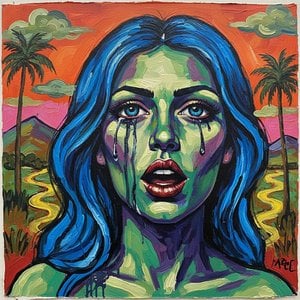
Embark on a journey through the vibrant world of Fauvism. Discover how masters like Henri Matisse revolutionized art through bold colors and raw emotion in this expert-led guide to one of modern art's most powerful movements.

Explore the vibrant revolution of Fauvism. Discover how masters like Matisse liberated color to redefine modern art. Dive into an expert-led journey through the 'Wild Beasts' movement and learn how to bring this bold, expressive energy into your personal collection.


 プレビュー
プレビュー
 シェアする
シェアする シェアする
シェアする
 詳細を見る
詳細を見る

 ダウンロード
 似ている作品
 X線調査
X線調査 スライドショー
 統計情報
統計情報

 詳細を見る
詳細を見る









 ガラスオプションは、110cm未満のサイズでのみご利用いただけます。


