スピーディーな制作と多彩な仕上げオプションが魅力の、ミュージアムクオリティなジークレー・キャンバスプリント。 ( 手描きの複製画を注文する デジタル画像販売へ切り替え)





























作品のオリジナル比率に合わせた、当店の規定サイズからお選びください。

額縁や壁のスペースに合わせて、ご希望の幅と高さを入力してください。プリントはカットすることは可能ですが、元の画像より大きくすることはできないため、異なる比率のサイズを選択された場合は、画像の一部が欠けることになります。印刷を開始する前に、内容を確認していただくためのデジタルモックアップをお送りいたします。このページに表示されている画像は、実際のカット後の状態を示すものではありません。実際の仕上がりはモックアップにてご確認ください。
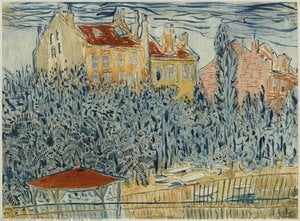
The Boulevards
複製画サイズ一覧
To step into Pierre Bonnard’s “The Boulevards” is to wander through a dream of fin de siècle Paris, where the bustling energy of the city is softened by a veil of poetic nostalgia. Created in 1900, this exquisite lithograph does not merely document a street scene; it captures the very breath of the Belle Époque. As a master of the Intimist movement, Bonnard moves away from the grand, sweeping gestures of traditional landscape painting to focus on the quiet, fleeting moments that define urban existence. The viewer is not an outsider looking in, but a silent participant, drifting alongside the figures strolling through a world rendered in a palette of muted greens, soft violets, and delicate pinks.
The composition possesses a deceptive simplicity that masks a profound emotional depth. Bonnard utilizes a subtly flattened perspective, compressing the space of the boulevard to draw the eye inward toward a towering architectural presence. This technique creates an intimate atmosphere, as if the city itself is leaning in to share a secret. The way the light filters through the scene—not with the harsh brilliance of the Impressionists, but with a diffused, ethereal glow—imbued the lithograph with a sense of timelessness. For the collector or interior designer, this piece offers a sophisticated balance of structure and softness, making it an ideal focal point for spaces that require a touch of historical elegance and contemplative calm.
The technical mastery behind “The Boulevards” lies in Bonnard’s ability to use color as a vehicle for emotion rather than mere description. Executed as a lithograph on fine paper, the work showcases a remarkable command of tonal layering. By eschewing heavy outlines and traditional shading, Bonnard relies on overlapping planes of color to suggest depth and movement. The interplay between the cool greens and the warm, fleshy pinks creates a rhythmic vibration across the surface, mimicking the flickering movement of pedestrians and bicycles passing through the street. This approach reflects his roots in the Nabis group, where the decorative quality of the medium was just as vital as the subject matter itself.
Every stroke and color choice serves to evoke the atmosphere of a city in transition. There is a certain melancholy present in the muted tones, a reflection of the shifting social tides at the turn of the century. Yet, beneath this layer of nostalgia, there is an undeniable vibrancy—a pulse of life that remains even in the most subdued hues. For those seeking to adorn a home with art that tells a story, this reproduction provides more than just visual beauty; it offers a window into a vanished era of Parisian splendor, inviting a sense of romanticism and intellectual curiosity into any curated collection.
「The Boulevards」は、Reflectiveな感情を呼び起こします。この情緒的なトーンは、作品が与える印象を表しています。
ピエール=オーギュスト・ルノワール作「The Boulevards」は、作品のダウンロードページから高解像度デジタル画像のダウンロードとしてダウンロードいただけます。
ピエール=オーギュスト・ルノワール作「The Boulevards」は、明部と暗部の間にBoldなコントラストを描き出しています。


1867 - 1947 , フランス

Explore the captivating journey of street art from urban walls to prestigious galleries. Discover how contemporary graffiti has evolved into a high-end collectible movement, redefining modern interior design and global art culture.

Explore the ethereal beauty of Impressionist landscapes. Discover how masters like Monet captured fleeting light through color and texture, and learn to curate these timeless, luminous masterpieces for your home collection.

 設置イメージを確認
 送る
送る シェア
シェア
 詳細情報
詳細情報 ガイドを表示

 画像をダウンロード
 似ている作品
 X線調査
X線調査 スライドショー
 統計情報
統計情報


 続きを読む
続きを読む









 ガラスオプションは、110cm未満のサイズでのみご利用いただけます。