
オンラインプレビューをはるかに凌ぐ、高解像度で鮮明なデジタル画像をご購入いただけます。
各ファイルは、社内の専門家が高度なツールと熟練した手作業によるレタッチを駆使し、細心の注意を払って仕上げています。すべての画像において、卓越した鮮明度、正確な色彩再現性、そして繊細なディテールをお約束いたします。
最終ファイルは、プロフェッショナルな編集・印刷環境ですぐにご利用いただけるよう最適化された状態で、72時間以内にメールにてお届けいたします。これは、一流のデザインスタジオ、出版社、ギャラリーから信頼されているものと同等の品質です。
個人での鑑賞、印刷、クリエイティブなプロジェクトにご利用いただける高解像度ファイルをダウンロードできます。 ( プリント版に切り替え 手描きの複製画を注文する)
WahooArt.com を選ぶことは、単に画像を手に入れることではありません。プロの手によって精密に仕上げられ、満足保証が付いた高品質なデジタルアートワークを受け取ることを意味します。ご注文いただいた際に自動的に付随する内容は、以下の通りです:

ご注文から72時間以内に、高解像度のデジタル画像ファイルをメールでお送りいたします。お手元に届き次第、すぐにご利用いただけます。

お客様の作品は、高度なAI技術と専門家による手作業を組み合わせてプロフェッショナルに最適化されており、細部のディテール、鮮明さ、そして正確な色再現性を最大限に引き出しています。

ファイルを誤って削除したり、紛失してしまったりしましたか?ご安心ください。いつでも無料で再送いたします。

関税や手数料、配送料を気にすることなく、お気に入りのアートワークをすぐにお楽しみいただけます。デジタルダウンロードは常に免税です。

プロ仕様のツールとカラーマネジメント技術を用いることで、デジタル画像が元の色を最大限に忠実に再現することを保証いたします。

ご購入いただいたデジタル画像にご満足いただけない場合は、100日以内であれば、理由を問わず修正または100%の返金対応をさせていただきます。

ご満足いただけない場合は、デジタルファイルを受け取ってから100日以内であれば、理由を問わず全額返金いたします。

3枚購入で10%OFF、5枚購入で15%OFF、10枚以上のご購入で20%OFF。クリエイティブなプロジェクトやギャラリー、エージェンシーに最適です。
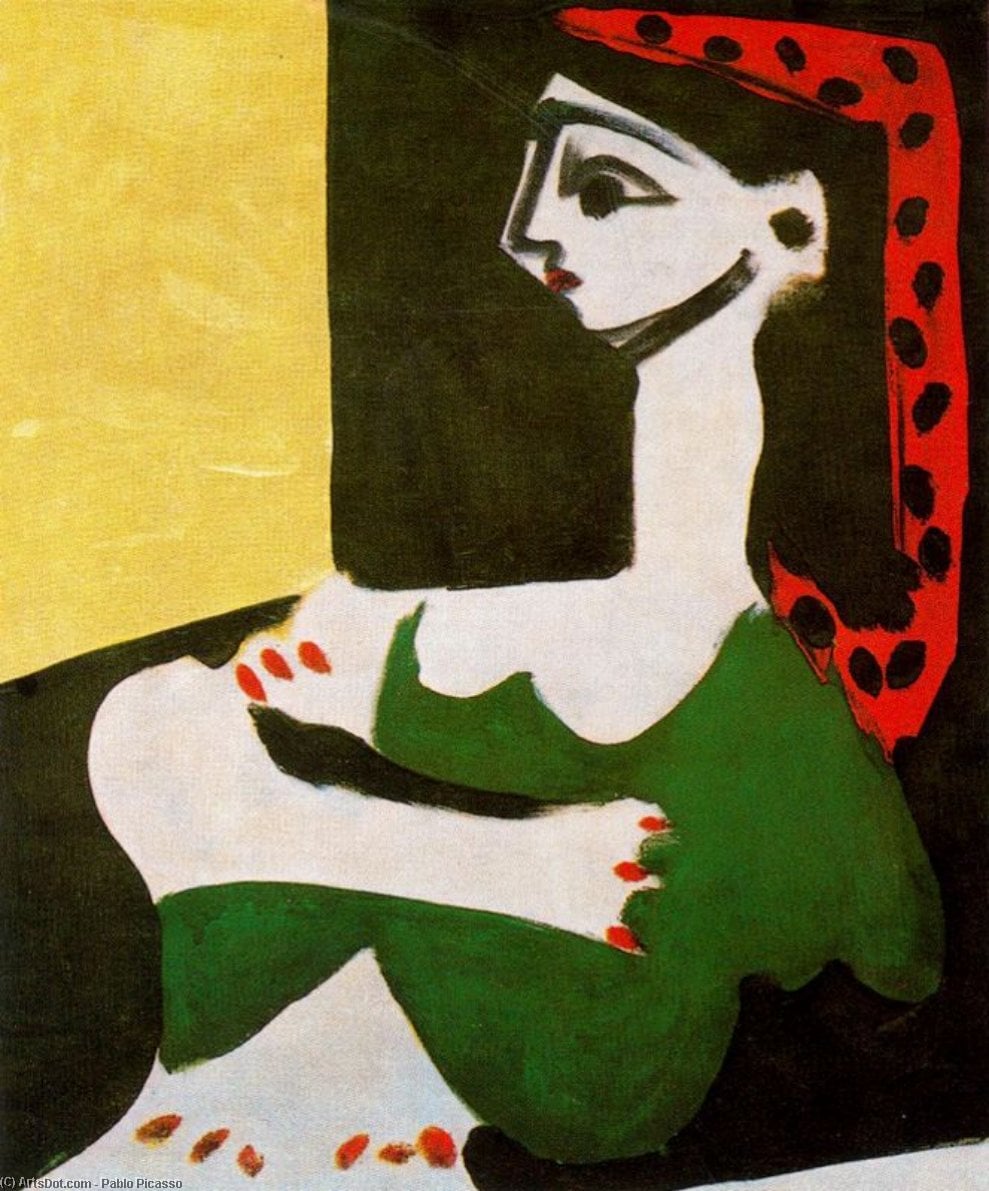
Pablo Ruiz Picasso's “Jacqueline’s Portrait (Profile) 3,” painted in 1962, isn’t merely a likeness; it’s a distilled essence of a woman—a study in understated elegance and the profound connection between artist and subject. This oil painting, housed within the Museum Quartier Des Héronnières in Fontainebleau, France, offers a glimpse into Picasso's later years, a period marked by both artistic refinement and an intimate exploration of his beloved muse, Jacqueline Roque. The work transcends simple portraiture, becoming a meditation on form, color, and the quiet power of observation.
Picasso’s masterful manipulation of Cubist principles is immediately apparent. While rooted in the fragmented forms and multiple perspectives that defined his earlier revolutionary period, here he employs them with a newfound control and restraint. The subject's features—her profile, her hands delicately crossed—are not dissolved into geometric shards but are rendered with a remarkable clarity and solidity. This shift reflects Picasso’s evolving style, moving away from the chaotic energy of his Cubist experiments towards a more considered and emotionally resonant approach. The painting is a testament to his ability to synthesize past innovations with a mature artistic vision.
Jacqueline Roque, Picasso’s second wife, played a pivotal role in shaping this portrait. Meeting her at a pottery studio in 1961, she became an enduring source of inspiration for the artist throughout their marriage. “Jacqueline’s Portrait (Profile) 3” captures her with a remarkable sense of dignity and composure. She is depicted seated, her gaze direct yet subtly enigmatic—a silent invitation to connection. The painting isn't about capturing a fleeting moment but rather conveying a deeper understanding of Jacqueline’s character: her strength, her intelligence, and the quiet grace that defined her presence.
The choice of Jacqueline herself is significant. Picasso frequently depicted women he admired – from Dora Maar to Marie-Thérèse Walter – often imbuing them with symbolic weight. In this portrait, however, there’s a sense of equality, a mutual respect between artist and subject that transcends the traditional power dynamics of the art world. The painting feels less like a conquest of beauty and more like an honest portrayal of a woman he deeply cherished.
The palette of “Jacqueline’s Portrait (Profile) 3” is both restrained and powerfully evocative. Picasso utilizes a harmonious blend of blues, greens, and yellows—shades that create a sense of depth and luminosity. The bold use of color isn't merely decorative; it serves to emphasize the subject’s features and imbue the painting with an emotional intensity. Notice how the cool blues and greens contribute to a feeling of serenity, while the warmer yellows add a touch of warmth and intimacy.
Furthermore, Picasso masterfully employs simplification and stylization. The subject's features are subtly abstracted, reducing them to their essential forms—a testament to his Cubist training. Yet, these simplifications don’t diminish the portrait’s impact; rather, they heighten its emotional resonance. The careful arrangement of shapes and lines creates a dynamic composition that draws the viewer’s eye and invites contemplation.
Beyond its technical brilliance, “Jacqueline’s Portrait (Profile) 3” is rich in symbolism. The seated posture itself suggests stability and introspection—a reflection of Jacqueline's character. The crossed hands convey a sense of quiet confidence and self-possession. The painting can be interpreted as an exploration of the female form, a celebration of beauty, and a testament to the enduring power of human connection.
Picasso’s legacy is inextricably linked to this portrait. It stands as a poignant example of his artistic evolution—a culmination of decades of experimentation and innovation. Reproductions of “Jacqueline’s Portrait (Profile) 3” offer art lovers a chance to experience the depth and complexity of Picasso's vision, bringing a touch of timeless elegance to any space.


1881 - 1973 , スペイン

 設置イメージを確認
 送る
送る シェア
シェア
 詳細情報
詳細情報 ガイドを表示

 画像をダウンロード
 似ている作品
 X線調査
X線調査 スライドショー
 統計情報
統計情報

 続きを読む
続きを読む


