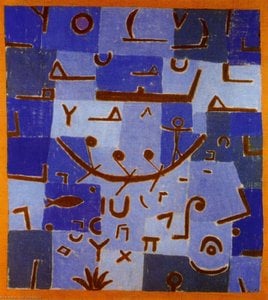
キャンバスにアクリル絵具ウォールアートBrazilian Modernism
 1926
1926 199.0 x 68.0 cm
 Chamber of Deputies
オンラインプレビューをはるかに凌ぐ、高解像度で鮮明なデジタル画像をご購入いただけます。
各ファイルは、社内の専門家が高度なツールと熟練した手作業によるレタッチを用いて、細心の注意を払って準備されています。すべての画像において、卓越した鮮明度、正確な色彩再現性、そして繊細なディテールを保証いたします。
最終ファイルは、プロフェッショナルな編集・印刷環境ですぐにご利用いただけるよう最適化された状態で、72時間以内にメールにてお届けいたします。これは、一流のデザインスタジオ、出版社、ギャラリーから信頼されているものと同等の品質です。
個人での鑑賞、印刷、クリエイティブなプロジェクト用に、高解像度ファイルをダウンロードできます。 ( プリント版に切り替え 手描きの絵画を購入)
WahooArt.com を選ぶことは、単に画像を手に入れることではありません。それは、プロの手によって精密に仕上げられ、満足保証が付いた高品質なデジタルアートワークを受け取ることを意味します。ご注文いただいた際に自動的に付随する内容は、以下の通りです:

ご注文から72時間以内に、高解像度のデジタル画像ファイルがメールでお手元に届きます。すぐにそのままご利用いただけます。

お客様の作品は、高度なAIツールと専門家による手作業の編集を組み合わせてプロフェッショナルに最適化されており、細部のディテール、鮮明さ、そして正確な色再現性を最大限に引き出しています。

ファイルを誤って削除したり、紛失してしまったりしましたか?ご安心ください。いつでも無料で再送いたします。

関税や手数料、配送料を気にすることなく、お気に入りのアートワークをすぐにお楽しみいただけます。デジタルダウンロードは常に免税です。

プロ仕様のツールとカラーマネジメント技術を用いることで、デジタル画像が元の色を最大限に忠実に再現することを保証いたします。

ご購入いただいたデジタル画像にご満足いただけない場合は、100日以内であれば、理由を問わず修正または100%の返金対応をさせていただきます。

ご満足いただけない場合は、デジタルファイルを受け取ってから100日以内であれば、理由を問わず全額返金いたします。

3枚購入で10%OFF - 5枚購入で15%OFF - 10枚以上購入で20%OFF。クリエイティブなプロジェクト、ギャラリー、エージェンシーに最適です。

Nilo Procópio Peçanha (October 2, 1867 – March 31, 1924), also known as niló peçanha, nilo pecanha, or nilo procopio pecanha, was a remarkable figure in Brazilian history, uniquely recognized for his dual roles as a prominent politician and an accomplished artist. Born in Campos dos Goytacazes, Brazil, Peçanha’s life unfolded against the backdrop of significant political and social change in early 20th-century Brazil. While primarily remembered as the seventh president of Brazil (1909–1910) and a key figure in Rio de Janeiro's governance (1903–1906), his artistic contributions, particularly his portraiture, offer a fascinating glimpse into his personal passions and the era’s aesthetic sensibilities.
Peçanha’s political career was marked by rapid ascent. He served as governor of Rio de Janeiro before being elected fifth vice president of Brazil in 1906. Following the death of President Afonso Pena in 1909, he assumed the presidency, a period characterized by navigating complex national and international affairs. His presidency, though relatively brief (1909-1910), was significant for its role during a turbulent time in Brazilian politics. He is frequently considered Brazil's first Afro-Brazilian president, although discussions surrounding his racial identity remain a subject of historical debate. This recognition underscores the evolving understanding of race and representation within Brazilian society.
Beyond his political achievements, Peçanha possessed a keen artistic talent, primarily expressed through portrait painting. While not extensively documented compared to his political career, surviving examples of his work reveal a skilled hand capable of capturing likeness and character. His most notable artwork is arguably the portrait of Rui Barbosa, a renowned Brazilian jurist, writer, and politician. This piece exemplifies Peçanha’s artistic style – characterized by realistic representation and attention to detail. The portraits offer valuable insights into the personalities and social standing of prominent figures within Brazil's elite circles during that period.
Information regarding specific artistic influences on Peçanha is limited, but it’s reasonable to assume he was influenced by prevailing European portraiture traditions popular in Brazil at the time. The realism evident in his work suggests an appreciation for academic painting styles prevalent during the late 19th and early 20th centuries. His artistic development likely occurred through self-study and observation, reflecting a personal passion pursued alongside his demanding political career. It is believed that he received some formal training but primarily honed his skills through practice.
Nilo Procópio Peçanha’s legacy rests on the unique intersection of his political leadership and artistic talent. He represents a rare instance of a head of state actively engaged in creating visual art, providing a personal perspective on the era's social and political landscape. While his artistic output may not be as extensive as dedicated professional artists, it serves as an intriguing testament to his multifaceted personality and offers a valuable window into Brazilian history through both political action and artistic expression. His work continues to spark interest and discussion regarding Brazil’s complex racial dynamics and the contributions of Afro-Brazilians to its cultural heritage.

1867 - 1924 , Brazil


 プレビュー
プレビュー
 シェアする
シェアする シェアする
シェアする
 詳細を見る
詳細を見る ガイド
ガイド

 ダウンロード
 似ている作品
 X線調査
X線調査 スライドショー
 統計情報
統計情報 詳細を見る
詳細を見る