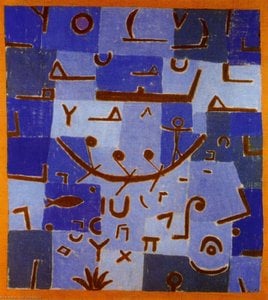
キャンバスにアクリル絵具ウォールアートBrazilian Modernism
 1926
1926 199.0 x 68.0 cm
 Chamber of Deputies
当社のアーティストが、お客様のご希望のサイズと額縁に合わせて、キャンバスに手描きで制作する油彩画です。 ( プリント版に切り替え デジタル画像販売へ切り替え)





























作品のオリジナル比率に合わせた、当店の規定サイズからお選びください。

特定のフレームやスペースに合わせて、ご希望のサイズをご入力いただけます。選択されたサイズが元の画像の比率と異なる場合、アートワークをトリミングするか、手描きで要素を追加して絵画を拡張いたします。デジタルモックアップ を制作し、制作開始前にご確認(承認)をいただきます。
画面上のプレビューは、実際のトリミングや拡張を正確に反映しているものではありません。最終的な構図は、モックアップによってのみ正確にご確認いただけます。
カスタムサイズもご利用いただけますが、元の比率を維持するためには、あらかじめ用意されたリストからサイズを選択することをお勧めいたします。

ルイ・バルバゾーア像
複製画のサイズ

Nilo Procópio Peçanha (October 2, 1867 – March 31, 1924), also known as niló peçanha, nilo pecanha, or nilo procopio pecanha, was a remarkable figure in Brazilian history, uniquely recognized for his dual roles as a prominent politician and an accomplished artist. Born in Campos dos Goytacazes, Brazil, Peçanha’s life unfolded against the backdrop of significant political and social change in early 20th-century Brazil. While primarily remembered as the seventh president of Brazil (1909–1910) and a key figure in Rio de Janeiro's governance (1903–1906), his artistic contributions, particularly his portraiture, offer a fascinating glimpse into his personal passions and the era’s aesthetic sensibilities.
Peçanha’s political career was marked by rapid ascent. He served as governor of Rio de Janeiro before being elected fifth vice president of Brazil in 1906. Following the death of President Afonso Pena in 1909, he assumed the presidency, a period characterized by navigating complex national and international affairs. His presidency, though relatively brief (1909-1910), was significant for its role during a turbulent time in Brazilian politics. He is frequently considered Brazil's first Afro-Brazilian president, although discussions surrounding his racial identity remain a subject of historical debate. This recognition underscores the evolving understanding of race and representation within Brazilian society.
Beyond his political achievements, Peçanha possessed a keen artistic talent, primarily expressed through portrait painting. While not extensively documented compared to his political career, surviving examples of his work reveal a skilled hand capable of capturing likeness and character. His most notable artwork is arguably the portrait of Rui Barbosa, a renowned Brazilian jurist, writer, and politician. This piece exemplifies Peçanha’s artistic style – characterized by realistic representation and attention to detail. The portraits offer valuable insights into the personalities and social standing of prominent figures within Brazil's elite circles during that period.
Information regarding specific artistic influences on Peçanha is limited, but it’s reasonable to assume he was influenced by prevailing European portraiture traditions popular in Brazil at the time. The realism evident in his work suggests an appreciation for academic painting styles prevalent during the late 19th and early 20th centuries. His artistic development likely occurred through self-study and observation, reflecting a personal passion pursued alongside his demanding political career. It is believed that he received some formal training but primarily honed his skills through practice.
Nilo Procópio Peçanha’s legacy rests on the unique intersection of his political leadership and artistic talent. He represents a rare instance of a head of state actively engaged in creating visual art, providing a personal perspective on the era's social and political landscape. While his artistic output may not be as extensive as dedicated professional artists, it serves as an intriguing testament to his multifaceted personality and offers a valuable window into Brazilian history through both political action and artistic expression. His work continues to spark interest and discussion regarding Brazil’s complex racial dynamics and the contributions of Afro-Brazilians to its cultural heritage.

1867 - 1924 , Brazil

Explore the life & art of Rafael Barradas, a pioneering Uruguayan modernist who blended European influences with vibrant local heritage. Discover his unique 'Vibrationism' style and investment potential.

Explore the captivating world of Benedito Calixto, a pivotal Brazilian Modernist painter. Discover his iconic landscapes, the story behind the famous Bandeirante portrait, and his lasting impact on Brazilian national identity. Learn more at WahooArt.

Explore the captivating art of Jean-Baptiste Debret, a key witness to Brazil’s imperial era. Discover his iconic portraits, historical scenes & insightful depictions of Brazilian life. Learn about his legacy and find museum-quality reproductions at WahooArt.

Explore the captivating world of Alceu de Paula Penna, a pivotal figure in Brazilian Modernism. Discover his innovative concrete poetry & influence on Latin American art history. Expert insights for collectors.


 プレビュー
プレビュー
 シェアする
シェアする シェアする
シェアする
 詳細を見る
詳細を見る

 ダウンロード
 似ている作品
 X線調査
X線調査 スライドショー
 統計情報
統計情報 詳細を見る
詳細を見る









 ガラスオプションは、110cm未満のサイズでのみご利用いただけます。