
 Acrylic On CanvasWallArtDutch Golden Age
 1656
1656 45.0 x 53.0 cm
 メトロポリタン美術館
オンラインプレビューをはるかに凌ぐ、高解像度で鮮明なデジタル画像をご購入いただけます。
各ファイルは、社内の専門家が高度なツールと熟練した手作業によるレタッチを用いて、細心の注意を払って準備されています。すべての画像において、卓越した鮮明度、正確な色彩再現性、そして繊細なディテールを保証いたします。
最終ファイルは、プロフェッショナルな編集・印刷環境ですぐにご利用いただけるよう最適化された状態で、72時間以内にメールにてお届けいたします。これは、一流のデザインスタジオ、出版社、ギャラリーから信頼されているものと同等の品質です。
個人での鑑賞、印刷、クリエイティブなプロジェクト用に、高解像度ファイルをダウンロードできます。 ( プリント版に切り替え 手描きの絵画を購入)
WahooArt.com を選ぶことは、単に画像を手に入れることではありません。それは、プロの手によって精密に仕上げられ、満足保証が付いた高品質なデジタルアートワークを受け取ることを意味します。ご注文いただいた際に自動的に付随する内容は、以下の通りです:

ご注文から72時間以内に、高解像度のデジタル画像ファイルがメールでお手元に届きます。すぐにそのままご利用いただけます。

お客様の作品は、高度なAIツールと専門家による手作業の編集を組み合わせてプロフェッショナルに最適化されており、細部のディテール、鮮明さ、そして正確な色再現性を最大限に引き出しています。

ファイルを誤って削除したり、紛失してしまったりしましたか?ご安心ください。いつでも無料で再送いたします。

関税や手数料、配送料を気にすることなく、お気に入りのアートワークをすぐにお楽しみいただけます。デジタルダウンロードは常に免税です。

プロ仕様のツールとカラーマネジメント技術を用いることで、デジタル画像が元の色を最大限に忠実に再現することを保証いたします。

ご購入いただいたデジタル画像にご満足いただけない場合は、100日以内であれば、理由を問わず修正または100%の返金対応をさせていただきます。

ご満足いただけない場合は、デジタルファイルを受け取ってから100日以内であれば、理由を問わず全額返金いたします。

3枚購入で10%OFF - 5枚購入で15%OFF - 10枚以上購入で20%OFF。クリエイティブなプロジェクト、ギャラリー、エージェンシーに最適です。
Nicolaes Maes’s “The Lacemaker,” painted around 1656, is more than just a portrait; it's a meticulously crafted window into the heart of 17th-century Dutch domesticity. Housed within the Metropolitan Museum of Art in New York, this small yet remarkably detailed canvas offers a poignant study of labor, femininity, and the quiet dignity of everyday life – a hallmark of the burgeoning genre painting movement that flourished during the Dutch Golden Age. The scene unfolds within a modestly furnished room, bathed in soft light filtering through a window on the left, creating an atmosphere of serene contemplation.
The central figure is a young woman, her posture suggesting both diligence and contentment as she expertly works at her lacemaking. Her hands move with practiced grace, transforming simple threads into intricate patterns – a testament to the skill and patience required for this demanding craft. Beside her, a small child sits perched on a stool, observing his mother’s work with an expression of innocent curiosity. This juxtaposition of generations, of labor and observation, imbues the scene with a subtle narrative depth.
Maes was deeply influenced by Rembrandt van Rijn, inheriting his profound understanding of *chiaroscuro*, the dramatic interplay of light and shadow. Here, this technique is masterfully employed to draw the viewer’s eye to the central figure, highlighting her hands and the delicate lace she creates. The dark background – a simple wooden room with a muted floor – serves as a powerful contrast, emphasizing the brightness of the figures and creating a sense of intimacy. Notice how Maes uses subtle gradations of light to model the woman's face and clothing, lending them a remarkable three-dimensionality.
The artist’s meticulous attention to detail extends beyond the figure itself. The textures of the fabric – the smooth sheen of the bodice, the rough weave of the tablecloth – are rendered with astonishing realism. Even the small objects on the table – a vase and a bowl – contribute to the sense of a lived-in space, grounding the scene in a tangible reality.
Lacemaking was not merely a domestic occupation; it held significant social and economic value during this period. The intricate lace produced by women like the one depicted in “The Lacemaker” was highly sought after, providing an important source of income for many families. The painting therefore offers a glimpse into the lives of ordinary Dutch women, highlighting their contributions to the household economy and showcasing their skill and artistry.
Furthermore, the presence of the child adds another layer of symbolic meaning. Children were often depicted in domestic scenes as symbols of hope and continuity, representing the future generation. The boy’s attentive gaze suggests a connection between mother and child, reinforcing the values of family and tradition that were central to Dutch society.
“The Lacemaker” is more than just a beautiful painting; it's a powerful testament to the artistry and skill of Nicolaes Maes. Through his masterful use of light, shadow, and detail, he has captured a fleeting moment in time – a glimpse into the quiet dignity of domestic life in Delft. The painting’s enduring appeal lies in its ability to evoke a sense of nostalgia for a bygone era, reminding us of the simple pleasures and profound beauty that can be found in the everyday.

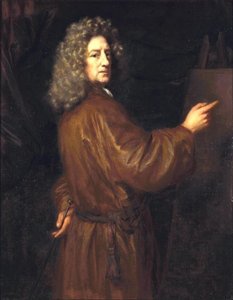
1634 - 1693 , オランダ


 プレビュー
プレビュー
 シェアする
シェアする シェアする
シェアする
 詳細を見る
詳細を見る

 ダウンロード
 似ている作品
 X線調査
X線調査 スライドショー
 統計情報
統計情報 詳細を見る
詳細を見る


