
x


 Acrylic On CanvasWallArtDutch Golden Age
 1656
1656 45.0 x 53.0 cm
 メトロポリタン美術館




























作品のオリジナル比率に合わせた、当店の規定サイズからお選びください。

特定のフレームやスペースに合わせて、ご希望のサイズをご入力いただけます。選択されたサイズが元の画像の比率と異なる場合、アートワークをトリミングするか、手描きで要素を追加して絵画を拡張いたします。デジタルモックアップ を制作し、制作開始前にご確認(承認)をいただきます。
画面上のプレビューは、実際のトリミングや拡張を正確に反映しているものではありません。最終的な構図は、モックアップによってのみ正確にご確認いただけます。
カスタムサイズもご利用いただけますが、元の比率を維持するためには、あらかじめ用意されたリストからサイズを選択することをお勧めいたします。

The Lacemaker
複製画のサイズ
Nicolaes Maes’s “The Lacemaker,” painted around 1656, is more than just a portrait; it's a meticulously crafted window into the heart of 17th-century Dutch domesticity. Housed within the Metropolitan Museum of Art in New York, this small yet remarkably detailed canvas offers a poignant study of labor, femininity, and the quiet dignity of everyday life – a hallmark of the burgeoning genre painting movement that flourished during the Dutch Golden Age. The scene unfolds within a modestly furnished room, bathed in soft light filtering through a window on the left, creating an atmosphere of serene contemplation.
The central figure is a young woman, her posture suggesting both diligence and contentment as she expertly works at her lacemaking. Her hands move with practiced grace, transforming simple threads into intricate patterns – a testament to the skill and patience required for this demanding craft. Beside her, a small child sits perched on a stool, observing his mother’s work with an expression of innocent curiosity. This juxtaposition of generations, of labor and observation, imbues the scene with a subtle narrative depth.
Maes was deeply influenced by Rembrandt van Rijn, inheriting his profound understanding of *chiaroscuro*, the dramatic interplay of light and shadow. Here, this technique is masterfully employed to draw the viewer’s eye to the central figure, highlighting her hands and the delicate lace she creates. The dark background – a simple wooden room with a muted floor – serves as a powerful contrast, emphasizing the brightness of the figures and creating a sense of intimacy. Notice how Maes uses subtle gradations of light to model the woman's face and clothing, lending them a remarkable three-dimensionality.
The artist’s meticulous attention to detail extends beyond the figure itself. The textures of the fabric – the smooth sheen of the bodice, the rough weave of the tablecloth – are rendered with astonishing realism. Even the small objects on the table – a vase and a bowl – contribute to the sense of a lived-in space, grounding the scene in a tangible reality.
Lacemaking was not merely a domestic occupation; it held significant social and economic value during this period. The intricate lace produced by women like the one depicted in “The Lacemaker” was highly sought after, providing an important source of income for many families. The painting therefore offers a glimpse into the lives of ordinary Dutch women, highlighting their contributions to the household economy and showcasing their skill and artistry.
Furthermore, the presence of the child adds another layer of symbolic meaning. Children were often depicted in domestic scenes as symbols of hope and continuity, representing the future generation. The boy’s attentive gaze suggests a connection between mother and child, reinforcing the values of family and tradition that were central to Dutch society.
“The Lacemaker” is more than just a beautiful painting; it's a powerful testament to the artistry and skill of Nicolaes Maes. Through his masterful use of light, shadow, and detail, he has captured a fleeting moment in time – a glimpse into the quiet dignity of domestic life in Delft. The painting’s enduring appeal lies in its ability to evoke a sense of nostalgia for a bygone era, reminding us of the simple pleasures and profound beauty that can be found in the everyday.

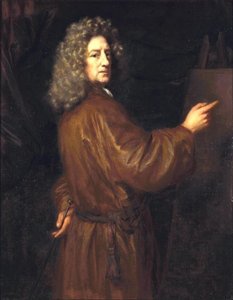
1634 - 1693 , オランダ

Embark on a sophisticated journey through the Dutch Golden Age. Unveil the dramatic brilliance of Rembrandt’s chiaroscuro and the expressive landscapes of 17th-century masters in this authoritative exploration of light, shadow, and enduring artistic legacy.


最新の美術ニュース、限定オファー、そしてインテリアのアイデアをいち早くお届けします。
お客様のプロジェクトについてお聞かせください。当社の美術専門家が、お客様に合わせた3つのパーソナライズされた芸術提案をご提供いたします。
あなたにぴったりの3作品を無料で厳選いたします


 プレビュー
プレビュー
 プリントを購入
 シェアする
シェアする シェアする
シェアする
 詳細を見る
詳細を見る

 ダウンロード
 似ている作品
 X線調査
X線調査 スライドショー
 詳細を見る
詳細を見る









 ガラスオプションは、110cm未満のサイズでのみご利用いただけます。


