迅速な制作と多彩な仕上げオプションを備えた、ミュージアムクオリティのジークレーまたはキャンバスプリント。 ( 手描きの絵画を購入 デジタル画像販売へ切り替え)
作品のオリジナル比率に合わせた、当店の規定サイズからお選びください。

特定のフレームやスペースに合わせて、ご自身でサイズを指定することも可能です。選択されたサイズが元の画像の比率と一致しない場合、作品をトリミングするか、鏡面反射または単色での塗りつぶしによって画像を拡張いたします。制作を開始する前に、ご確認用のデジタルモックアップをお送りいたします。
画面上のプレビューには、実際のトリミングや拡張は反映されませんのでご注意ください。最終的な構図を正確に確認できるのは、モックアップのみとなります。
カスタムサイズも承っておりますが、元の比率を維持するためには、あらかじめ用意されたリストからサイズを選択することをお勧めいたします。

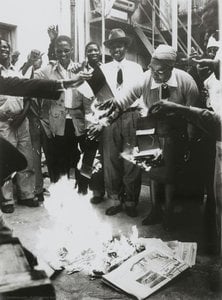
Self-styled Field Marshal John Okello
複製画のサイズ
In the stark, monochrome depths of Mohamed Amin’s photograph, Self-styled Field Marshal John Okello, we are not merely observers of a moment, but witnesses to a turbulent chapter of East African history. The image captures a chillingly composed group of men, an assembly of what is described as a peasant army, posing with a grim, calculated stillness. There is an undeniable tension that radiates from the frame; the heavy presence of firearms and the resolute, unblinking gazes of the subjects create an atmosphere thick with the scent of impending conflict. As a piece of documentary photography, it transcends simple reportage, offering a window into a period where power was being violently contested, and the air in Kenya felt heavy with the weight of transformation and bloodshed.
The composition is masterfully tight, pulling the viewer into the very center of this paramilitary gathering. Amin utilizes a clustered arrangement that denies the eye any easy escape, forcing an intimate confrontation with the figures and their weaponry. A single chair, positioned with a sense of staged formality on the right, introduces a jarring element of order amidst the potential chaos, suggesting a hierarchy within this group of insurgents. The lack of significant depth creates a flattened perspective, pushing the subjects toward the foreground where their textures—the rough weave of uniforms, the cold metallic sheen of guns, and the varied skin tones—become tactile and immediate. This closeness fosters a sense of claustrophiveness, mirroring the political volatility of the era.
Stripped of color, the photograph relies entirely on a sophisticated interplay of light and shadow to convey its somber narrative. The monochrome palette serves as more than just a stylistic choice; it acts as a veil of historical gravity, stripping away the distractions of the natural world to focus purely on form, contrast, and emotion. The lighting, likely captured through natural or available sources, casts deep shadows that obscure certain features while highlighting others—the glint of a barrel, the furrowed brow of a soldier, or the stark lines of a silhouette. This high-contrast approach lends the image a sculptural quality, turning human figures into monumental symbols of resistance and authority.
For the collector or the interior designer, this work offers a profound emotional resonance that is difficult to replicate with more decorative imagery. It is a piece that demands contemplation, making it an ideal centerpiece for spaces dedicated to historical reflection, academic study, or avant-garde curation. The photograph does not merely decorate a wall; it anchors a room with its weight and significance. To possess a reproduction of such a powerful moment is to hold a fragment of the twentieth century's most visceral truths, inviting anyone who views it to engage with the complex, often painful, beauty of the human struggle for power and identity.

20世紀のアフリカ史という、絶え間なく移り変わる壮大なタペストリーにおいて、モハメド・アミンほど、この大陸の剥き出しで飾りのない鼓動を捉えた人物は他にいないでしょう。1943年、ナイロビのイーストリーに生まれたアミンは、単なる観察者ではありませんでした。彼のレンズは、遠く隔たった場所にある現実のヴェールを突き破り、アフリカの生活が持つ深遠な真実を世界の意識へと届ける視覚的な記録者だったのです。ケニアの活気あふれるパンジャブ系の文化の中で育まれた、イメージが持つ力への初期の情熱は、真実を執拗なまでに追い求める彼のキャリアの礎となりました。その歩みは単なる職業的な成功の道のりではなく、独立の勝利から人道危機の悲劇に至るまで、自らの民の物語を世界に目撃させるという、生涯をかけた使命でもありました。
彼の伝説的な地位の基盤は、若き日の起業家精神が生んだ不屈の決意によって築かれました。1963年、アミンはタンザニアのダルエスサラームにカメラピックス社を設立しました。この事業は後にアフリカのメディア界の礎石となります。それは単なるビジネスではなく、ジャーナリズムの誠実さを守るための聖域でもありました。カメラピックスを通じて、アミンは献身的なプロフェッショナル集団を育成し、前例のない速さと正確さでニュースを届けるため、過酷な条件下での活動を厭いませんでした。また、イースト・アフリカン・サファリ・ラリーにおける彼の仕事は、その多才さを証明するものとして今も語り継がれています。険しい地形を進むメルセデス・ベンツ450SLCの手に汗握る疾走感から、モータースポーツの衝突事故による砂埃に包まれた混沌まで、アミンは動乱の中に美を見出す類まれな才能を持っていました。スポーツ写真の技術的な精密さと、ドキュメンタリーとしての深い精神性を融合させたのです。
動きと光を操る技術がアクション写真の分野で彼に称賛をもたらした一方で、アミンの歴史的な重要性を決定づけたのは、悲劇に立ち向かう勇気でした。1984年のエチオピア飢饉は、おそらく彼のキャリアの中で最も痛切な章といえるでしょう。BBCとの共同作業において、アミンが展開した危機への揺るぎない記録は、単なるニュース報道の枠を超え、世界的なムーブメントに火をつけました。演出された虚飾を拒絶し、深い感情的深みを湛えた彼のイメージは、ライブ・エイド時代の視覚的な鼓動となりました。数百万人の苦しみを、ありのままの、そして忘れがたいほど美しい白黒の構図で提示することで、彼は遠く離れた悲劇と国際的な共感との間に架け橋を築き、たった一枚の写真が地球規模の良心を動かし得ることを証明したのです。
彼の写真様式は、従来のニュースメディアに見られるような、洗練され、時に浄化(サニタイズ)されたイメージからの意図的な脱却でした。アミンは瞬間の即時性を重んじ、白黒フィルムの劇的な階調を駆使して、人間の闘いと回復力の質感を照らし出しました。彼の作品に虚飾が入り込む余地はありません。彼が求めたのは、生々しく、粒子感のある、真実そのものでした。この真実への献身は、イディ・アミン政権の取材といった最も危険な任務においてさえ貫かれました。彼は戦士のような本能を持って紛争地を駆け抜け、リアルタイムで形成されていくポストコロニアル期のアフリカの精神を捉えようと突き進んだのです。
モハメド・アミンの生涯は、1996年、深い勇気が試される瞬間の中で悲劇的に断たれました。エチオピア航空機ハイジャック事件の交渉中に、インド洋への墜落事故によってその命を落としたのです。死してなお、アフリカの物語に対する彼の献身は揺るぎませんでした。今日、彼の遺産はモハメド・アミン財団が保有する数百万枚のアーカイブ画像の中に保存されているだけでなく、私たちがアフリカ大陸をどのように認識するかという、その視点そのものの中に生き続けています。彼の作品は、植民地時代の影から、現代のアフリカ諸国が持つ活気に満ちた複雑な現実への変遷を記録し、時代と時代を繋ぐ不可欠な架け橋としての役割を果たしています。
アミンの写真に目を向けることは、視覚的なストーリーテリングの極致を体験することに他なりません。彼の貢献は、以下の不朽の柱に集約されます。
究極的に、モハメド・アミンは、そのレンズが単に歴史を記録しただけでなく、歴史の形成を助けた先駆者として記憶されています。彼は世界に対し、アフリカを凝視することは、計り知れない強さと深い葛藤、そしてその複雑な栄光のすべてを目にすることなのだと教えてくれたのです。

1943 - 1996 , ケニア

Explore the profound artistry of black and white photography. From historical mastery to the interplay of light and shadow, discover how monochrome captures timeless emotion and form through a sophisticated lens of art history.

Elevate your most cherished memories with WahooArt’s bespoke service. We transform your personal photos into breathtaking, hand-painted black & white oil masterpieces. Experience museum-quality craftsmanship and timeless elegance for your private collection. Discover the art of legacy.


 シェアする
シェアする シェアする
シェアする
 詳細を見る
詳細を見る

 ダウンロード
 似ている作品
 スライドショー
 統計情報
統計情報


 詳細を見る
詳細を見る






































 ガラスオプションは、110cm未満のサイズでのみご利用いただけます。