オンラインプレビューをはるかに凌ぐ、高解像度で鮮明なデジタル画像をご購入いただけます。
各ファイルは、社内の専門家が高度なツールと熟練した手作業によるレタッチを用いて、細心の注意を払って準備されています。すべての画像において、卓越した鮮明度、正確な色彩再現性、そして繊細なディテールを保証いたします。
最終ファイルは、プロフェッショナルな編集・印刷環境ですぐにご利用いただけるよう最適化された状態で、72時間以内にメールにてお届けいたします。これは、一流のデザインスタジオ、出版社、ギャラリーから信頼されているものと同等の品質です。
個人での鑑賞、印刷、クリエイティブなプロジェクト用に、高解像度ファイルをダウンロードできます。 ( プリント版に切り替え 手描きの絵画を購入)
WahooArt.com を選ぶことは、単に画像を手に入れることではありません。それは、プロの手によって精密に仕上げられ、満足保証が付いた高品質なデジタルアートワークを受け取ることを意味します。ご注文いただいた際に自動的に付随する内容は、以下の通りです:

ご注文から72時間以内に、高解像度のデジタル画像ファイルがメールでお手元に届きます。すぐにそのままご利用いただけます。

お客様の作品は、高度なAIツールと専門家による手作業の編集を組み合わせてプロフェッショナルに最適化されており、細部のディテール、鮮明さ、そして正確な色再現性を最大限に引き出しています。

ファイルを誤って削除したり、紛失してしまったりしましたか?ご安心ください。いつでも無料で再送いたします。

関税や手数料、配送料を気にすることなく、お気に入りのアートワークをすぐにお楽しみいただけます。デジタルダウンロードは常に免税です。

プロ仕様のツールとカラーマネジメント技術を用いることで、デジタル画像が元の色を最大限に忠実に再現することを保証いたします。

ご購入いただいたデジタル画像にご満足いただけない場合は、100日以内であれば、理由を問わず修正または100%の返金対応をさせていただきます。

ご満足いただけない場合は、デジタルファイルを受け取ってから100日以内であれば、理由を問わず全額返金いたします。

3枚購入で10%OFF - 5枚購入で15%OFF - 10枚以上購入で20%OFF。クリエイティブなプロジェクト、ギャラリー、エージェンシーに最適です。
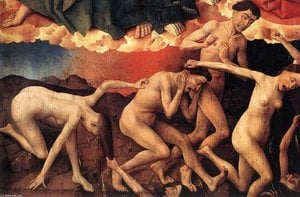
In the hallowed stillness of Bruges’ Sint Janskathedraal, there exists a window into the profound anxieties and spiritual aspirations of the fifteenth century. Hans Memling’s Last Judgment Triptych, completed around 1467, is far more than a mere religious relic; it is a monumental achievement in Early Netherlandish painting that captures the very essence of human mortality. This detail from the masterpiece invites viewers into a harrowing yet sublime vision of eschatology, where the boundaries between the earthly and the divine dissolve. Through his unparalleled mastery of oil paint, Memling orchestrates a complex tapestry of theological allegory, presenting a scene that is simultaneously terrifying in its depiction of judgment and breathtaking in its technical execution.
The composition serves as a visceral exploration of the human condition at the moment of ultimate reckoning. Within this frame, we witness a sea of figures caught in the throes of eternal consequence. Naked and vulnerable, the souls are depicted with an anatomical precision that reflects Memling’s commitment to realism—a hallmark of his training under the legendary Rogier van der Weyden. Some figures appear locked in desperate struggle, while others lie in states of profound exhaustion or torment, their bodies contorted by the weight of their sins. The presence of swords, glinting with a cold, sharp light, punctuates the chaos, acting as instruments of both divine justice and earthly suffering, guiding the eye through the swirling movement of the damned.
To behold this work is to experience the pinnacle of the Flemish Primitives' technique. Memling, born in Seligenstadt but refined in the artistic crucible of Bruges, brought a unique luminous quality to his palette. His ability to manipulate light and shadow—the chiaroscuro of the North—allows for a sculptural modeling of the human form that feels startlingly tactile. Every muscle, every fold of skin, and every glint of steel is rendered with a meticulousness that demands close contemplation. This level of detail does not merely serve aesthetic beauty; it serves a higher purpose, grounding the supernatural event in a reality so tangible that the viewer cannot help but feel the emotional gravity of the scene.
For the discerning collector or interior designer, a high-quality reproduction of this triptych offers more than just a decorative element; it provides a profound focal point for any space. The painting’s ability to evoke deep emotion—ranging from the dread of the unknown to the awe of divine power—makes it an extraordinary piece for those who appreciate art that tells a story. Whether placed in a quiet study or a grand gallery, the work commands attention through its rich textures and historical depth, serving as a timeless testament to the enduring fascination with the mysteries of life, death, and the eternal soul.


ドイツ


 プレビュー
プレビュー
 シェアする
シェアする シェアする
シェアする
 詳細を見る
詳細を見る ガイド
ガイド

 ダウンロード
 似ている作品
 X線調査
X線調査 スライドショー
 統計情報
統計情報


 詳細を見る
詳細を見る


![Scrovegni - Last Judgment (detail) [04] — ジョット, Proto-renaissance](/media/artworks/images-thumb/2c/cc/2cccbf5d66de604df5c3cc5658637344.jpg)