当社のアーティストが、お客様のご希望のサイズと額縁に合わせて、キャンバスに手描きで制作する油彩画です。 ( プリント版に切り替え デジタル画像販売へ切り替え)





























作品のオリジナル比率に合わせた、当店の規定サイズからお選びください。

特定のフレームやスペースに合わせて、ご希望のサイズをご入力いただけます。選択されたサイズが元の画像の比率と異なる場合、アートワークをトリミングするか、手描きで要素を追加して絵画を拡張いたします。デジタルモックアップ を制作し、制作開始前にご確認(承認)をいただきます。
画面上のプレビューは、実際のトリミングや拡張を正確に反映しているものではありません。最終的な構図は、モックアップによってのみ正確にご確認いただけます。
カスタムサイズもご利用いただけますが、元の比率を維持するためには、あらかじめ用意されたリストからサイズを選択することをお勧めいたします。

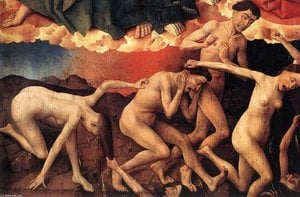
Last Judgment Triptych (detail) (11)
複製画のサイズ
In the hallowed stillness of Bruges’ Sint Janskathedraal, there exists a window into the profound anxieties and spiritual aspirations of the fifteenth century. Hans Memling’s Last Judgment Triptych, completed around 1467, is far more than a mere religious relic; it is a monumental achievement in Early Netherlandish painting that captures the very essence of human mortality. This detail from the masterpiece invites viewers into a harrowing yet sublime vision of eschatology, where the boundaries between the earthly and the divine dissolve. Through his unparalleled mastery of oil paint, Memling orchestrates a complex tapestry of theological allegory, presenting a scene that is simultaneously terrifying in its depiction of judgment and breathtaking in its technical execution.
The composition serves as a visceral exploration of the human condition at the moment of ultimate reckoning. Within this frame, we witness a sea of figures caught in the throes of eternal consequence. Naked and vulnerable, the souls are depicted with an anatomical precision that reflects Memling’s commitment to realism—a hallmark of his training under the legendary Rogier van der Weyden. Some figures appear locked in desperate struggle, while others lie in states of profound exhaustion or torment, their bodies contorted by the weight of their sins. The presence of swords, glinting with a cold, sharp light, punctuates the chaos, acting as instruments of both divine justice and earthly suffering, guiding the eye through the swirling movement of the damned.
To behold this work is to experience the pinnacle of the Flemish Primitives' technique. Memling, born in Seligenstadt but refined in the artistic crucible of Bruges, brought a unique luminous quality to his palette. His ability to manipulate light and shadow—the chiaroscuro of the North—allows for a sculptural modeling of the human form that feels startlingly tactile. Every muscle, every fold of skin, and every glint of steel is rendered with a meticulousness that demands close contemplation. This level of detail does not merely serve aesthetic beauty; it serves a higher purpose, grounding the supernatural event in a reality so tangible that the viewer cannot help but feel the emotional gravity of the scene.
For the discerning collector or interior designer, a high-quality reproduction of this triptych offers more than just a decorative element; it provides a profound focal point for any space. The painting’s ability to evoke deep emotion—ranging from the dread of the unknown to the awe of divine power—makes it an extraordinary piece for those who appreciate art that tells a story. Whether placed in a quiet study or a grand gallery, the work commands attention through its rich textures and historical depth, serving as a timeless testament to the enduring fascination with the mysteries of life, death, and the eternal soul.


ドイツ

Embark on a scholarly journey through the sacred beauty of High Medieval art. Discover the profound symbolism, luminous iconography, and spiritual depth of Gothic masterpieces in this expert guide for classical art enthusiasts.

Discover the enduring allure of oil on canvas. Explore how master techniques like impasto and glazing create the depth, texture, and emotional resonance found in the world's greatest masterpieces. An essential guide for fine art enthusiasts and discerning collectors.

Discover the profound allure of oil on canvas. Explore the mastery of impasto textures, the science of pigment longevity, and expert guides to selecting museum-quality reproductions that elevate your collection with timeless elegance and tactile depth.

Embark on a journey through the exquisite precision of Flemish Art. Discover the pioneering oil techniques, profound symbolism, and luminous realism that define the Northern Renaissance masters in this expert guide for art enthusiasts.

Explore the exquisite precision of Flemish painting. From Jan van Eyck to Robert Campin, discover the revolutionary oil techniques and rich symbolism that defined the Northern Renaissance and continue to inspire fine art collectors today.


 プレビュー
プレビュー
 シェアする
シェアする シェアする
シェアする
 詳細を見る
詳細を見る ガイド
ガイド

 ダウンロード
 似ている作品
 X線調査
X線調査 スライドショー
 統計情報
統計情報


 詳細を見る
詳細を見る









 ガラスオプションは、110cm未満のサイズでのみご利用いただけます。


![Scrovegni - Last Judgment (detail) [04] — ジョット, Proto-renaissance](/media/artworks/images-thumb/2c/cc/2cccbf5d66de604df5c3cc5658637344.jpg)