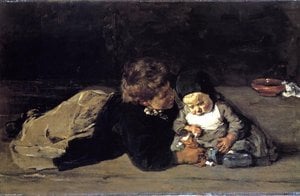
AcrylicWallArtImpressionist Painting
 1906
1906 24.0 x 19.0 cm
 クンストハレ・ブレーメン
オンラインプレビューをはるかに凌ぐ、高解像度で鮮明なデジタル画像をご購入いただけます。
各ファイルは、社内の専門家が高度なツールと熟練した手作業によるレタッチを駆使し、細心の注意を払って仕上げています。すべての画像において、卓越した鮮明度、正確な色彩再現性、そして繊細なディテールをお約束いたします。
最終ファイルは、プロフェッショナルな編集・印刷環境ですぐにご利用いただけるよう最適化された状態で、72時間以内にメールにてお届けいたします。これは、一流のデザインスタジオ、出版社、ギャラリーから信頼されているものと同等の品質です。
個人での鑑賞、印刷、クリエイティブなプロジェクトにご利用いただける高解像度ファイルをダウンロードできます。 ( プリント版に切り替え 手描きの複製画を注文する)
WahooArt.com を選ぶことは、単に画像を手に入れることではありません。プロの手によって精密に仕上げられ、満足保証が付いた高品質なデジタルアートワークを受け取ることを意味します。ご注文いただいた際に自動的に付随する内容は、以下の通りです:
ご注文から72時間以内に、高解像度のデジタル画像ファイルをメールでお送りいたします。お手元に届き次第、すぐにご利用いただけます。
お客様の作品は、高度なAI技術と専門家による手作業を組み合わせてプロフェッショナルに最適化されており、細部のディテール、鮮明さ、そして正確な色再現性を最大限に引き出しています。
ファイルを誤って削除したり、紛失してしまったりしましたか?ご安心ください。いつでも無料で再送いたします。
関税や手数料、配送料を気にすることなく、お気に入りのアートワークをすぐにお楽しみいただけます。デジタルダウンロードは常に免税です。
プロ仕様のツールとカラーマネジメント技術を用いることで、デジタル画像が元の色を最大限に忠実に再現することを保証いたします。
ご購入いただいたデジタル画像にご満足いただけない場合は、100日以内であれば、理由を問わず修正または100%の返金対応をさせていただきます。
ご満足いただけない場合は、デジタルファイルを受け取ってから100日以内であれば、理由を問わず全額返金いたします。
3枚購入で10%OFF、5枚購入で15%OFF、10枚以上のご購入で20%OFF。クリエイティブなプロジェクトやギャラリー、エージェンシーに最適です。
Max Liebermann's “Self Portrait with Hat, Brush, and Palette,” completed in 1934, stands as a quintessential example of Impressionist painting—a genre defined by capturing fleeting moments of light and color rather than striving for photographic realism. More than just a depiction of the artist himself, this artwork offers a profound glimpse into Liebermann’s artistic sensibilities and his engagement with the intellectual currents shaping early 20th-century Germany.
The painting itself is rendered in muted shades of brown, ochre, and gray—a deliberate choice that reflects Liebermann's fascination with tonal harmonies and his desire to convey a sense of quiet contemplation. The artist sits calmly before a easel, wearing a straw hat and holding a paintbrush and palette – symbols of his craft and profession. Light filters softly through the window behind him, illuminating his face and casting subtle shadows across his attire. Liebermann’s gaze is directed outwards, suggesting an awareness of the world beyond the confines of his studio.
Liebermann's stylistic approach aligns perfectly with the Impressionist movement’s rejection of academic conventions. He eschews meticulous detail in favor of loose brushstrokes and blended pigments—techniques that prioritize capturing the ephemeral qualities of light and atmosphere. This technique is particularly evident in the depiction of the windowpane, where Liebermann skillfully renders the refracted sunlight using broken color patches.
“Self Portrait with Hat, Brush, and Palette” emerged during a period of significant artistic upheaval—the burgeoning Impressionist movement challenged the dominance of Romantic idealism and paved the way for subsequent avant-garde movements. Liebermann’s work reflects this broader cultural shift toward embracing experimentation and prioritizing subjective experience.
The painting was created in Berlin, which at the time was experiencing rapid industrialization and urbanization—forces that profoundly impacted artistic sensibilities. Liebermann's engagement with these developments is palpable in his depiction of the domestic interior—a space imbued with a sense of understated elegance and intellectual curiosity. The artist’s studio serves as a microcosm of the broader modernist ethos, embodying a commitment to capturing the complexities of contemporary life.
Beyond its visual qualities, “Self Portrait with Hat, Brush, and Palette” is laden with symbolic significance. The hat represents Liebermann's identity—a marker of social status and profession—while the paintbrush and palette symbolize his creative vocation. The muted color palette contributes to a mood of introspection and serenity, inviting viewers to contemplate the artist’s inner life.
Furthermore, Liebermann’s gaze outward suggests an awareness of the world beyond the easel—a recognition that art should engage with broader social and philosophical concerns. This subtle gesture underscores the painting's enduring relevance as a meditation on the relationship between artist and subject, intellect and emotion.
"Self Portrait with Hat, Brush, and Palette" succeeds in conveying a powerful emotional resonance—a sense of quiet contemplation and understated beauty. Liebermann’s masterful handling of light and color creates an atmosphere of tranquility that draws the viewer inward, prompting reflection on themes of identity, creativity, and perception.
The painting's enduring appeal lies in its ability to capture a moment of profound stillness—a reminder that art can offer solace and inspiration amidst the turbulence of modern life. It remains a testament to Liebermann’s artistic vision and his unwavering commitment to portraying the human experience with sensitivity and insight.
マックス・リーベルマン作「Self-Portrait」はAccentに最適で、Living Roomに飾るのが特におすすめです。用途と空間の組み合わせによって、複製画を飾るのにふさわしい場所をご提案します。
マックス・リーベルマン作「Self-Portrait」のデジタルファイルをご希望の場合は、デジタル画像ページより高解像度デジタル画像のダウンロードをご注文ください。
Large サイズ、Portrait 方向:こちらは マックス・リーベルマン作「Self-Portrait」 に推奨されるプリント設定です。


1847 - 1935 , ドイツ

 設置イメージを確認
 送る
送る シェア
シェア
 詳細情報
詳細情報 ガイドを表示

 画像をダウンロード
 似ている作品
 X線調査
X線調査 スライドショー
 統計情報
統計情報 続きを読む
続きを読む