スピーディーな制作と多彩な仕上げオプションが魅力の、ミュージアムクオリティなジークレー・キャンバスプリント。 ( 手描き複製画を注文する デジタル画像販売へ切り替え)





























作品のオリジナル比率に合わせた、当店の規定サイズからお選びください。

額縁や壁のスペースに合わせて、ご希望の幅と高さを入力してください。プリントはカットすることは可能ですが、元の画像より大きくすることはできないため、異なる比率のサイズを選択された場合は、画像の一部が欠けることになります。印刷を開始する前に、内容を確認していただくためのデジタルモックアップをお送りいたします。このページに表示されている画像は、実際のカット後の状態を示すものではありません。実際の仕上がりはモックアップにてご確認ください。
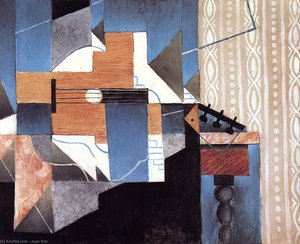
The Siphon
複製画サイズ一覧
Juan Gris's "The Siphon," created in 1913, stands as a pivotal work within the Synthetic Cubist movement. This oil on canvas (81 x 65 cm), currently residing at the Rose Art Museum, exemplifies Gris’s unique approach to abstraction – one that grounded itself in recognizable objects while dismantling traditional representational techniques. The painting depicts a commonplace kitchen scene—a vase, bottles, cups, and a chair—rendered through a fractured lens of geometric shapes and muted colors.
The artwork's power lies in its deliberate fragmentation. Gris doesn’t aim to depict the objects as they appear from a single viewpoint; instead, he presents them simultaneously from multiple perspectives, breaking them down into interlocking planes and geometric forms. This technique, characteristic of Synthetic Cubism, moves beyond the Analytical Cubism that preceded it by incorporating simpler shapes and flatter areas of color. The monochromatic palette—primarily blues, grays, and whites with subtle accents of red and brown—contributes to a sense of harmony and balance despite the apparent chaos of fragmented forms. Overlapping planes create an illusion of depth within the flattened picture plane, while sharply defined lines add dynamism and visual interest.
"The Siphon" emerged during a period of radical artistic experimentation in the early 20th century. Following the pioneering work of Pablo Picasso and Georges Braque in Analytical Cubism, Gris spearheaded the development of Synthetic Cubism. This new phase emphasized simplification, collage elements (though absent here), and a greater emphasis on color. Gris’s approach was notably more structured and mathematically precise than that of his contemporaries, reflecting his engineering background. He sought to create a rational order within abstraction, using geometric forms to construct a coherent visual language.
While seemingly depicting mundane objects—a kitchen still life—"The Siphon" transcends mere representation. The fragmentation of these familiar items invites viewers to reconsider their perception of reality. The geometric abstraction evokes a sense of intellectual engagement rather than purely emotional response. There's a quiet dignity in the way Gris elevates everyday objects to the realm of high art, transforming them into complex visual puzzles. The muted color palette and carefully balanced composition create an atmosphere of contemplative stillness, inviting viewers to pause and appreciate the beauty inherent in deconstructed form.
Juan Gris (1887-1927) was a Spanish painter who became a central figure in the Cubist movement. Born José Victoriano González-Pérez, he adopted the pseudonym Juan Gris and moved to Paris in 1906, where he encountered influential artists like Matisse, Braque, and Picasso. His unique contribution lay in his systematic approach to Cubism, emphasizing geometric precision and a more structured composition than many of his contemporaries. Other notable works by Gris include "Glass of beer and playing cards" and "Newspaper and Fruit Dish," further demonstrating his mastery of Synthetic Cubism and his ability to transform ordinary subjects into extraordinary works of art.
フアン・グリス作「The Siphon」は、Softly Mixed Paletteな色彩の調和を見せています。
原画のフアン・グリス作「The Siphon」は、サイズ81 x 65 cmのOil On Canvasによる作品です。技法およびサイズは原画の仕様を表しています。
Synthetic Cubism運動において、「The Siphon」はRecognizedの知名度を誇ります。

1887年3月23日、スペインのマドリードに、後にフアン・グリスとしてその名を世界に轟かせることになるホセ・ビクトリアーノ・ゴンサレス=ペレスが誕生しました。彼は14人もの子供たちに囲まれた、活気あふれる大家族の13番目の子として育ちました。実父のグレゴリオ・ゴンサレスは成功した実業家であり、スペインの首都マドリードで過ごした彼の形成期において、その豊かな家庭環境は揺るぎない精神的基盤を与えていたのです。
彼の初期の教育は、マドリード芸術科学学校での工学の学びに、技術的な転換点を迎えます。この時期に培われた構造的な論理思考は、後に彼の視覚芸術における作品の根底に、静かに、しかし力強く現れることになります。設計のメカニズムに没頭する一方で、彼の内側にはすでに創造的な衝動が芽生えていました。1904年から1905年にかけて、彼はアカデミックな画家であるホセ・モレノ・カルボネロのもとで絵画を学び、芸術家としての修行を本格的に開始します。この短くも重要な師事の期間は、彼の技術的な学問と、これから開花していく独自の視覚言語とを繋ぐ、重要な架け橋となりました。
1905年、彼は「フアン・グリス」という名を名乗ることで、自らのアイデンティティに劇的な変化をもたらします。この改名は、ホセ・ビクトリアーノ・ゴンサレス=ペレスという出自からの脱却を意味し、彼の人生における新たな方向性を指し示すものでした。彼は、工学という厳格な規律の世界から、より流動的でありながら、同時に比類なき構造美を秘めた「視覚的表現」という未知なる世界へと、その歩みを進めていったのです。
1906年、パリへの移住が彼の人生の舵を大きく切ることとなりました。1909年までに、彼はラヴィニャン通り13番地の「バト・ラヴォワール」に身を寄せていました。そこは絶え間ない動きと、芸術家たちが空間を分かち合う、熱気に満ちた場所でした。それまでの彼は風刺漫画家として活動していましたが、1911年頃、その関心は本格的に絵画へと傾き始めます。彼はイラストレーションの世界に別れを告げ、キャンバスへと向き合うことで、身の回りにある物体をより構造的に捉えるための新たな視覚的秩序を追い求めたのです。
パリのアートシーンにおける彼の存在が公式なものとなったのは、1912年のことでした。その年、彼はサロン・デ・アンデパンダンで初めて自身の作品を披露します。それは、表現豊かなファヴ派の性質から、断片化された論理を持つキュビスムへと、彼が急速な進化を遂げていた時期でもありました。彼の芸術的探求はフランスの枠を超え、バルセロナのギャラリー・ダルマウで開催されたキュビスム展にもその名を刻みます。また、1912年までにダニエル=アンリ・カーンワイラーと契約を結んだことは、絵画的な空間を再定義しようとする芸術家たちの円環において、彼の地位を揺るぎないものにしました。
フアン・グリスがキャンバスを構築していくプロセスには、ある種の数学的な論理が宿っています。彼の工学的なバックグラウンドは、幾何学的な形状や断片化された形態の扱い方に色濃く反映されており、構成に対して静かで計算し尽くされた精密さをもってアプローチしています。彼は単に物体を解体するのではなく、交差する一連の平面を通じて、それを再構築していくのです。初期のキュビスムに見られた混沌とした、砕け散るような抽象表現とは一線を画し、多くの作品において、より組織化され、読み解きやすい構造を選択している点も彼の大きな特徴です。この明晰さは、グレー、黒、白といった規律あるパレットを通じて表現され、見る者の視線を各形状の重みや配置へと強く引きつけます。
また、彼の指先は、日常生活の中に潜むテクスチャーを操ることに極めて長けていました。多くの人が見過ごしてしまうような素材を使いこなすヴィルトゥオーゾ(達人)であり、新聞紙や壁紙、あるいはその他の印刷物や既製品を、自身の構成の中に直接取り込んでいったのです。これらの断片を扱う際、彼は独自の技法を持っていました。異なる紙が交差する部分に黒い媒体を用いることで、継ぎ目を巧みに隠蔽したのです。この技法によって、彼は継ぎ目のない連続性という錯覚を生み出し、バラバラの断片の集まりではなく、あたかも単一の統一された表面であるかのように見せることに成功しました。時には、印刷された紙のパターンを慎重に整列させ、そのエッジが作品の中に溶け込んで消えてしまうよう、細心の注意を払って構成することさえあったのです。
1914年、光と物体がいかにして空間を占有するかという探求を示す花々、そしてサンブラインド(日よけ)といった作品が誕生しました。その後、1915年6月には、記念碑的な構成を持つラヴィニャン広場の開かれた窓の前にある静物が完成を見ます。この作品は、交差する平面を用いることで奥行きを構築し、見る者を構造化された静謐なシーンへと引き込みます。重なり合う形態は独特の秩序を生み出し、窓とその中にある物体は、鋭い幾何学的な角度の連続によって再構築されているのです。
その後の歳月は、より個人的な主題と複雑なテクスチャへの移行の時代でもありました。1916年10月には、ジョゼット・グリスの肖像が描かれ、規律ある、ほとんどモノクロームに近い視点を通して被写体が捉えられました。このアプローチは、不要な細部を削ぎ落とすことで、線のリズムそのものに焦点を当てています。その後、1919年にはテーブルの上のアルレキノーがキャンバスに異なるエネルギーをもたらし、キュビスム特有の断片化された言語を用いて情景を組織化しました。そして人生の終盤、1927年頃にはギターと楽譜が制作されました。それは、単純な形態の相互作用と、紙という素材が持つ触覚的な示唆に満ちた作品でした。
フアン・グリスは、思想が交錯し、視点が絶えず変容し続けるパリのアヴァンギャルドという、緊密なコミュニティの中でその足跡を刻んでいきました。彼の芸術の根底には、ポール・セザンヌが築き上げた礎があります。特に、形態と空間の背後にある構造を深く探求したセザンヌの手法は、グリスの表現に多大な影響を与えました。この知的なアプローチこそが、キュビスムという運動の先駆者たちと肩を並べ、彼自身の確固たる地位を確立するための鍵となったのです。彼は、パブロ・ピカソやジョルジュ・ブラックと同じ軌道を描きながら、キュビスムを牽引する三巨星の一人としてその名を刻みました。しかし、彼らが示す方向性に学びつつも、その歩みは決して単なる模倣ではありませんでした。グリスは、同時代の画家たちが試みた直感的な実験とは一線を画す、数学的な精密さをキャンバスにもたらしたのです。
当時の芸術家たちの関係性は、しばしば複雑な色を帯びていました。ピカソから深い影響を受けていたことは確かですが、両者の間には目に見えるほどの緊張感が漂っていたといいます。ある観察者は、ピカソが唯一「いなくなってほしい」と願った人物はグリスであったと記しており、そのエピソードは、当時の芸術界がいかに競争的で、熱を帯びたものだったかを物語っています。しかし、そのような葛藤を抱えながらも、グリスはこのジャンルの発展において欠かすことのできない中心的な存在であり続けました。彼はキュビスムを初期の分析的な段階から、後年の特徴となる、より構造化された「総合的キュビスム」へと押し上げる原動力となったのです。彼は単に先駆者たちの後を追ったのではなく、運動そのものを、より組織的で、読み解き可能な論理へと導く舵取り役を果たしたのです。
フアン・グリスは、単に先人たちが切り拓いた道を辿っただけの芸術家ではありませんでした。初期キュビスムが築き上げた基礎の上に立ちながらも、彼は同時代の画家たちが陥りがちだった断片的な抽象表現から脱却し、この芸術運動を全く新しい方向へと導いたのです。彼の描く絵画は、力強くグラフィカルな視覚的インパクトを放っており、ピカソやブラックの作品とは一線を画す独自の存在感を放っています。そこには、かつて学んだ工学の素養に由来する、計算し尽くされた明晰な構成美が宿っています。彼は単に物体を解体するのではなく、秩序と構造的な論理を持って、それらを再構築したのです。
彼の真の功績は、キュビスムを分析的な段階から、より「総合的」なアプローチへと転換させた点にあります。テクスチャやパターンを巧みに取り入れることで、彼は奥行きのある空間の錯覚を追うのではなく、キャンバスの平面性を強調する新たな視覚言語を定義しました。この手法によって、絵画という行為は、幾何学的な平面と色彩による精密な配置へと昇華されたのです。彼の作品は、断片化された要素と、全体としての調和のとれたデザインをいかに両立させるかという問いに対する、永遠の解答として今なお輝きを放っています。
フアン・グリスの芸術的足跡を辿るには、世界各地の主要な美術館を巡る旅が欠かせません。スペイン・マドリードでは、レイナ・ソフィア国立美術館が13点もの作品を所蔵しており、彼の芸術的発展を深く理解するための重要な拠点となっています。同じくマドリードのティッセン・ボルネミッサ美術館にも2つの傑作が収められています。これらのスペインのコレクションは、マドリードに根ざした彼の出自が、いかにして後年の急進的な構造へと変貌を遂げていったのかを物語っています。
彼の情熱が注がれたパリでの歳月を反映するように、作品の多くはフランスに今も息づいています。ポンピドゥー・センターには4点、オッターローのクレラー・ミュラー美術館には9点の作品が大切に保管されています。これらの展示室では、紙と絵具を幾重にも重ねることで生み出された奥行きや、テクスチャと色彩への飽くなき探求、そして幾何学的な形態が持つ鋭利なエッジを、間近で感じることができるでしょう。
さらに海を越えた大西洋の向こう側、アメリカのフィラデルフィア美術館にも3つの作品が収蔵されています。異なる環境下で彼の絵画を鑑賞することは、使用する素材によって、空間や光に対するアプローチがいかに変化したかを浮き彫りにします。壮大なスケールで迫る作品もあれば、日常の静かな静物配置に焦点を当てた繊細な作品もあり、その多様性に圧倒されるはずです。
静物:花のある静物 (1912年)
アニス・デル・モノの瓶 (1914年)
海の前にあるギター (1925年)
ジョゼット・グリス夫人への肖像 (1916年)
チェッカーボード (1915年)

1887 - 1927 , スペイン

Explore the profound evolution of Cubism through an expert analysis of Pablo Picasso's revolutionary works. From Analytical to Synthetic Cubism, discover the techniques that redefined modern art and learn how to curate these iconic masterpieces for your private collection.

Journey through the revolutionary world of Georges Braque. Explore 25 iconic Cubist masterpieces, from geometric abstractions to timeless still lifes. Find inspiration for your collection with museum-quality art reproductions. Discover all masterpieces on WahooArt.com.

Discover the profound legacy of Georges Braque. Our expert guide explores the evolution of Cubism, from Analytic deconstruction to Synthetic innovation, offering deep insights for discerning art collectors and connoisseurs of modern masterpieces.

Master the complexities of Cubist composition with our expert guide. Explore analytical techniques, geometric deconstruction, and the art of simultaneous perspective to deepen your appreciation for this avant-garde movement.

Compare the Analytic and Synthetic phases of Cubism and explore the key artists who revolutionized 20th-century art
 設置イメージを表示
 シェアする
シェアする シェアする
シェアする
 詳細を見る
詳細を見る ガイドを表示

 ダウンロード
 似ている作品
 X線調査
X線調査 スライドショーを表示
 Q&A
Q&A
 統計情報
統計情報

 詳細を表示
詳細を表示









 ガラスオプションは、110cm未満のサイズでのみご利用いただけます。