
当社のアーティストが、お客様のご希望のサイズと額縁に合わせて、キャンバスに手描きで制作する油彩画です。 ( プリント版に切り替え デジタル画像販売へ切り替え)
作品のオリジナル比率に合わせた、当店の規定サイズからお選びください。

フレームや壁のスペースに合わせて、ご希望の幅と高さを入力してください。本作品は手描きのため、異なる比率のサイズをご希望の場合、絵画の周囲を少し広げて描くか、あるいは端を少しカットして調整することが可能です。お客様のご要望に合わせます。制作を開始する前に、仕上がりを確認するためのデジタルモックアップをお送りいたします。このページに表示されている画像は完成品の実物ではなく、あくまでモックアップによるイメージです。
Harlequin
複製画サイズ一覧
Juan Gris’ “Harlequin,” completed in 1918, stands as a cornerstone of Cubist art and embodies the anxieties inherent within the burgeoning modernist movement. More than just a depiction of a theatrical character—a nod to the enduring traditions of Commedia dell’arte—the sculpture delves into profound questions about perception, representation, and the disintegration of traditional artistic conventions.
Gris’ masterful manipulation of geometric forms is immediately striking. The figure isn't rendered in a conventional manner; instead, it’s constructed from interlocking planes—primarily rectangular blocks—that overlap and intersect to suggest volume without resorting to realistic shading. This technique, pioneered by Picasso and Cézanne before him, deliberately rejects illusionistic depth, prioritizing intellectual analysis over visual accuracy. Lines are crisp and angular, defining the edges of these planes with unwavering precision – a characteristic that reflects the Cubist preoccupation with dissecting objects into their constituent parts.
The color palette is deliberately muted, dominated by shades of grey, brown, and green. These earthy tones contribute to an atmosphere of solemn contemplation and subtly convey a sense of isolation. Hints of blue and gold appear sparingly, adding visual interest without disrupting the overall tonal harmony. The surface texture appears smooth due to photographic reproduction; however, Gris’ original bronze sculpture would have possessed a matte finish—a deliberate choice that reinforces the artwork's textural ambiguity.
"Harlequin with a Guitar" emerged during a period of intense intellectual ferment in Europe. The aftermath of World War I instilled a pervasive feeling of disillusionment and uncertainty, prompting artists to question established norms and explore new modes of expression. Cubism responded directly to this zeitgeist by rejecting academic idealism and embracing the fragmented perspective—a visual metaphor for the fractured realities experienced during the postwar era. As noted in Wikipedia, “Like many European artists before them, Cubists often depicted Harlequin, a stock character in the Italian commedia dell’arte…”
The sculpture's symbolism transcends mere visual depiction. The figure embodies the Cubist ethos of dismantling preconceived notions and challenging viewers to reconsider their understanding of form and space. It evokes a feeling of alienation—a characteristic theme within modernist art—and invites contemplation on the complexities of human experience. Gris’ deliberate abstraction serves as a powerful reminder that art can communicate emotion and intellect without relying solely on visual realism.
A high-quality reproduction of “Harlequin” captures the essence of Gris’ groundbreaking vision. Offered by The Metropolitan Museum of Art and National Gallery of Art, this artwork exemplifies the enduring appeal of Cubist art—its intellectual rigor combined with its evocative aesthetic qualities. Explore the beauty and depth of this iconic piece.
フアン・グリス作「Harlequin」の明るさはbrilliant、輝度はLuminousと記録されています。
フアン・グリス作「Harlequin」のX線解析ページは、X線写真のような表示を含む、作品画像の11層にわたる光学レイヤーをスライドして閲覧できるインタラクティブ・ビューアです。
いいえ、作品は国外に保管されています。フアン・グリスの出生国はスペインであり、「Harlequin」の真作を収蔵している美術館はアメリカ合衆国にあります。

1887 - 1927 , スペイン
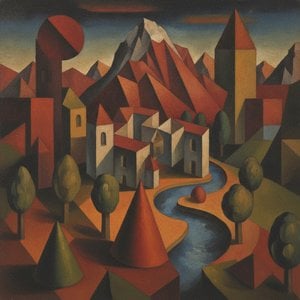
Explore the profound evolution of Cubist landscapes. Discover how masters like Braque and Picasso redefined perspective through geometric mastery, transforming nature into an intellectual mosaic of form and light for the discerning modern art collector.

Master the nuances of Giclée printing with our expert guide. Discover how pigment-based inks and museum-grade substrates create fade-resistant, high-fidelity art reproductions designed for discerning collectors seeking unparalleled quality and longevity.

Explore the profound evolution of Cubist still life, from Cézanne's structural foundations to the fragmented brilliance of Braque and Léger. Discover how geometric abstraction redefined reality through a sophisticated lens of form, color, and modern artistic mastery.


 送る
送る シェア
シェア
 詳細情報
詳細情報 ガイドを表示

 画像をダウンロード
 似ている作品
 スライドショー
 Q&A
Q&A 統計情報
統計情報


 続きを読む
続きを読む






































 ガラスオプションは、110cm未満のサイズでのみご利用いただけます。


