
 Acrylic On CanvasWallArtRealism
 1915
1915 71.0 x 91.0 cm
オンラインプレビューをはるかに凌ぐ、高解像度で鮮明なデジタル画像をご購入いただけます。
各ファイルは、社内の専門家が高度なツールと熟練した手作業によるレタッチを用いて、細心の注意を払って準備されています。すべての画像において、卓越した鮮明度、正確な色彩再現性、そして繊細なディテールを保証いたします。
最終ファイルは、プロフェッショナルな編集・印刷環境ですぐにご利用いただけるよう最適化された状態で、72時間以内にメールにてお届けいたします。これは、一流のデザインスタジオ、出版社、ギャラリーから信頼されているものと同等の品質です。
個人での鑑賞、印刷、クリエイティブなプロジェクト用に、高解像度ファイルをダウンロードできます。 ( プリント版に切り替え 手描きの絵画を購入)
WahooArt.com を選ぶことは、単に画像を手に入れることではありません。それは、プロの手によって精密に仕上げられ、満足保証が付いた高品質なデジタルアートワークを受け取ることを意味します。ご注文いただいた際に自動的に付随する内容は、以下の通りです:

ご注文から72時間以内に、高解像度のデジタル画像ファイルがメールでお手元に届きます。すぐにそのままご利用いただけます。

お客様の作品は、高度なAIツールと専門家による手作業の編集を組み合わせてプロフェッショナルに最適化されており、細部のディテール、鮮明さ、そして正確な色再現性を最大限に引き出しています。

ファイルを誤って削除したり、紛失してしまったりしましたか?ご安心ください。いつでも無料で再送いたします。

関税や手数料、配送料を気にすることなく、お気に入りのアートワークをすぐにお楽しみいただけます。デジタルダウンロードは常に免税です。

プロ仕様のツールとカラーマネジメント技術を用いることで、デジタル画像が元の色を最大限に忠実に再現することを保証いたします。

ご購入いただいたデジタル画像にご満足いただけない場合は、100日以内であれば、理由を問わず修正または100%の返金対応をさせていただきます。

ご満足いただけない場合は、デジタルファイルを受け取ってから100日以内であれば、理由を問わず全額返金いたします。

3枚購入で10%OFF - 5枚購入で15%OFF - 10枚以上購入で20%OFF。クリエイティブなプロジェクト、ギャラリー、エージェンシーに最適です。
John Singer Sargent’s “Graveyard in the Tyrol,” painted in 1915, is more than just a picturesque landscape; it's a profoundly moving exploration of human suffering amidst the brutal realities of World War I. This watercolor masterpiece, measuring 71 x 91 cm, captures a stark and unsettling scene – a snow-dusted graveyard nestled within the majestic Austrian Alps – yet its emotional resonance transcends mere topographical representation. Sargent’s genius lies in his ability to imbue this seemingly tranquil setting with an undercurrent of profound sorrow and a poignant commentary on the devastating impact of modern warfare.
Created during a period of immense global upheaval, “Graveyard in the Tyrol” reflects Sargent’s personal experience and artistic response to the war. The artist had been commissioned by Britain to document the efforts of American and British troops, but quickly abandoned his initial assignment – a grand frieze depicting the joint forces – recognizing its inadequacy to convey the true scale of the conflict. Instead, he chose to focus on the human cost, specifically the horrific effects of chemical warfare. This decision was deeply influenced by Sargent’s own grief; his beloved niece, Rose-Marie Ormond, had been tragically killed in a bombing raid during the war, and her husband, Robert, also perished fighting for France. The painting is therefore imbued with a palpable sense of loss and mourning, transforming a simple landscape into a powerful symbol of personal tragedy.
Sargent’s masterful technique is immediately apparent in the meticulous detail with which he renders the scene. The sharp contrasts between light and shadow – particularly evident in the snow-covered mountains and the somber figures – heighten the dramatic effect. The composition itself is carefully constructed, utilizing a frieze-like arrangement to emphasize the scale of the devastation. The orderly procession of wounded soldiers, led by a figure shrouded in darkness, creates a sense of both vulnerability and resilience. Notice the subtle use of color; muted blues, grays, and whites dominate, reflecting the bleakness of the landscape and the emotional weight of the subject matter. The inclusion of birds soaring overhead adds a layer of melancholy, suggesting a world disrupted and devoid of natural harmony.
“Graveyard in the Tyrol” is not simply a depiction of a physical location; it’s a potent symbol of human suffering and the enduring consequences of war. The graveyard itself represents mortality and remembrance, while the wounded soldiers embody the immense loss of life. Sargent's decision to depict these figures with such sensitivity – avoiding sensationalism or glorification – elevates the painting beyond a mere historical record. It stands as a timeless meditation on grief, resilience, and the enduring human spirit in the face of unimaginable adversity. The painting’s legacy extends beyond its artistic merit; it serves as a poignant reminder of the devastating impact of war and the importance of peace.
To delve deeper into John Singer Sargent's life and work, consider exploring related resources such as The Metropolitan Museum of Art’s perspective on his World War I paintings or detailed analyses of his artistic techniques. For a unique opportunity to own a high-quality reproduction of “Graveyard in the Tyrol,” explore options at Global Gallery, where you can commission a bespoke print or canvas.

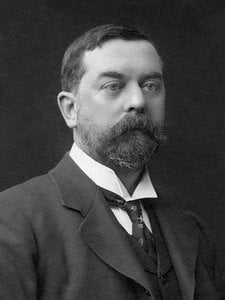
1856 - 1925 , イタリア


 プレビュー
プレビュー
 シェアする
シェアする シェアする
シェアする
 詳細を見る
詳細を見る ガイド
ガイド

 ダウンロード
 似ている作品
 X線調査
X線調査 スライドショー
 統計情報
統計情報 詳細を見る
詳細を見る


