
 Acrylic On CanvasWallArtRealism
 1915
1915 71.0 x 91.0 cm
当社のアーティストが、お客様のご希望のサイズと額縁に合わせて、キャンバスに手描きで制作する油彩画です。 ( プリント版に切り替え デジタル画像販売へ切り替え)





























作品のオリジナル比率に合わせた、当店の規定サイズからお選びください。

特定のフレームやスペースに合わせて、ご希望のサイズをご入力いただけます。選択されたサイズが元の画像の比率と異なる場合、アートワークをトリミングするか、手描きで要素を追加して絵画を拡張いたします。デジタルモックアップ を制作し、制作開始前にご確認(承認)をいただきます。
画面上のプレビューは、実際のトリミングや拡張を正確に反映しているものではありません。最終的な構図は、モックアップによってのみ正確にご確認いただけます。
カスタムサイズもご利用いただけますが、元の比率を維持するためには、あらかじめ用意されたリストからサイズを選択することをお勧めいたします。

Graveyard in the Tyrol
複製画のサイズ
John Singer Sargent’s “Graveyard in the Tyrol,” painted in 1915, is more than just a picturesque landscape; it's a profoundly moving exploration of human suffering amidst the brutal realities of World War I. This watercolor masterpiece, measuring 71 x 91 cm, captures a stark and unsettling scene – a snow-dusted graveyard nestled within the majestic Austrian Alps – yet its emotional resonance transcends mere topographical representation. Sargent’s genius lies in his ability to imbue this seemingly tranquil setting with an undercurrent of profound sorrow and a poignant commentary on the devastating impact of modern warfare.
Created during a period of immense global upheaval, “Graveyard in the Tyrol” reflects Sargent’s personal experience and artistic response to the war. The artist had been commissioned by Britain to document the efforts of American and British troops, but quickly abandoned his initial assignment – a grand frieze depicting the joint forces – recognizing its inadequacy to convey the true scale of the conflict. Instead, he chose to focus on the human cost, specifically the horrific effects of chemical warfare. This decision was deeply influenced by Sargent’s own grief; his beloved niece, Rose-Marie Ormond, had been tragically killed in a bombing raid during the war, and her husband, Robert, also perished fighting for France. The painting is therefore imbued with a palpable sense of loss and mourning, transforming a simple landscape into a powerful symbol of personal tragedy.
Sargent’s masterful technique is immediately apparent in the meticulous detail with which he renders the scene. The sharp contrasts between light and shadow – particularly evident in the snow-covered mountains and the somber figures – heighten the dramatic effect. The composition itself is carefully constructed, utilizing a frieze-like arrangement to emphasize the scale of the devastation. The orderly procession of wounded soldiers, led by a figure shrouded in darkness, creates a sense of both vulnerability and resilience. Notice the subtle use of color; muted blues, grays, and whites dominate, reflecting the bleakness of the landscape and the emotional weight of the subject matter. The inclusion of birds soaring overhead adds a layer of melancholy, suggesting a world disrupted and devoid of natural harmony.
“Graveyard in the Tyrol” is not simply a depiction of a physical location; it’s a potent symbol of human suffering and the enduring consequences of war. The graveyard itself represents mortality and remembrance, while the wounded soldiers embody the immense loss of life. Sargent's decision to depict these figures with such sensitivity – avoiding sensationalism or glorification – elevates the painting beyond a mere historical record. It stands as a timeless meditation on grief, resilience, and the enduring human spirit in the face of unimaginable adversity. The painting’s legacy extends beyond its artistic merit; it serves as a poignant reminder of the devastating impact of war and the importance of peace.
To delve deeper into John Singer Sargent's life and work, consider exploring related resources such as The Metropolitan Museum of Art’s perspective on his World War I paintings or detailed analyses of his artistic techniques. For a unique opportunity to own a high-quality reproduction of “Graveyard in the Tyrol,” explore options at Global Gallery, where you can commission a bespoke print or canvas.


1856 - 1925 , イタリア
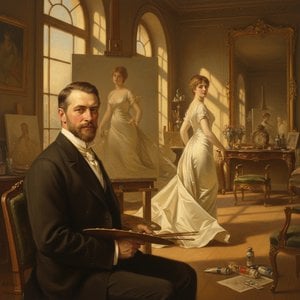
Discover the luminous mastery of John Singer Sargent. Explore an expert analysis of his legendary light, Gilded Age elegance, and technical brilliance, perfect for fine art enthusiasts seeking to bring timeless classical beauty into their modern collections.

Discover the breathtaking elegance of John Singer Sargent's masterpieces. From iconic Gilded Age portraits to impressionistic landscapes, explore the technical brilliance and timeless allure of this American master through our premium, hand-painted fine art reproductions.


 プレビュー
プレビュー
 シェアする
シェアする シェアする
シェアする
 詳細を見る
詳細を見る ガイド
ガイド

 ダウンロード
 似ている作品
 X線調査
X線調査 スライドショー
 統計情報
統計情報 詳細を見る
詳細を見る









 ガラスオプションは、110cm未満のサイズでのみご利用いただけます。


