
迅速な制作と多彩な仕上げオプションを備えた、ミュージアムクオリティのジークレーまたはキャンバスプリント。 ( 手描きの絵画を購入 デジタル画像販売へ切り替え)





























作品のオリジナル比率に合わせた、当店の規定サイズからお選びください。

特定のフレームやスペースに合わせて、ご自身でサイズを指定することも可能です。選択されたサイズが元の画像の比率と一致しない場合、作品をトリミングするか、鏡面反射または単色での塗りつぶしによって画像を拡張いたします。制作を開始する前に、ご確認用のデジタルモックアップをお送りいたします。
画面上のプレビューには、実際のトリミングや拡張は反映されませんのでご注意ください。最終的な構図を正確に確認できるのは、モックアップのみとなります。
カスタムサイズも承っておりますが、元の比率を維持するためには、あらかじめ用意されたリストからサイズを選択することをお勧めいたします。

スコッチ・デイ・アット・ケンネディウッド
複製画のサイズ

Born in West Calder, Scotland, in 1860, John Kane’s artistic journey was anything but conventional. His early life, marked by the loss of his father and a move to America following his stepfather's footsteps, instilled within him a resilience and an observant eye for the world around him. He began working as a gandy dancer on the B&O Railroad at age 19, a physically demanding role that exposed him to the rhythms of industry and the stark beauty of the American landscape – particularly the burgeoning steel towns of Western Pennsylvania.
Kane’s artistic development wasn't a sudden revelation but rather a gradual unfolding. A devastating accident in 1891, which resulted in the amputation of his left leg, led him to seek employment with the Pressed Steel Car Company in McKees Rocks. It was here, amidst the clang and hiss of machinery, that he began sketching on discarded boards – initially as a means of passing the time during his lunch breaks. These early sketches, filled with an almost childlike directness, captured the essence of his surroundings: the towering smokestacks, the gritty streets, and the hardworking men who shaped the region’s industrial heart.
Kane's style quickly evolved into what is now recognized as “Naïve” or “Primitive” art. His paintings lacked the meticulous detail and illusionistic perspective of academic traditions, instead prioritizing direct observation and emotional expression. He employed a limited palette – predominantly blues, greens, browns, and ochres – to create atmospheric landscapes that felt both immediate and timeless. Crucially, Kane’s work was rooted in his lived experience; he wasn't striving for photographic realism but rather distilling the *feeling* of a place, capturing its spirit with an unpretentious honesty.
His subjects were largely drawn from the industrial landscape of Pittsburgh and Scotland – scenes of rural life, religious architecture, and glimpses into everyday existence. He frequently depicted St. John’s College, a prominent landmark in his hometown, alongside other churches and historical buildings, imbuing them with a sense of quiet dignity and spiritual resonance. These paintings weren't merely representations; they were imbued with a deep personal connection to the places and people he observed.
Despite exhibiting at the prestigious Carnegie International Exhibition in 1927, Kane’s work initially faced skepticism and dismissal. The prevailing artistic establishment struggled to accept an untrained artist who had seemingly emerged from nowhere. However, a pivotal moment arrived when painter Andrew Dasburg championed his talent, persuading the jury to include Kane's “Scene in the Scottish Highlands” in the exhibition. This recognition sparked widespread media attention, transforming Kane into an overnight sensation – and inadvertently paving the way for other self-taught artists to gain wider acceptance.
Following this breakthrough, Kane’s work began to be exhibited in major museums across America and Europe, including the Museum of Modern Art in New York. His paintings, characterized by their raw emotion, simple forms, and evocative use of color, resonated with audiences who appreciated his unique vision and unwavering commitment to capturing the essence of his subjects.
John Kane’s legacy extends far beyond his individual artistic achievements. He stands as a testament to the power of observation and the possibility of artistic expression regardless of formal training or social status. His work profoundly influenced later generations of artists, particularly those associated with the Outsider Art movement, demonstrating that beauty and meaning can be found in unexpected places – and through unconventional means.
Today, Kane’s paintings are treasured for their honesty, emotional depth, and ability to transport viewers back in time to a rapidly changing industrial landscape. His story serves as an enduring reminder of the importance of embracing individuality and pursuing one's artistic passions with unwavering conviction. His work continues to be exhibited and studied, solidifying his place as a significant figure in 20th-century art.

1860 - 1934 , United Kingdom
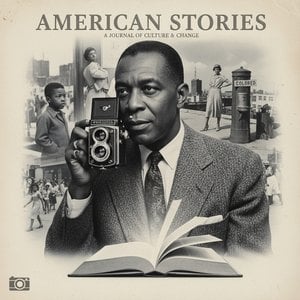
Explore the profound work of Gordon Parks, a groundbreaking photographer who documented American life with unparalleled empathy and artistry. Discover his iconic images & lasting impact on social justice through Life magazine & beyond.

Explore the luminous beauty of American Impressionism and the Hudson River School. Discover a curated journey through light, landscape, and history, celebrating the enduring legacy of masters through exquisite, hand-painted oil reproductions for the discerning art lover.

Explore the rich history & techniques of oil painting – from Renaissance masters to Impressionism. Discover pigments, layering methods, and why this timeless medium endures. Expert insights for artists & art enthusiasts.

Explore the captivating world of Frederick Childe Hassam, a pioneer of American Impressionism. Discover his iconic paintings capturing light, urban life & coastal beauty. Learn about his legacy and influence on American art history.

Explore the captivating world of American Impressionism! Discover key artists, techniques & its lasting impact on art history. Find museum-quality reproductions and expert guidance at WahooArt.


 プレビュー
プレビュー
 シェアする
シェアする シェアする
シェアする
 詳細を見る
詳細を見る

 ダウンロード
 似ている作品
 X線調査
X線調査 スライドショー
 統計情報
統計情報


 詳細を見る
詳細を見る









 ガラスオプションは、110cm未満のサイズでのみご利用いただけます。


