アート相談を無料で

x
手描き複製画を注文する 手描き複製画を注文する画像を 購入する 画像を 購入する シェアするシェアする
詳細を見る詳細を見る お気に入りに追加 お気に入りに追加 ダウンロードダウンロード 似ている作品似ている作品 X線X線 スライドショースライドショー

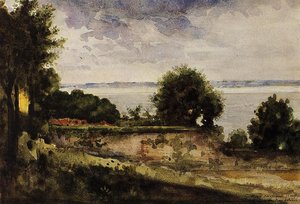
Polyphème

Explore Gustave Moreau’s captivating “Polyphème,” a Symbolist masterpiece depicting the Cyclops lost in thought. Discover its rich symbolism, dramatic composition & emotional depth – a unique art investment.

19世紀フランス象徴主義を代表するギュスターヴ・モロー(1826-1898)。「サロメ」に象徴される神話や聖書の物語を、豪華絢爛な色彩と幻想的な世界観で表現。マティスやルオーらに影響を与えた巨匠の作品を Musée Gustave Moreau で堪能してください。

ジークレー/アートプリント

迅速な制作と多彩な仕上げオプションを備えた、ミュージアムクオリティのジークレーまたはキャンバスプリント。

P118B $10
P118H $10
P118W $10
P438Z $10
P508JH $12
P508YH $12
P805H $10
P805Z $10
P919BZ $10
P919G $10
P919XJ $10
P959ZH $10
P968JZ $12
W106C $8
W218G $10
W218JH $8
W218Y $10
W307PJ $10
W316G $10
W316PJ $8
W316Y $10
W398PJ $8
W4111J $10
W500HY $15
W500JH $15
W692G $12
W849H $8
W940BG $15
W953PJ $8

Standard
custom
CM
INCH

作品のオリジナル比率に合わせた、当店の規定サイズからお選びください。

高さ

特定のフレームやスペースに合わせて、ご自身でサイズを指定することも可能です。選択されたサイズが元の画像の比率と一致しない場合、作品をトリミングするか、鏡面反射または単色での塗りつぶしによって画像を拡張いたします。制作を開始する前に、ご確認用のデジタルモックアップをお送りいたします。
画面上のプレビューには、実際のトリミングや拡張は反映されませんのでご注意ください。最終的な構図を正確に確認できるのは、モックアップのみとなります。
カスタムサイズも承っておりますが、元の比率を維持するためには、あらかじめ用意されたリストからサイズを選択することをお勧めいたします。

世界中への配送()は、標準の4〜5週間ではなく、2週間でお届けいたします。(3 7月)

why_choose_icon
世界中へ無料エクスプレス配送
why_choose_icon
高品質なリネンキャンバス
why_choose_icon
配送時完全保険付
why_choose_icon
関税・輸入税の払い戻し保証
why_choose_icon
忠実な色彩再現保証
why_choose_icon
60日間返品保証(製造上の欠陥のみ)
why_choose_icon
100% 全額返金保証
why_choose_icon
まとめ買い割引のご案内

合計金額

-

reproduction

Polyphème

ジークレー/アートプリント

複製画のサイズ

-

合計金額

-

作品詳細

  • Artistic style: Dreamlike, evocative imagery
  • Influences: Eugène Delacroix
  • Movement: Symbolism
  • Artist: Gustave Moreau
  • Location: Musée Gustave Moreau
  • Subject or theme: Isolation, introspection

アート・クイズ

各質問の正解は1つだけです。

問題 1:
Gustave Moreau’s “Polyphème” is most closely associated with which artistic movement?
問題 2:
What distinguishes Moreau’s depiction of Polyphème from traditional portrayals found in Homer's *Odyssey*?
問題 3:
Which painting technique does Moreau employ to create texture and visual richness in “Polyphème”?
問題 4:
The waterfall in 'Polyphème' can be interpreted as a symbol of:
問題 5:
Gustave Moreau’s work significantly influenced which later artists?

作品詳細説明

A Realm of Solitude: Unveiling Gustave Moreau’s “Polyphème”

Gustave Moreau's “Polyphème” is not simply a depiction of the one-eyed giant from Homer’s *Odyssey*; it is an immersive journey into the heart of Symbolist aesthetics, a profound meditation on isolation, and a testament to the power of subjective experience. Painted during a period where artists were actively rebelling against the constraints of Realism and Naturalism, Moreau crafts a scene that transcends mere illustration, instead offering a deeply psychological portrait of a mythological figure reimagined as a symbol of human introspection.

The Weight of Thought and the Majesty of Nature

Moreau deliberately departs from traditional portrayals of Polyphème as a brutish antagonist. Here, the Cyclops is not engaged in conflict but lost in quiet contemplation, seated upon a rugged outcrop overlooking a dramatic waterfall. This shift in narrative focus reframes the giant—a figure typically associated with monstrous strength—as a melancholic being burdened by thought and circumstance. The sheer scale of the natural world surrounding him emphasizes his solitude; he is dwarfed by the cascading water and imposing rocks, utterly alone with his inner turmoil. The composition itself reinforces this sense of dramatic isolation, utilizing a strong vertical orientation that accentuates both Polyphème’s stature and the overwhelming power of nature. The loose, gestural brushstrokes contribute to a feeling of movement and instability, mirroring the turbulent emotions suggested by the scene.

A Masterful Technique: Impasto and Subdued Tones

Moreau's technical prowess is evident in his masterful use of oil paint. He employs an impasto technique—layering thick textures onto the canvas—creating a rough, uneven surface that enhances the painting’s visual richness and invites the viewer to engage with its tactile qualities. This isn’t a smooth, polished depiction; it's a visceral experience. The color palette is deliberately subdued, relying on tonal variations to create depth and atmosphere. Strategically placed shadows emphasize Polyphème’s form, drawing attention to his imposing physique while simultaneously hinting at the darkness within. This careful manipulation of light and shadow contributes significantly to the painting’s overall mood of melancholy and contemplation.

Symbolism and Legacy: Echoes of Mythology

The symbolism woven throughout “Polyphème” is rich and multi-layered. The waterfall, a central element of the composition, can be interpreted as representing both the life-giving force of nature and its destructive potential—a constant flow embodying the relentless passage of time and the cyclical nature of existence. Polyphème himself embodies introspection, perhaps even regret. He isn’t presented as a threat but as a figure weighed down by thought. Moreau frequently drew inspiration from mythology, not to simply retell ancient stories, but to explore universal themes of human psychology and spirituality. As a leading figure in the Symbolist movement, Moreau profoundly influenced later generations of artists, including Henri Matisse and Georges Rouault, solidifying his place as one of the most important painters of his time. His museum in Paris stands as a testament to his unique artistic vision, offering an immersive experience into his captivating world.

An Emotional Resonance for Contemporary Spaces

“Polyphème” evokes a powerful emotional response—a sense of melancholy, contemplation, and awe. Its dramatic composition and evocative imagery make it a compelling focal point for any interior space. The subdued color palette lends itself well to both traditional and contemporary settings, adding depth and sophistication. This artwork is particularly suited for libraries or studies, fostering an atmosphere of quiet reflection. It complements interiors with rich textures and muted tones, adding a touch of intellectual gravitas and artistic refinement. More than just a visual experience, “Polyphème” invites viewers to delve into the depths of human emotion and the mysteries of the imagination.

関連作品


アーティストの略歴

Gustave Moreau (1826 - 1898)

Gustave Moreau, a name synonymous with the ethereal beauty and enigmatic depths of Symbolist painting, emerged from 19th-century Paris as a singular artistic voice. Born in 1826 into a bourgeois family—his father an architect and archivist—Moreau’s early life was steeped in intellectual curiosity and aesthetic sensibility. From a young age, he displayed a remarkable gift for drawing, nurtured through traditional academic training at the École des Beaux-Arts under figures like François-Édouard Picot. However, Moreau's artistic path would diverge sharply from the prevailing Realist and Impressionist currents of his time. He wasn’t interested in capturing fleeting moments or objective reality; instead, he sought to unlock the hidden realms of myth, religion, and the human psyche through a deeply personal and symbolic visual language. His journey was one of inward exploration, translating subjective emotions and spiritual yearnings onto canvas with an obsessive attention to detail and a vibrant, often opulent palette.

Early Influences and Artistic Training

Moreau’s artistic development wasn't born in a vacuum. While rejecting the dominant trends of his era, he drew inspiration from diverse sources. The dramatic use of color and exotic subject matter found in the works of Eugène Delacroix ignited a passion for narrative painting imbued with emotional intensity—a fascination that would define much of his oeuvre. He particularly admired Michelangelo’s monumental sculptures and Leonardo da Vinci’s masterful anatomical drawings, recognizing their profound impact on artistic technique and psychological insight. Moreau's formal training at the École des Beaux-Arts solidified these influences, equipping him with the skills necessary to execute ambitious projects and forge a distinctive visual style. However, he quickly distinguished himself from his peers by prioritizing imaginative exploration over mere replication of nature—a decision that would propel him toward the forefront of Symbolist painting.

The Italian Journey: Rediscovering Antiquity

Between 1857 and 1859, Moreau embarked on a transformative voyage to Italy—a pilgrimage fueled by an ardent desire to reconnect with the artistic heritage of antiquity and the Renaissance. Guided by his mentor Frédéric de Courcy, he immersed himself in the art of Rome and Florence, meticulously copying Old Master paintings and studying architectural ruins. This experience profoundly shaped his artistic sensibilities, fostering a fascination for Byzantine iconography and inspiring him to synthesize classical and medieval traditions into a wholly original visual language. Moreau’s meticulous observation and unwavering dedication to craft—traits that would characterize his entire career—were honed during this formative period, preparing him for the monumental achievements that lay ahead.

Salome Dancing Before Herod: A Symbolist Masterpiece

Moreau's artistic breakthrough arrived in 1864 with *Salome Dancing before Herod*, a painting that instantly established his reputation as a visionary artist and cemented his place among the pioneers of Symbolism. Departing radically from the conventions of academic art, Moreau presented a dramatic depiction of the biblical tale—not as a literal recounting of events, but as an exploration of psychological complexities and symbolic resonances. The composition is strikingly asymmetrical, mirroring the fractured psyche of Salome—a figure embodying sensual desire and moral ambiguity—and reflecting the unsettling interplay between light and shadow. Moreau’s masterful use of color—particularly crimson and gold—creates an atmosphere of opulent grandeur and underscores the painting's spiritual dimension. He employed a technique characterized by painstaking layering of paint, achieving remarkable textural detail and capturing the elusive beauty of the human form with unparalleled precision.

Legacy and Influence: Shaping Modern Art

Though initially met with skepticism from some critics, Moreau’s work gained recognition in subsequent decades—particularly after the resurgence of interest in Symbolism during the 1960s and 70s. His influence extended far beyond the confines of his own time, inspiring artists across generations—including Henri Matisse and Georges Rouault—to embrace imaginative exploration and challenge conventional artistic norms. Moreau championed the notion that painting should strive to evoke emotion and convey spiritual truths—a conviction that resonated deeply with the existential anxieties of the 20th century. His unwavering commitment to craft—combined with his profound understanding of mythology and psychology—established him as a pivotal figure in the history of art—a testament to the enduring power of Symbolist painting and its capacity to illuminate the complexities of human experience. Gustave Moreau’s legacy continues to inspire artists today, reminding us that true artistic achievement lies not merely in technical virtuosity but in the ability to capture the essence of the soul and transform vision into tangible form.
ゴスタヴ・モロー

ゴスタヴ・モロー

1826 - 1898 , フランス

基本情報

  • Artistic Movement Or Style: シンボリズム
  • Artists Who Influenced This Artist:
    • エウゲニオ・デルラクロワール
    • ミケランジェロ
    • レオナルド・ダ・ヴィンチ
  • Date Of Birth: 1826年4月6日
  • Date Of Death: 1898年4月18日
  • Full Name: Gustave Moreau
  • Nationality: フランス人
  • Notable Artworks:
    • ソロモンの踊り før ヘロドス
    • ユピテルのセメレ
    • オレアフス
    • 出現
    • デスメドナ
  • Place Of Birth: パリ、フランス
テーマ、スタイル、特徴別に分類された作品を探索しましょう。