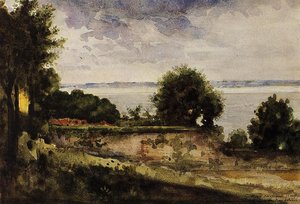
当社のアーティストが、お客様のご希望のサイズと額縁に合わせて、キャンバスに手描きで制作する油彩画です。 ( プリント版に切り替え デジタル画像販売へ切り替え)





























作品のオリジナル比率に合わせた、当店の規定サイズからお選びください。

フレームや壁のスペースに合わせて、ご希望の幅と高さを入力してください。本作品は手描きのため、異なる比率のサイズをご希望の場合、絵画の周囲を少し広げて描くか、あるいは端を少しカットして調整することが可能です。お客様のご要望に合わせます。制作を開始する前に、仕上がりを確認するためのデジタルモックアップをお送りいたします。このページに表示されている画像は完成品の実物ではなく、あくまでモックアップによるイメージです。
Polyphème
複製画サイズ一覧
Gustave Moreau's “Polyphème” is not simply a depiction of the one-eyed giant from Homer’s *Odyssey*; it is an immersive journey into the heart of Symbolist aesthetics, a profound meditation on isolation, and a testament to the power of subjective experience. Painted during a period where artists were actively rebelling against the constraints of Realism and Naturalism, Moreau crafts a scene that transcends mere illustration, instead offering a deeply psychological portrait of a mythological figure reimagined as a symbol of human introspection.
Moreau deliberately departs from traditional portrayals of Polyphème as a brutish antagonist. Here, the Cyclops is not engaged in conflict but lost in quiet contemplation, seated upon a rugged outcrop overlooking a dramatic waterfall. This shift in narrative focus reframes the giant—a figure typically associated with monstrous strength—as a melancholic being burdened by thought and circumstance. The sheer scale of the natural world surrounding him emphasizes his solitude; he is dwarfed by the cascading water and imposing rocks, utterly alone with his inner turmoil. The composition itself reinforces this sense of dramatic isolation, utilizing a strong vertical orientation that accentuates both Polyphème’s stature and the overwhelming power of nature. The loose, gestural brushstrokes contribute to a feeling of movement and instability, mirroring the turbulent emotions suggested by the scene.
Moreau's technical prowess is evident in his masterful use of oil paint. He employs an impasto technique—layering thick textures onto the canvas—creating a rough, uneven surface that enhances the painting’s visual richness and invites the viewer to engage with its tactile qualities. This isn’t a smooth, polished depiction; it's a visceral experience. The color palette is deliberately subdued, relying on tonal variations to create depth and atmosphere. Strategically placed shadows emphasize Polyphème’s form, drawing attention to his imposing physique while simultaneously hinting at the darkness within. This careful manipulation of light and shadow contributes significantly to the painting’s overall mood of melancholy and contemplation.
The symbolism woven throughout “Polyphème” is rich and multi-layered. The waterfall, a central element of the composition, can be interpreted as representing both the life-giving force of nature and its destructive potential—a constant flow embodying the relentless passage of time and the cyclical nature of existence. Polyphème himself embodies introspection, perhaps even regret. He isn’t presented as a threat but as a figure weighed down by thought. Moreau frequently drew inspiration from mythology, not to simply retell ancient stories, but to explore universal themes of human psychology and spirituality. As a leading figure in the Symbolist movement, Moreau profoundly influenced later generations of artists, including Henri Matisse and Georges Rouault, solidifying his place as one of the most important painters of his time. His museum in Paris stands as a testament to his unique artistic vision, offering an immersive experience into his captivating world.
“Polyphème” evokes a powerful emotional response—a sense of melancholy, contemplation, and awe. Its dramatic composition and evocative imagery make it a compelling focal point for any interior space. The subdued color palette lends itself well to both traditional and contemporary settings, adding depth and sophistication. This artwork is particularly suited for libraries or studies, fostering an atmosphere of quiet reflection. It complements interiors with rich textures and muted tones, adding a touch of intellectual gravitas and artistic refinement. More than just a visual experience, “Polyphème” invites viewers to delve into the depths of human emotion and the mysteries of the imagination.
ゴスタヴ・モロー作「Polyphème」のデジタルイメージは、こちらのデジタル画像ページにてご購入いただけます:高解像度デジタル画像のダウンロード
「Polyphème」において、Acrylic On Canvasの技法とSymbolismのムーブメントが融合しています。
「Polyphème」を手がけたアーティストはゴスタヴ・モローです。この作品はゴスタヴ・モローの名でカタログに登録されています。


1826 - 1898 , フランス

Embark on a sophisticated journey through the eternal allure of mythological art. Discover how master painters breathe life into ancient legends, from Greek deities to Baroque masterpieces, and learn to curate these timeless narratives within your own exquisite art collection.

Explore the profound tension between Impressionism's light-drenched realism and Symbolism's evocative dreamscapes. An expert art-historical journey into how 19th-century masters captured both the visible world and the unseen human psyche through myth, metaphor, and emotion.

Explore the profound beauty of mythological figures through the lens of art history. From Renaissance masterpieces to custom oil reproductions, discover how legendary tales of heroism and divinity are immortalized in fine art for discerning collectors.

 設置イメージを確認
 送る
送る シェア
シェア
 詳細情報
詳細情報 ガイドを表示

 画像をダウンロード
 似ている作品
 X線調査
X線調査 スライドショー
 統計情報
統計情報
 続きを読む
続きを読む









 ガラスオプションは、110cm未満のサイズでのみご利用いただけます。