x


 OilWallArtSurrealist/Naive Art
 1940High Medieval
 99.0 x 74.0 cm
迅速な制作と多彩な仕上げオプションを備えた、ミュージアムクオリティのジークレーまたはキャンバスプリント。 ( 手描きの絵画を購入 画像を購入)





























作品のオリジナル比率に合わせた、当店の規定サイズからお選びください。

特定のフレームやスペースに合わせて、ご自身でサイズを指定することも可能です。選択されたサイズが元の画像の比率と一致しない場合、作品をトリミングするか、鏡面反射または単色での塗りつぶしによって画像を拡張いたします。制作を開始する前に、ご確認用のデジタルモックアップをお送りいたします。
画面上のプレビューには、実際のトリミングや拡張は反映されませんのでご注意ください。最終的な構図を正確に確認できるのは、モックアップのみとなります。
カスタムサイズも承っておりますが、元の比率を維持するためには、あらかじめ用意されたリストからサイズを選択することをお勧めいたします。

The Dream (The Bed)
複製画のサイズ
Frida Kahlo's "The Dream (The Bed)," painted in 1940, isn’t merely a depiction of a bed; it’s a profoundly unsettling and intensely personal exploration of mortality, identity, and the very nature of dreams. This oil on canvas, measuring 99 x 74 cm, transcends simple representation, plunging the viewer into a surreal landscape populated by stark symbolism and echoing with Kahlo's own turbulent inner world. The painting immediately confronts us with an unsettling scene: two skeletal figures intertwined in a bed, their heads resting upon pillows – a visual paradox that instantly establishes the artwork’s preoccupation with death and its proximity to life.
Kahlo’s stylistic choices are crucial to understanding the work's power. Classified as Naive Art/Primitivism Surrealism, “The Dream (The Bed)” reflects her deliberate rejection of academic realism in favor of a raw, emotionally driven approach. The vibrant yet muted palette—dominated by earthy tones punctuated by flashes of green and yellow—creates an atmosphere of both decay and nascent life. Her signature use of meticulous detail, particularly evident in the rendering of the bedclothes and the intricate patterns on the skeletons’ garments, contrasts sharply with the dreamlike quality of the scene, further blurring the boundaries between reality and the subconscious.
The skeletal figures themselves are central to the painting's complex symbolism. Often interpreted as representations of mortality, they aren’t presented in a purely frightening manner. Instead, their intertwined embrace suggests a shared fate, a merging of life and death. The presence of the figure seated atop the bed adds another layer of intrigue. This enigmatic observer—often speculated to be a self-portrait—appears to be both witnessing and perhaps even participating in this nocturnal drama. The flowers adorning one skeleton’s attire symbolize rebirth and resilience, hinting at Kahlo's own determination to find beauty and meaning amidst suffering.
Beyond the immediate figures, numerous details contribute to the painting’s rich symbolic tapestry. The bed itself, suspended in a hazy, undefined space, represents not just rest but also intimacy, vulnerability, and perhaps even the womb—a potent symbol of creation and destruction simultaneously. The chair positioned near the left edge and the vase in the upper right corner serve as grounding elements within this dreamscape, providing a sense of context and anchoring the scene to a tangible reality, albeit one profoundly distorted.
“The Dream (The Bed)” is deeply rooted in Kahlo’s personal experiences. Following her devastating bus accident in 1925, she endured years of chronic pain and multiple surgeries, profoundly impacting her physical and emotional well-being. The painting can be viewed as a visual manifestation of this ongoing struggle with mortality—a confrontation with the fragility of life and the inevitability of death. Furthermore, the artwork draws heavily on Mexican folk art traditions and mythology, incorporating elements such as the vibrant colors and symbolic imagery characteristic of indigenous cultures.
Kahlo’s exploration of identity is also powerfully evident in this work. The juxtaposition of the skeletal figures—representing death—with the living figure seated upon the bed speaks to her own struggle with self-perception, particularly in light of her physical limitations and the societal expectations placed upon women at the time. “The Dream (The Bed)” remains a hauntingly beautiful and profoundly moving testament to Kahlo’s artistic vision and her unflinching exploration of the human condition.

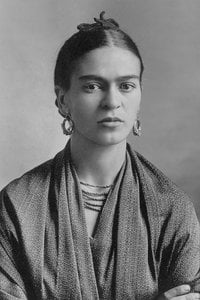
1907 - 1954 , メキシコ

Embark on a profound journey through Frida Kahlo's most iconic masterpieces. Discover the deep symbolism, Mexican heritage, and resilient spirit behind her legendary works in this expert art-historical exploration designed for true art enthusiasts.

Embark on a sophisticated journey through the surrealist movement. Discover how masters like Dalí and Ernst blurred the lines between dreams and reality through innovative techniques, exploring the profound impact of the subconscious on fine art history with expert authority.

Embark on a journey through the subconscious with our expert guide to Surrealism. Discover the profound symbolism of masters like Dalí and Ernst, exploring how dreamlike imagery reshaped art history and continues to inspire collectors and enthusiasts worldwide.

Explore the profound depths of Surrealism. Discover how masters like Dalí and Ernst unlocked the subconscious through dreamlike imagery, and learn to integrate these evocative, museum-quality masterpieces into your private collection with expert art historical insight.


最新の美術ニュース、限定オファー、そしてインテリアのアイデアをいち早くお届けします。
お客様のプロジェクトについてお聞かせください。当社の美術専門家が、お客様に合わせた3つのパーソナライズされた芸術提案をご提供いたします。
あなたにぴったりの3作品を無料で厳選いたします


 プレビュー
プレビュー
 シェアする
シェアする シェアする
シェアする
 詳細を見る
詳細を見る

 ダウンロード
 似ている作品
 X線調査
X線調査 スライドショー
 詳細を見る
詳細を見る









 ガラスオプションは、110cm未満のサイズでのみご利用いただけます。