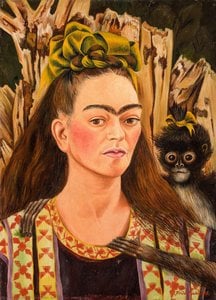
OilWallArtSurrealist/Naive Art
 1940High Medieval
 99.0 x 74.0 cm
オンラインプレビューをはるかに凌ぐ、高解像度で鮮明なデジタル画像をご購入いただけます。
各ファイルは、社内の専門家が高度なツールと熟練した手作業によるレタッチを用いて、細心の注意を払って準備されています。すべての画像において、卓越した鮮明度、正確な色彩再現性、そして繊細なディテールを保証いたします。
最終ファイルは、プロフェッショナルな編集・印刷環境ですぐにご利用いただけるよう最適化された状態で、72時間以内にメールにてお届けいたします。これは、一流のデザインスタジオ、出版社、ギャラリーから信頼されているものと同等の品質です。
個人での鑑賞、印刷、クリエイティブなプロジェクト用に、高解像度ファイルをダウンロードできます。 ( プリント版に切り替え 手描きの絵画を購入)
WahooArt.com を選ぶことは、単に画像を手に入れることではありません。それは、プロの手によって精密に仕上げられ、満足保証が付いた高品質なデジタルアートワークを受け取ることを意味します。ご注文いただいた際に自動的に付随する内容は、以下の通りです:

ご注文から72時間以内に、高解像度のデジタル画像ファイルがメールでお手元に届きます。すぐにそのままご利用いただけます。

お客様の作品は、高度なAIツールと専門家による手作業の編集を組み合わせてプロフェッショナルに最適化されており、細部のディテール、鮮明さ、そして正確な色再現性を最大限に引き出しています。

ファイルを誤って削除したり、紛失してしまったりしましたか?ご安心ください。いつでも無料で再送いたします。

関税や手数料、配送料を気にすることなく、お気に入りのアートワークをすぐにお楽しみいただけます。デジタルダウンロードは常に免税です。

プロ仕様のツールとカラーマネジメント技術を用いることで、デジタル画像が元の色を最大限に忠実に再現することを保証いたします。

ご購入いただいたデジタル画像にご満足いただけない場合は、100日以内であれば、理由を問わず修正または100%の返金対応をさせていただきます。

ご満足いただけない場合は、デジタルファイルを受け取ってから100日以内であれば、理由を問わず全額返金いたします。

3枚購入で10%OFF - 5枚購入で15%OFF - 10枚以上購入で20%OFF。クリエイティブなプロジェクト、ギャラリー、エージェンシーに最適です。
Frida Kahlo's "The Dream (The Bed)," painted in 1940, isn’t merely a depiction of a bed; it’s a profoundly unsettling and intensely personal exploration of mortality, identity, and the very nature of dreams. This oil on canvas, measuring 99 x 74 cm, transcends simple representation, plunging the viewer into a surreal landscape populated by stark symbolism and echoing with Kahlo's own turbulent inner world. The painting immediately confronts us with an unsettling scene: two skeletal figures intertwined in a bed, their heads resting upon pillows – a visual paradox that instantly establishes the artwork’s preoccupation with death and its proximity to life.
Kahlo’s stylistic choices are crucial to understanding the work's power. Classified as Naive Art/Primitivism Surrealism, “The Dream (The Bed)” reflects her deliberate rejection of academic realism in favor of a raw, emotionally driven approach. The vibrant yet muted palette—dominated by earthy tones punctuated by flashes of green and yellow—creates an atmosphere of both decay and nascent life. Her signature use of meticulous detail, particularly evident in the rendering of the bedclothes and the intricate patterns on the skeletons’ garments, contrasts sharply with the dreamlike quality of the scene, further blurring the boundaries between reality and the subconscious.
The skeletal figures themselves are central to the painting's complex symbolism. Often interpreted as representations of mortality, they aren’t presented in a purely frightening manner. Instead, their intertwined embrace suggests a shared fate, a merging of life and death. The presence of the figure seated atop the bed adds another layer of intrigue. This enigmatic observer—often speculated to be a self-portrait—appears to be both witnessing and perhaps even participating in this nocturnal drama. The flowers adorning one skeleton’s attire symbolize rebirth and resilience, hinting at Kahlo's own determination to find beauty and meaning amidst suffering.
Beyond the immediate figures, numerous details contribute to the painting’s rich symbolic tapestry. The bed itself, suspended in a hazy, undefined space, represents not just rest but also intimacy, vulnerability, and perhaps even the womb—a potent symbol of creation and destruction simultaneously. The chair positioned near the left edge and the vase in the upper right corner serve as grounding elements within this dreamscape, providing a sense of context and anchoring the scene to a tangible reality, albeit one profoundly distorted.
“The Dream (The Bed)” is deeply rooted in Kahlo’s personal experiences. Following her devastating bus accident in 1925, she endured years of chronic pain and multiple surgeries, profoundly impacting her physical and emotional well-being. The painting can be viewed as a visual manifestation of this ongoing struggle with mortality—a confrontation with the fragility of life and the inevitability of death. Furthermore, the artwork draws heavily on Mexican folk art traditions and mythology, incorporating elements such as the vibrant colors and symbolic imagery characteristic of indigenous cultures.
Kahlo’s exploration of identity is also powerfully evident in this work. The juxtaposition of the skeletal figures—representing death—with the living figure seated upon the bed speaks to her own struggle with self-perception, particularly in light of her physical limitations and the societal expectations placed upon women at the time. “The Dream (The Bed)” remains a hauntingly beautiful and profoundly moving testament to Kahlo’s artistic vision and her unflinching exploration of the human condition.

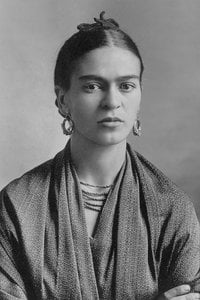
1907 - 1954 , メキシコ


 プレビュー
プレビュー
 シェアする
シェアする シェアする
シェアする
 詳細を見る
詳細を見る

 ダウンロード
 似ている作品
 X線調査
X線調査 スライドショー
 統計情報
統計情報 詳細を見る
詳細を見る