アート相談を無料で

x
プリントを購入 プリントを購入画像を 購入する 画像を 購入する シェアするシェアする
詳細を見る詳細を見る お気に入りに追加 お気に入りに追加 ダウンロードダウンロード 似ている作品似ている作品 X線調査X線調査 スライドショースライドショー

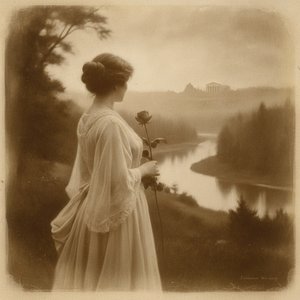
Beech Tree

Eugene by Atget: A captivating sepia-toned photograph of a monumental beech tree – a rare glimpse into early photography & nature's grandeur.

Discover Eugène Atget (1857-1927), a pioneering French photographer who meticulously documented Old Paris before its transformation. Explore his evocative images of architecture, streets & Parisian life.

手描き油彩複製画

当社のアーティストが、お客様のご希望のサイズと額縁に合わせて、キャンバスに手描きで制作する油彩画です。

Standard
custom
CM
INCH

作品のオリジナル比率に合わせた、当店の規定サイズからお選びください。

高さ

特定のフレームやスペースに合わせて、ご希望のサイズをご入力いただけます。選択されたサイズが元の画像の比率と異なる場合、アートワークをトリミングするか、手描きで要素を追加して絵画を拡張いたします。デジタルモックアップ を制作し、制作開始前にご確認(承認)をいただきます。
画面上のプレビューは、実際のトリミングや拡張を正確に反映しているものではありません。最終的な構図は、モックアップによってのみ正確にご確認いただけます。
カスタムサイズもご利用いただけますが、元の比率を維持するためには、あらかじめ用意されたリストからサイズを選択することをお勧めいたします。

カスタマイズの例:顔をお客様の写真に置き換える、ペットを追加する(例:猫を犬に変更)、背景に隠れたメッセージを入れる、背景の風景や要素を変更するなど。
ご注文後、WahooArt.com チームより詳細な指示をお送りするとともに、仕上がりイメージ(モックアップ)をご提供いたします。

世界中への配送()は、通常の5週間ではなく、3〜4週間でお届けいたします。(18 7月)。品質には一切妥協いたしません。

why_choose_icon
世界中へ無料エクスプレス配送
why_choose_icon
高品質なリネンキャンバス
why_choose_icon
配送時完全保険付
why_choose_icon
関税・輸入税の払い戻し保証
why_choose_icon
忠実な色彩再現保証
why_choose_icon
60日間返品保証(製造上の欠陥のみ)
why_choose_icon
100% 全額返金保証
why_choose_icon
まとめ買い割引のご案内

合計金額

-

reproduction

Beech Tree

複製技法

複製画のサイズ

-

合計金額

-


アーティストの略歴

A Chronicler of Old Paris: The Life and Legacy of Eugène Atget

Born Jean-Eugène-Auguste Atget in 1857, in the quiet town of Libourne, France, the photographer who would become synonymous with “Old Paris” began life under a shadow of loss. Orphaned at the tender age of seven following the deaths of both his parents, young Eugène was raised by his maternal grandparents in Bordeaux. This early experience of displacement and perhaps a nascent sense of impermanence may have subtly informed his later artistic drive—a compulsion to document a world he sensed was slipping away. His initial aspirations lay far from photography; Atget pursued acting, enrolling in drama school but finding his path interrupted by mandatory military service. A subsequent attempt at a theatrical career with a traveling troupe was cut short by vocal cord issues, forcing him to reconsider his direction. It was around 1887, after these early setbacks, that he turned towards the emerging art of photography, initially producing images for sale to artists and craftspeople—pleasant landscapes and scenes intended as reference material.

The Systematic Vision: Documenting a Vanishing Paris

A pivotal shift occurred around 1897, marking the true beginning of Atget’s singular life's work. He embarked on a systematic documentation of “Old Paris,” a project that would consume him for nearly three decades. This wasn’t merely picturesque tourism; it was an almost anthropological undertaking, driven by a desire to preserve the physical fabric of a city undergoing rapid modernization. Armed with a large-format wooden bellows camera and utilizing glass dry plates (18x24cm), Atget meticulously recorded the narrow lanes, ancient courtyards, magnificent palaces, and bustling street life that defined the historic heart of Paris. He wasn’t interested in artistic embellishment or dramatic composition; his approach was fundamentally documentary, a striving for objective representation. From 1906 onwards, this dedication brought him commissions from institutions like the Musée Carnavalet and the Bibliothèque Historique de la Ville de Paris, solidifying his role as an official chronicler of Parisian history. He photographed not just grand monuments but also the everyday details—shop window displays, street vendors, rag collectors, even prostitutes—creating a comprehensive portrait of urban life in all its complexity.

A Unique Aesthetic: Atmosphere and the Passage of Time

Atget’s photographs possess a distinctive aesthetic born as much from technical necessity as artistic intention. The long exposure times required by his equipment often resulted in a wispy quality, blurring movement and creating an ethereal atmosphere. This wasn't a flaw but rather a defining characteristic, lending his images a sense of timelessness and melancholy. He frequently captured scenes with few people present, or those figures rendered ghostly by the extended exposures, emphasizing space and ambiance over sharp detail. His compositions are often characterized by a deliberate lack of dramatic focus; instead, he presents a wide view, inviting the viewer to wander through the scene and absorb its atmosphere. This approach wasn’t about capturing a fleeting moment but rather conveying the enduring presence of place—the weight of history embedded in the stones and streets of Paris. He sought not to interpret, but to record.

Delayed Recognition and Enduring Influence

Despite his dedication and the sheer volume of his work – an estimated 8,500 negatives – Atget received remarkably little recognition during his lifetime. Only a handful of young artists recognized the genius in his approach. It was after his death in 1927 that his legacy began to unfold, largely thanks to the efforts of American photographer Berenice Abbott. Recognizing the importance of his work, Abbott purchased Atget’s archive and tirelessly promoted his photographs through exhibitions and publications. She later donated a significant portion of her collection to the Museum of Modern Art (MoMA) in 1968, ensuring its preservation and accessibility for future generations. Atget's images resonated deeply with the Surrealists, who appreciated their evocative atmosphere, sense of mystery, and ability to reveal the hidden poetry of everyday life. Today, Eugène Atget is celebrated as a pioneer of documentary photography, a vital chronicler of Parisian history, and an inspiration to photographers around the world. His work continues to offer invaluable insights into the urban landscape and social life of late 19th and early 20th-century Paris—a testament to the power of patient observation and the enduring beauty of a city in transition.
Eugène Atget

Eugène Atget

1857 - 1927 , France

基本情報

  • Artistic Movement Or Style: Documentary photography
  • Artists Or Movements Influenced By This Artist:
    • Surrealism
    • Berenice Abbott
  • Date Of Birth: February 12, 1857
  • Date Of Death: August 4, 1927
  • Full Name: Eugène Atget
  • Nationality: French
  • Notable Artworks:
    • Beech Tree
    • Fête du Trône
    • Guignol, Jardin Du Luxembourg
  • Place Of Birth: Libourne, France