当社のアーティストが、お客様のご希望のサイズと額縁に合わせて、キャンバスに手描きで制作する油彩画です。 ( プリント版に切り替え デジタル画像販売へ切り替え)
作品のオリジナル比率に合わせた、当店の規定サイズからお選びください。

フレームや壁のスペースに合わせて、ご希望の幅と高さを入力してください。本作品は手描きのため、異なる比率のサイズをご希望の場合、絵画の周囲を少し広げて描くか、あるいは端を少しカットして調整することが可能です。お客様のご要望に合わせます。制作を開始する前に、仕上がりを確認するためのデジタルモックアップをお送りいたします。このページに表示されている画像は完成品の実物ではなく、あくまでモックアップによるイメージです。
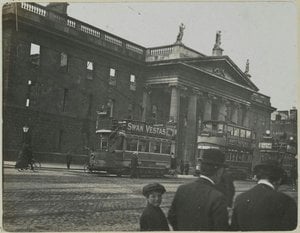
Eclipse, 1911
複製画サイズ一覧
In the quiet, silvered depths of Eugène Atget’s “Eclipse, 1911,” we encounter more than just a photograph; we step into a spectral window looking back upon a Paris that no longer exists. Though this specific print was brought to light in 1956 from an original glass negative captured decades earlier, the soul of the image remains anchored in the twilight of the Belle Époque. The scene captures a profound moment of stillness, where a group of figures stands gathered before the monumental presence of what is believed to be Notre Dame Cathedral. There is an inherent tension in the composition—a delicate balance between the enduring weight of stone architecture and the fleeting, ephemeral nature of the human beings passing through its shadow. For the discerning collector, this piece offers a rare opportunity to possess a fragment of history, a visual poem about the inevitable passage of time.
The technical mastery behind Atget’s work lends the image an almost tactile quality that is deeply captivating for those who appreciate fine art photography. Utilizing the wet collodion process, Atget achieved a level of clarity and tonal richness that modern digital captures often struggle to replicate. This laborious method required meticulous hand-processing, resulting in a gelatin silver print characterized by exquisite sharpness and subtle gradations of light and shadow. The way the light falls across the faces of the onlookers—rendered in muted, atmospheric tones—creates an unsettling yet beautiful stillness. This approach aligns with the Pictorialism movement, where the photographer’s goal was not merely to document reality, but to elevate the medium to a fine art through texture, mood, and emotional depth.
Beyond its striking visual composition, “Eclipse” serves as a profound symbolic meditation on change. The monumental structure, standing resolute against the sky, represents the pillars of faith, tradition, and the historical identity of France. Yet, the title itself suggests an obscuring—a moment where light is blocked, much like how the rapid industrialization and urbanization of the early 20th century threatened to eclipse the charming, ancient streets of "Old Paris." The figures in the frame, appearing as small, vulnerable witnesses to the grandeur above them, embody a sense of collective awe mingled with a quiet melancholy. They are tourists in their own history, gazing upward at a landmark that is simultaneously permanent and subject to the erosions of time.
For interior designers and art enthusiasts looking to curate a space of reflection and sophistication, this reproduction provides an unparalleled emotional anchor. The monochromatic palette and the somber, evocative atmosphere make it a versatile masterpiece for high-end residential or gallery settings. It does not merely decorate a wall; it invites conversation, prompting viewers to contemplate their own place within the grand continuum of history. To display “Eclipse” is to celebrate the beauty found in decay and the enduring power of memory, making it an essential acquisition for anyone moved by the intersection of documentary truth and poetic artistry.
「Eclipse, 1911」は、Reflectiveな感情を呼び起こします。この情緒的なトーンは、作品が与える印象を表しています。
「Eclipse, 1911」には、専用の統計情報ページがあります。このページでは、その作品およびアーティストの他の作品の月間訪問者数を、国別・言語別の内訳とともにグラフで表示しています。
ウジェーヌ・アジェ作「Eclipse, 1911」の色彩構成は、StatementなコントラストとStrong Color Unityな調和を併せ持っています。


1857 - 1927 , フランス

Explore the profound evolution of documentary photography through a cultural lens. From early social realism to modern visual narratives, discover how photographers have captured history, labor, and the human condition to redefine fine art.

Explore the profound evolution of contemporary photography through a connoisseur's lens. From monochrome mastery to digital innovation, discover how modern photographic works shape fine art collections and define our cultural legacy.

Explore the profound emotional depth of documentary photography art. Discover how collectors curate powerful historical narratives through museum-quality black and white prints and fine art reproductions that preserve humanity's most resilient moments.

Explore the profound artistry of black and white photography. From historical mastery to the interplay of light and shadow, discover how monochrome captures timeless emotion and form through a sophisticated lens of art history.

Elevate your most cherished memories with WahooArt’s bespoke service. We transform your personal photos into breathtaking, hand-painted black & white oil masterpieces. Experience museum-quality craftsmanship and timeless elegance for your private collection. Discover the art of legacy.


 送る
送る シェア
シェア
 詳細情報
詳細情報 ガイドを表示

 画像をダウンロード
 似ている作品
 スライドショー
 統計情報
統計情報


 続きを読む
続きを読む






































 ガラスオプションは、110cm未満のサイズでのみご利用いただけます。