


x






























作品のオリジナル比率に合わせた、当店の規定サイズからお選びください。

特定のフレームやスペースに合わせて、ご自身でサイズを指定することも可能です。選択されたサイズが元の画像の比率と一致しない場合、作品をトリミングするか、鏡面反射または単色での塗りつぶしによって画像を拡張いたします。制作を開始する前に、ご確認用のデジタルモックアップをお送りいたします。
画面上のプレビューには、実際のトリミングや拡張は反映されませんのでご注意ください。最終的な構図を正確に確認できるのは、モックアップのみとなります。
カスタムサイズも承っておりますが、元の比率を維持するためには、あらかじめ用意されたリストからサイズを選択することをお勧めいたします。

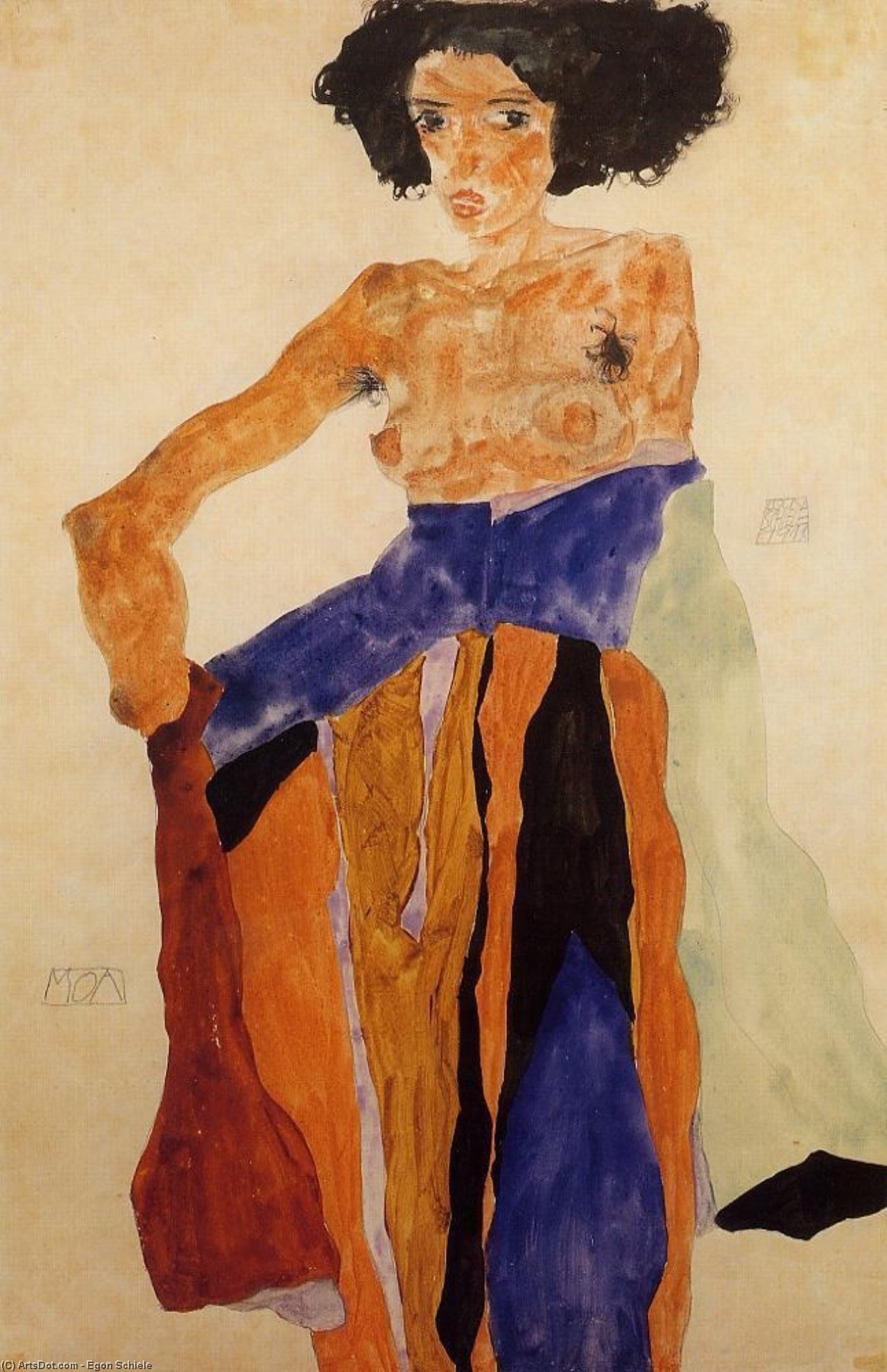
Moa
複製画のサイズ
Egon Schiele’s “Moa,” painted in 1911, is not merely a depiction of a woman; it’s an intensely personal and profoundly unsettling meditation on vulnerability, loss, and the human condition. Created during a pivotal period in Schiele's tragically short career – he died at just 28 – the painting embodies the raw emotional intensity that would come to define his oeuvre. The subject, a young woman with her arms crossed in a posture of quiet contemplation, immediately draws the viewer into a space of palpable sadness. Her downward gaze and subtly downturned mouth suggest a deep introspection, perhaps even despair, reflecting the pervasive anxieties of the era.
Beyond the immediate portrait, “Moa” is laden with symbolic weight. The umbrella, positioned near the center-left, could represent protection against an overwhelming emotional storm or perhaps a futile attempt to shield oneself from sorrow. The presence of two indistinct figures in the background – partially obscured and seemingly detached – adds another layer of complexity, suggesting themes of loneliness, alienation, and the difficulty of genuine connection. Schiele frequently explored themes of death and decay within his work, likely influenced by the personal tragedies he experienced and the broader anxieties surrounding mortality prevalent at the time. The painting’s creation coincided with a period of significant social and political upheaval in Europe, further contributing to a sense of unease and uncertainty.
Painted in 1911, “Moa” reflects the artistic ferment of Vienna at the turn of the century. The city was a hub for avant-garde movements, including Expressionism, Secessionism, and Cubism, all seeking to challenge traditional artistic conventions. Schiele’s work, though initially met with criticism, quickly gained recognition for its unflinching honesty and emotional power. His exploration of themes such as sexuality, mortality, and the human psyche continues to resonate with viewers today. As a key figure in early 20th-century art, Schiele's influence extends far beyond his own lifetime, inspiring generations of artists who sought to capture the complexities of the human experience through bold and uncompromising vision. This hand-painted reproduction offers a unique opportunity to possess a piece of this pivotal moment in art history.


1890 - 1918 , オーストリア

Explore the rich history of the blue dress in Western art! Discover its symbolism, from Renaissance masterpieces to modern interpretations by artists like Martin & Schiele. Uncover cultural meanings and artistic techniques.
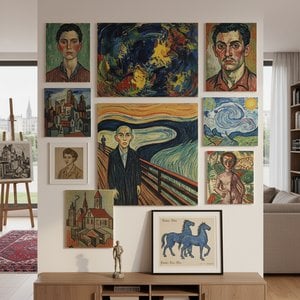
表現主義の心を揺さぶる10選。ムンク、キルヒナーら巨匠の傑作を紐解き、色彩とエモーションの世界へ。WahooArt.comで、時代を超越したアートをあなたの空間に取り入れませんか?高品質な複製絵画やインテリアアイデアが満載。

Explore 10 legendary 'Acrylic on Paper' masterpieces by artists like Helen Frankenthaler & Gerhard Richter. Discover abstract expressionism, color field painting & the evolution of modern art. Find museum-quality reproductions for your home at WahooArt.com.

Explore the emotionally charged world of Egon Schiele (1890-1918). Discover his Expressionist masterpieces, psychological themes, and lasting impact on modern art. A comprehensive guide for collectors & enthusiasts.

マーク・ロスコの傑作25選。抽象表現主義を代表する巨匠、色彩が織りなす深遠な世界を探求します。絵画の背景や技法、感動的なストーリーを紐解き、WahooArtで高品質なアートプリントをお楽しみください。リビングやオフィスにモダンアートを飾るなら!


最新の美術ニュース、限定オファー、そしてインテリアのアイデアをいち早くお届けします。
お客様のプロジェクトについてお聞かせください。当社の美術専門家が、お客様に合わせた3つのパーソナライズされた芸術提案をご提供いたします。
あなたにぴったりの3作品を無料で厳選いたします
 手描き複製画を注文する
 シェアする
シェアする シェアする
シェアする
 詳細を見る
詳細を見る

 ダウンロード
 似ている作品
 X線
X線 スライドショー

 詳細を見る
詳細を見る









 ガラスオプションは、110cm未満のサイズでのみご利用いただけます。


