
アート相談を無料で

x
プリントを購入 プリントを購入手描き複製画を注文する 手描き複製画を注文する シェアするシェアする
詳細を見る詳細を見る お気に入りに追加 お気に入りに追加 ダウンロードダウンロード 似ている作品似ている作品 X線X線 スライドショースライドショー

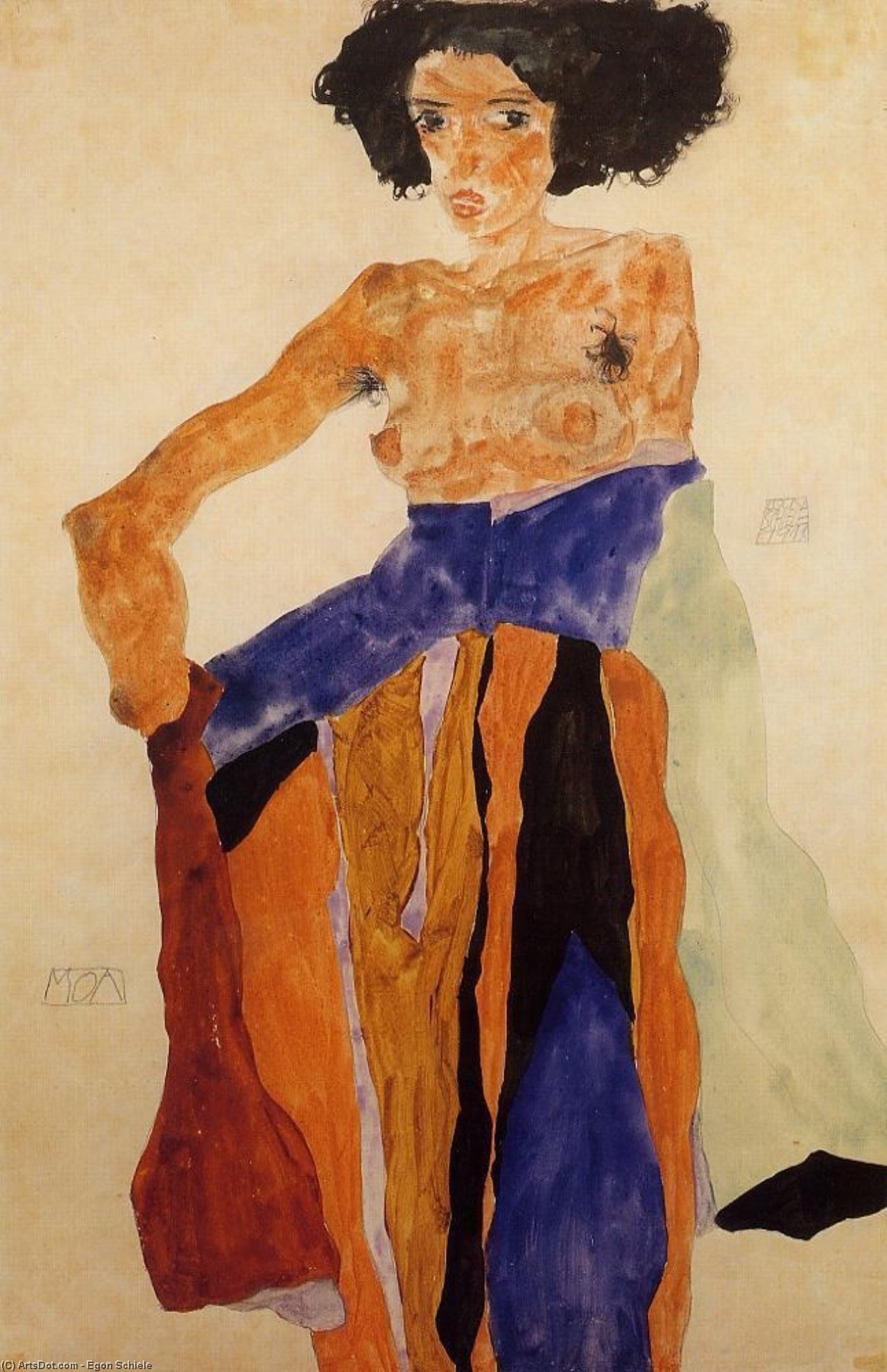
Moa

Egon Schiele’s ‘Moa’ (1911) captures a dancer enveloped in rich textiles, showcasing his Expressionist style & poignant introspection. Explore the painting's emotive power and Schiele’s unique artistic vision.

エゴン・シーレ(1890-1918):大胆な肖像画、心理的テーマ、そして独特の線が生み出す、感情に訴えかける表現主義の世界。死と生、人間の内面を深く掘り下げた傑作たちを発見してください!

オンラインプレビューをはるかに凌ぐ、高解像度で鮮明なデジタル画像をご購入いただけます。

各ファイルは、社内の専門家が高度なツールと熟練した手作業によるレタッチを用いて、細心の注意を払って準備されています。すべての画像において、卓越した鮮明度、正確な色彩再現性、そして繊細なディテールを保証いたします。

最終ファイルは、プロフェッショナルな編集・印刷環境ですぐにご利用いただけるよう最適化された状態で、72時間以内にメールにてお届けいたします。これは、一流のデザインスタジオ、出版社、ギャラリーから信頼されているものと同等の品質です。

デジタルアート

個人での鑑賞、印刷、クリエイティブなプロジェクト用に、高解像度ファイルをダウンロードできます。

最終合計金額

$9.99

デジタル画像のご注文に付随する特典

高品質なデジタル画像配信を、確かな品質で。

WahooArt.com を選ぶことは、単に画像を手に入れることではありません。それは、プロの手によって精密に仕上げられ、満足保証が付いた高品質なデジタルアートワークを受け取ることを意味します。ご注文いただいた際に自動的に付随する内容は、以下の通りです:

shipping_icon
メールですぐにお届け

ご注文から72時間以内に、高解像度のデジタル画像ファイルがメールでお手元に届きます。すぐにそのままご利用いただけます。

canvas_icon
AI技術で最適化されたデジタルファイル

お客様の作品は、高度なAIツールと専門家による手作業の編集を組み合わせてプロフェッショナルに最適化されており、細部のディテール、鮮明さ、そして正確な色再現性を最大限に引き出しています。

insurance_icon
一生涯無料の再送サービス

ファイルを誤って削除したり、紛失してしまったりしましたか?ご安心ください。いつでも無料で再送いたします。

tax_icon
輸入手数料は一切かかりません

関税や手数料、配送料を気にすることなく、お気に入りのアートワークをすぐにお楽しみいただけます。デジタルダウンロードは常に免税です。

color_icon
色彩再現の保証

プロ仕様のツールとカラーマネジメント技術を用いることで、デジタル画像が元の色を最大限に忠実に再現することを保証いたします。

return_icon
60日間満足保証

ご購入いただいたデジタル画像にご満足いただけない場合は、60日以内であれば、修正または100%の返金(理由を問う必要はありません)をさせていただきます。

guarantee_icon
100% 返金保証

ご満足いただけない場合は、デジタルファイルを受け取ってから60日以内であれば、理由を問わず全額返金いたします。

discount_icon
まとめ買い割引

3枚購入で10%OFF - 5枚購入で15%OFF - 10枚以上購入で20%OFF。クリエイティブなプロジェクト、ギャラリー、エージェンシーに最適です。

作品詳細

  • Title: Moa
  • Influences: Schiele's work
  • Subject or theme: Human figure, sadness
  • Notable elements: Sad woman, umbrella
  • Artist: Egon Schiele
  • Year: 1911

作品の詳細

A Portrait of Melancholy: Egon Schiele's "Moa"

Egon Schiele’s “Moa,” painted in 1911, is not merely a depiction of a woman; it’s an intensely personal and profoundly unsettling meditation on vulnerability, loss, and the human condition. Created during a pivotal period in Schiele's tragically short career – he died at just 28 – the painting embodies the raw emotional intensity that would come to define his oeuvre. The subject, a young woman with her arms crossed in a posture of quiet contemplation, immediately draws the viewer into a space of palpable sadness. Her downward gaze and subtly downturned mouth suggest a deep introspection, perhaps even despair, reflecting the pervasive anxieties of the era.

Expressionist Techniques and Anatomical Precision

  • Style: Schiele’s style is firmly rooted in Expressionism, prioritizing emotional impact over realistic representation. He achieves this through distorted forms, exaggerated features, and a deliberate rejection of idealized beauty.
  • Technique: The painting showcases Schiele's mastery of oil paint, utilizing thick impasto strokes to build up texture and create a sense of physicality. His meticulous attention to anatomical detail, particularly in the rendering of the woman’s hands and face, is juxtaposed with his expressive distortions, creating a dynamic tension between observation and emotion.
  • Color Palette: The muted color palette – dominated by blues, browns, and ochres – contributes significantly to the painting's melancholic atmosphere. These somber tones reinforce the sense of isolation and introspection.

Symbolism Within the Frame

Beyond the immediate portrait, “Moa” is laden with symbolic weight. The umbrella, positioned near the center-left, could represent protection against an overwhelming emotional storm or perhaps a futile attempt to shield oneself from sorrow. The presence of two indistinct figures in the background – partially obscured and seemingly detached – adds another layer of complexity, suggesting themes of loneliness, alienation, and the difficulty of genuine connection. Schiele frequently explored themes of death and decay within his work, likely influenced by the personal tragedies he experienced and the broader anxieties surrounding mortality prevalent at the time. The painting’s creation coincided with a period of significant social and political upheaval in Europe, further contributing to a sense of unease and uncertainty.

Historical Context and Schiele's Legacy

Painted in 1911, “Moa” reflects the artistic ferment of Vienna at the turn of the century. The city was a hub for avant-garde movements, including Expressionism, Secessionism, and Cubism, all seeking to challenge traditional artistic conventions. Schiele’s work, though initially met with criticism, quickly gained recognition for its unflinching honesty and emotional power. His exploration of themes such as sexuality, mortality, and the human psyche continues to resonate with viewers today. As a key figure in early 20th-century art, Schiele's influence extends far beyond his own lifetime, inspiring generations of artists who sought to capture the complexities of the human experience through bold and uncompromising vision. This hand-painted reproduction offers a unique opportunity to possess a piece of this pivotal moment in art history.

関連作品


作家の略歴

Egon Schiele: Austrian Expressionist Painter

Egon Schiele’s artistic journey began in Tulln an der Donau, Austria, amidst a backdrop of familial hardship—the premature death of his father from syphilis and the subsequent loss of his sister Elvira—experiences that profoundly shaped his worldview and fueled his relentless pursuit of expressive truth. Born in 1890, Schiele’s childhood was marked by illness and instability, yet he cultivated an unwavering independence and a fascination with trains—a motif that would subtly permeate his later canvases—demonstrating an innate talent for drawing from a young age. Recognizing this potential, his uncle Leopold Czihaczek championed his artistic aspirations, guiding him toward the Akademie der bildenden Künste in Vienna where he encountered Gustav Klimt, whose influence solidified Schiele’s stylistic trajectory. Despite facing considerable resistance from Viennese academic circles—particularly Professor Griepenkerl—Schiele persevered, establishing the Neues Wiener Kunstgruppe alongside fellow artists who challenged prevailing artistic conventions. His early works—often unsettling portraits and self-portraits—captured the anxieties and vulnerabilities of the human psyche with startling honesty, utilizing elongated figures and expressive lines to convey psychological tension. Schiele’s exploration of sexuality was particularly provocative for its time, reflecting the broader cultural shifts occurring in Vienna during the Fin de siècle era. His artistic development gained momentum through mentorship from Klimt and engagement with the Viennese Secession—a movement that championed avant-garde experimentation and rejected bourgeois morality—resulting in iconic paintings like *The Kiss* and *Death and the Maiden*. Schiele’s distinctive style—characterized by distorted forms, raw emotion, and a preoccupation with mortality—established him as one of Austria's foremost Expressionist painters. He continued to refine his technique throughout his brief career, producing masterpieces that resonate powerfully with audiences today. Schiele’s legacy extends beyond his artistic achievements; he embodies the spirit of rebellion against societal norms and unwavering commitment to artistic integrity. His paintings remain influential in contemporary art, inspiring artists to confront difficult themes and explore psychological depths—a testament to Schiele's enduring impact on the visual arts. He died tragically young during the Spanish flu pandemic in 1918, leaving behind a remarkable body of work that secures his place as one of Austria’s most celebrated artistic figures.
  • Key Themes: Mortality, sexuality, isolation, psychological turmoil.
  • Influences: Gustav Klimt, Viennese Secession, personal trauma.
  • Style Characteristics: Elongated figures, contorted poses, expressive lines, raw emotion.
  • Notable Works: *Self-Portrait with Physalis*, *Couple Embracing*, *Field Landscape (Kreuzberg) near Krumau*
  • Achievements: Schiele’s uncompromising artistic vision and masterful technique garnered international acclaim, securing his place as a pivotal figure in Austrian Expressionism.
  • Historical Significance: His work challenged Viennese bourgeois sensibilities and paved the way for subsequent generations of artists to explore psychological themes with boldness and vulnerability.
エゴン・シエレ

エゴン・シエレ

1890 - 1918 , オーストリア

プロフィール概要

  • Artistic Movement Or Style: 表現主義
  • Artists Who Influenced This Artist: ['グスタフ・クリムト']
  • Date Of Birth: 1890年6月12日
  • Date Of Death: 1918年10月31日
  • Full Name: Egon Leo Adolf Ludwig Schiele
  • Nationality: オーストリア
  • Notable Artworks:
    • フィザリスと自画像
    • 抱擁する男女
    • クロウズベルクの風景
  • Place Of Birth: オーストリア・トゥルン

