このページに掲載されている作品は著作権法によって保護されており、当社の許可なく同一の複製物を制作または販売することは法律で禁じられています。この保護は、以下のような国際条約に基づき執行されます。 ベルヌ条約 および、以下の条項に定められたものを含む各国の法律により、 米国著作権法 第17編。
この手法は、著作権で保護された作品の複製や複写を伴わないため、著作権法に完全に準拠しています。これは単なる模倣ではなく、創造的な再解釈です。元の作品からインスピレーションを受けつつも、それとは異なる、全く新しい絵画を生み出すものです。
スピーディーな制作と多彩な仕上げオプションが魅力の、ミュージアムクオリティなジークレー・キャンバスプリント。 ( 手描きの複製画を注文する デジタル画像販売へ切り替え)
作品のオリジナル比率に合わせた、当店の規定サイズからお選びください。

特定のフレームやスペースに合わせて、ご自身でサイズを指定することも可能です。選択されたサイズが元の画像の比率と一致しない場合、作品をトリミングするか、鏡面反射または単色での塗りつぶしによって画像を拡張いたします。制作を開始する前に、ご確認用のデジタルモックアップをお送りいたします。
画面上のプレビューには、実際のトリミングや拡張は反映されませんのでご注意ください。最終的な構図を正確に確認できるのは、モックアップのみとなります。
カスタムサイズも承っておりますが、元の比率を維持するためには、あらかじめ用意されたリストからサイズを選択することをお勧めいたします。
Untitled
複製画サイズ一覧
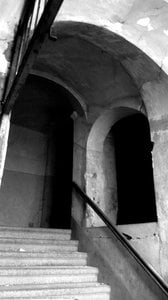
Arjun Bijlani, a name perhaps more readily associated with the vibrant stage and screen of Indian television, reveals an unexpectedly profound artistic sensibility through his photographic work. His piece, simply titled "Untitled," isn't merely a snapshot; it’s a carefully constructed exploration of space, texture, and the quiet weight of accumulated labor. The photograph, rendered in stark black and white, immediately draws the viewer into a claustrophobic interior – an old warehouse or storage facility that feels both familiar and unsettlingly alien. The composition is dominated by a steep, angled staircase, a visual metaphor for ascent and perhaps, a yearning for escape, leading upwards into a zone of deep shadow where light struggles to penetrate.
Bijlani’s approach leans heavily towards documentary photography, eschewing idealized representation in favor of an authentic capture of the scene before him. The technique appears rooted in traditional film practices – a deliberate choice that lends the image a tactile quality, a sense of history and physicality absent from the sterile perfection often associated with digital imaging. The grain of the silver halide print is visible, adding to the feeling of age and resilience, mirroring the weathered walls and stacked burlap sacks that populate the space.
The photograph’s power resides significantly in its masterful manipulation of form and texture. The converging lines of the staircase create a powerful sense of depth, pulling the viewer's eye relentlessly upwards towards a vanishing point – a symbolic destination that remains tantalizingly out of reach. Each element within the frame is meticulously rendered: the rough-hewn wood of the structure, the coarse weave of the burlap sacks, and even the subtle variations in surface texture contribute to a rich sensory experience. Bijlani doesn’t simply *show* us these materials; he invites us to *feel* them through the image.
The strong linear perspective is key to this effect. It's not just about creating depth, but also about directing our gaze and subtly shaping our interpretation of the scene. The darkness at the top of the stairs isn’t merely a lack of light; it represents an unknown, perhaps even a sense of decay or forgotten history. The photograph deliberately avoids color, amplifying the impact of texture and form, forcing us to rely on visual cues to decipher the space.
Beyond its purely aesthetic qualities, “Untitled” is rich with symbolic potential. The towering stacks of burlap sacks immediately evoke notions of labor, industry, and the relentless cycle of production. They represent not just goods stored within the warehouse, but also the countless hours invested in their creation – a silent testament to human effort. The darkness above suggests more than just shadow; it hints at secrets, forgotten memories, or perhaps even a sense of confinement.
Considering Bijlani’s background as an actor and his interest in social commentary, one can interpret the image as a meditation on the hidden realities beneath the surface of everyday life. It's a reminder that behind every seemingly ordinary space lies a complex history and a multitude of untold stories. The photograph invites us to contemplate the weight of accumulated possessions and the quiet dignity of those who labor within them.
Arjun Bijlani's journey is particularly compelling because it defies easy categorization. He has achieved considerable success in the entertainment industry, yet he continues to pursue his artistic vision with unwavering dedication. His work as a photographer offers a stark contrast to his roles on television and stage – a shift from performance to observation, from creating illusion to capturing reality. This duality is not simply a matter of compartmentalization; it’s a testament to Bijlani's multifaceted nature and his ability to draw inspiration from diverse sources.
His photographic style—rooted in documentary realism—reflects a deep respect for the subject matter, while simultaneously conveying a subtle sense of social awareness. Reproductions of “Untitled” offer a powerful way to bring this evocative image into any space, inviting viewers to contemplate its layers of meaning and appreciate Bijlani’s unique artistic perspective.
アルジュン・ビジラーニ作「Untitled」の似ている作品ページでは、関連する作品をご紹介しています。
アルジュン・ビジラーニ作「Untitled」は、作品のダウンロードページから高解像度デジタル画像のダウンロードとしてダウンロードいただけます。
アルジュン・ビジラーニ作「Untitled」のプリントは、Landscapeの向きでMediumのサイズに印刷することをお勧めします。
アルジュン・ビジラーニ作「Untitled」 の著作権について:本作品は著作権により保護されていますです。これにより、画像の複製が自由に行えるかどうかが決まります。
アルジュン・ビジラーニの画業において、「Untitled」はContemporaryに制作されたものです。この時期を知ることで、同アーティストの他の作品との比較検討が可能になります。
アルジュン・ビジラーニ作「Untitled」には、ガイドページをご用意しています。これは、学生や教室での学習用に設計された、印刷可能な作品解説シートです。
アルジュン・ビジラーニの作品に繰り返し現れるテーマにはdocumentary photography, industrial aesthetics, linear perspective, exploration of everyday scenes, focus on texture and form, minimalist approach, labor, accumulationが含まれますが、「Untitled」ではwarehouse, storage, staircase, shadows, texture, burlap, industrial, darknessに焦点を当てています。
アルジュン・ビジラーニ作「Untitled」は、作品のスライドショーページにてスライドショーとしてご覧いただけます。


1982 - , インド

Explore the profound artistry of black and white photography. From historical mastery to the interplay of light and shadow, discover how monochrome captures timeless emotion and form through a sophisticated lens of art history.

Elevate your most cherished memories with WahooArt’s bespoke service. We transform your personal photos into breathtaking, hand-painted black & white oil masterpieces. Experience museum-quality craftsmanship and timeless elegance for your private collection. Discover the art of legacy.

Explore the profound emotional depth of documentary photography art. Discover how collectors curate powerful historical narratives through museum-quality black and white prints and fine art reproductions that preserve humanity's most resilient moments.

Explore the profound evolution of contemporary photography through a connoisseur's lens. From monochrome mastery to digital innovation, discover how modern photographic works shape fine art collections and define our cultural legacy.


 送る
送る シェア
シェア
 詳細情報
詳細情報 ガイドを表示

 画像をダウンロード
 似ている作品
 スライドショー
 統計情報
統計情報

 続きを読む
続きを読む






































 ガラスオプションは、110cm未満のサイズでのみご利用いただけます。