アート相談を無料で

x
プリントを購入 プリントを購入手描き複製画を注文する 手描き複製画を注文する シェアするシェアする
詳細を見る詳細を見る お気に入りに追加 お気に入りに追加 ダウンロードダウンロード 似ている作品似ている作品 X線X線 スライドショースライドショー

Untitled

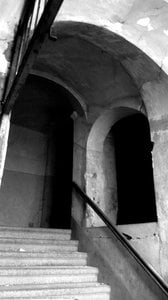
Black & white photo by Arjun Bijlani captures a claustrophobic warehouse interior. Dramatic lighting emphasizes texture & form, showcasing stacked burlap sacks. Documentary style.

Arjun Bijlani: Indian actor & artist capturing evocative realism in photography of everyday life and social scenes. Explore his documentary-style imagery.

オンラインプレビューをはるかに凌ぐ、高解像度で鮮明なデジタル画像をご購入いただけます。

各ファイルは、社内の専門家が高度なツールと熟練した手作業によるレタッチを用いて、細心の注意を払って準備されています。すべての画像において、卓越した鮮明度、正確な色彩再現性、そして繊細なディテールを保証いたします。

最終ファイルは、プロフェッショナルな編集・印刷環境ですぐにご利用いただけるよう最適化された状態で、72時間以内にメールにてお届けいたします。これは、一流のデザインスタジオ、出版社、ギャラリーから信頼されているものと同等の品質です。

デジタルアート

個人での鑑賞、印刷、クリエイティブなプロジェクト用に、高解像度ファイルをダウンロードできます。

最終合計金額

$9.99

デジタル画像のご注文に付随する特典

高品質なデジタル画像配信を、確かな品質で。

WahooArt.com を選ぶことは、単に画像を手に入れることではありません。それは、プロの手によって精密に仕上げられ、満足保証が付いた高品質なデジタルアートワークを受け取ることを意味します。ご注文いただいた際に自動的に付随する内容は、以下の通りです:

shipping_icon
メールですぐにお届け

ご注文から72時間以内に、高解像度のデジタル画像ファイルがメールでお手元に届きます。すぐにそのままご利用いただけます。

canvas_icon
AI技術で最適化されたデジタルファイル

お客様の作品は、高度なAIツールと専門家による手作業の編集を組み合わせてプロフェッショナルに最適化されており、細部のディテール、鮮明さ、そして正確な色再現性を最大限に引き出しています。

insurance_icon
一生涯無料の再送サービス

ファイルを誤って削除したり、紛失してしまったりしましたか?ご安心ください。いつでも無料で再送いたします。

tax_icon
輸入手数料は一切かかりません

関税や手数料、配送料を気にすることなく、お気に入りのアートワークをすぐにお楽しみいただけます。デジタルダウンロードは常に免税です。

color_icon
色彩再現の保証

プロ仕様のツールとカラーマネジメント技術を用いることで、デジタル画像が元の色を最大限に忠実に再現することを保証いたします。

return_icon
60日間満足保証

ご購入いただいたデジタル画像にご満足いただけない場合は、60日以内であれば、修正または100%の返金(理由を問う必要はありません)をさせていただきます。

guarantee_icon
100% 返金保証

ご満足いただけない場合は、デジタルファイルを受け取ってから60日以内であれば、理由を問わず全額返金いたします。

discount_icon
まとめ買い割引

3枚購入で10%OFF - 5枚購入で15%OFF - 10枚以上購入で20%OFF。クリエイティブなプロジェクト、ギャラリー、エージェンシーに最適です。

作品詳細

  • Notable elements: Linear perspective
  • Title: Untitled
  • Subject or theme: Warehouse interior
  • Medium: Photography
  • Artist: Arjun Bijlani
  • Influences: Social commentary

アート・クイズ

各質問の正解は1つだけです。

問題 1:
What is the primary visual effect that Arjun Bijlani aims to create in this photograph?
問題 2:
The stacked burlap sacks in the photograph most likely symbolize:
問題 3:
Based on the description, what type of photographic technique is most likely used in this image?
問題 4:
Arjun Bijlani’s background includes acting on television. How does this influence his approach to photography?
問題 5:
What is the dominant lighting style employed in the photograph?

作品の詳細

A Descent into Shadowed Storage: Arjun Bijlani’s “Untitled”

Arjun Bijlani, a name perhaps more readily associated with the vibrant stage and screen of Indian television, reveals an unexpectedly profound artistic sensibility through his photographic work. His piece, simply titled "Untitled," isn't merely a snapshot; it’s a carefully constructed exploration of space, texture, and the quiet weight of accumulated labor. The photograph, rendered in stark black and white, immediately draws the viewer into a claustrophobic interior – an old warehouse or storage facility that feels both familiar and unsettlingly alien. The composition is dominated by a steep, angled staircase, a visual metaphor for ascent and perhaps, a yearning for escape, leading upwards into a zone of deep shadow where light struggles to penetrate.

Bijlani’s approach leans heavily towards documentary photography, eschewing idealized representation in favor of an authentic capture of the scene before him. The technique appears rooted in traditional film practices – a deliberate choice that lends the image a tactile quality, a sense of history and physicality absent from the sterile perfection often associated with digital imaging. The grain of the silver halide print is visible, adding to the feeling of age and resilience, mirroring the weathered walls and stacked burlap sacks that populate the space.

Deconstructing the Space: Form, Texture, and Linear Perspective

The photograph’s power resides significantly in its masterful manipulation of form and texture. The converging lines of the staircase create a powerful sense of depth, pulling the viewer's eye relentlessly upwards towards a vanishing point – a symbolic destination that remains tantalizingly out of reach. Each element within the frame is meticulously rendered: the rough-hewn wood of the structure, the coarse weave of the burlap sacks, and even the subtle variations in surface texture contribute to a rich sensory experience. Bijlani doesn’t simply *show* us these materials; he invites us to *feel* them through the image.

The strong linear perspective is key to this effect. It's not just about creating depth, but also about directing our gaze and subtly shaping our interpretation of the scene. The darkness at the top of the stairs isn’t merely a lack of light; it represents an unknown, perhaps even a sense of decay or forgotten history. The photograph deliberately avoids color, amplifying the impact of texture and form, forcing us to rely on visual cues to decipher the space.

Symbolism in the Grain: Labor, Accumulation, and the Unseen

Beyond its purely aesthetic qualities, “Untitled” is rich with symbolic potential. The towering stacks of burlap sacks immediately evoke notions of labor, industry, and the relentless cycle of production. They represent not just goods stored within the warehouse, but also the countless hours invested in their creation – a silent testament to human effort. The darkness above suggests more than just shadow; it hints at secrets, forgotten memories, or perhaps even a sense of confinement.

Considering Bijlani’s background as an actor and his interest in social commentary, one can interpret the image as a meditation on the hidden realities beneath the surface of everyday life. It's a reminder that behind every seemingly ordinary space lies a complex history and a multitude of untold stories. The photograph invites us to contemplate the weight of accumulated possessions and the quiet dignity of those who labor within them.

A Legacy in Two Worlds: Bijlani’s Dual Artistic Identity

Arjun Bijlani's journey is particularly compelling because it defies easy categorization. He has achieved considerable success in the entertainment industry, yet he continues to pursue his artistic vision with unwavering dedication. His work as a photographer offers a stark contrast to his roles on television and stage – a shift from performance to observation, from creating illusion to capturing reality. This duality is not simply a matter of compartmentalization; it’s a testament to Bijlani's multifaceted nature and his ability to draw inspiration from diverse sources.

His photographic style—rooted in documentary realism—reflects a deep respect for the subject matter, while simultaneously conveying a subtle sense of social awareness. Reproductions of “Untitled” offer a powerful way to bring this evocative image into any space, inviting viewers to contemplate its layers of meaning and appreciate Bijlani’s unique artistic perspective.

関連作品


作家の略歴

A Dual Canvas: The Life and Art of Arjun Bijlani

Arjun Bijlani, born in Mumbai, India, in 1982, presents a fascinating intersection of worlds – the vibrant landscape of Indian television and the quietly observant realm of documentary photography. While widely recognized as a celebrated actor, his artistic pursuits reveal a depth beyond performance, a keen eye for social commentary, and a dedication to capturing the essence of everyday life often overlooked. Bijlani’s journey is not one of abandoning a former career for a newfound passion, but rather of skillfully weaving two distinct creative threads into a compelling narrative. He began his acting career with Ekta Kapoor's *Kartika* on Hungama TV, quickly gaining prominence through roles in popular series like *Left Right Left*, *Miley Jab Hum Tum*, and *Meri Aashiqui Tum Se Hi*. His success extended to reality television, winning *Fear Factor: Khatron Ke Khiladi 11*, further solidifying his position as a versatile entertainer. Yet, alongside this public persona, Bijlani nurtured a growing fascination with photography, transforming into a visual storyteller driven by empathy and social awareness.

The Lens as Witness: Style and Themes

Bijlani’s photographic work is firmly rooted in the tradition of social realism and documentary photography. His style isn't about grand gestures or staged compositions; instead, it thrives on capturing candid moments from daily life in India. He focuses his lens on the lives of ordinary people – laborers, market vendors, those navigating the complexities of urban existence – presenting their stories with honesty and respect. A defining characteristic of his work is his consistent use of black and white photography. This deliberate choice isn’t merely aesthetic; it emphasizes texture, contrast, and a timeless quality that transcends fleeting trends. The absence of color allows viewers to focus on the raw emotion and inherent dignity within each frame. His images aren't simply records of what *is*, but rather thoughtful explorations of social issues like poverty, labor exploitation, and the pervasive impact of events such as the pandemic. He doesn’t preach or offer solutions; he presents a visual narrative that invites contemplation and encourages viewers to confront uncomfortable truths.

Echoes of Reality: Influences and Artistic Development

While specific artistic influences are not widely documented, Bijlani's work resonates with the spirit of street photographers who prioritize authentic documentation over stylistic flourishes. His approach suggests an appreciation for artists dedicated to using their craft as a means of social observation – those who believe in the power of photography to bear witness and spark dialogue. The influence of masters like Henri Cartier-Bresson, known for his "decisive moment," can be subtly detected in Bijlani’s ability to capture fleeting instances that encapsulate larger narratives. However, Bijlani's work is distinctly Indian, reflecting the unique cultural context and social realities of his homeland. His artistic development appears organic, evolving from a personal interest in visual storytelling into a more focused exploration of societal themes. The transition wasn’t abrupt; rather, it was a gradual refinement of his observational skills and a deepening commitment to using his platform to amplify marginalized voices.

Moments Frozen in Time: Notable Works

Bijlani's portfolio showcases a growing body of work that is both visually striking and emotionally resonant. “Labour Union worker unloading, with the Puthanpally Church in background” exemplifies his ability to juxtapose elements – labor, faith, and cultural context – within a single frame, creating a layered narrative. “Deserted market in the times of pandemic” poignantly illustrates the disruption caused by global events on local communities, capturing a sense of isolation and economic hardship. Perhaps one of his most powerful works is “A worker at an old ayurvedic supplies shop,” which offers a raw and unflinching depiction of poverty and resilience. The image isn’t exploitative; it's imbued with respect for the subject’s dignity and strength. His untitled series further demonstrates his talent for finding beauty and meaning in seemingly unremarkable scenes, elevating the mundane to the level of art. These images are not simply photographs; they are windows into lives rarely seen, stories waiting to be heard.

A Bridge Between Worlds: Historical Significance & Future Trajectory

Arjun Bijlani occupies a unique position in the contemporary art landscape. He is an established entertainer who has successfully transitioned into the role of social documentarian, bridging the gap between popular culture and artistic expression. This duality lends his work a particular credibility and reach. His ability to connect with audiences through both television and photography allows him to engage a wider audience with important social issues. While relatively new to the art world, Bijlani’s perspective is invaluable – offering an insider's view of Indian society, unfiltered by academic distance or preconceived notions. As he continues to develop his artistic practice, balancing it alongside his acting career, Arjun Bijlani has the potential to become a significant voice in contemporary Indian art, providing valuable insights into the lives and experiences of its people. His work serves as a reminder that art can be found not only in galleries and museums but also in the streets, markets, and everyday moments that shape our world.
  • Born: Mumbai, India (1982)
  • Known For: Television acting, documentary photography
  • Style: Social realism, black and white photography
  • Themes: Poverty, labor, everyday life, social commentary