オンラインプレビューをはるかに凌ぐ、高解像度で鮮明なデジタル画像をご購入いただけます。
各ファイルは、社内の専門家が高度なツールと熟練した手作業によるレタッチを用いて、細心の注意を払って準備されています。すべての画像において、卓越した鮮明度、正確な色彩再現性、そして繊細なディテールを保証いたします。
最終ファイルは、プロフェッショナルな編集・印刷環境ですぐにご利用いただけるよう最適化された状態で、72時間以内にメールにてお届けいたします。これは、一流のデザインスタジオ、出版社、ギャラリーから信頼されているものと同等の品質です。
個人での鑑賞、印刷、クリエイティブなプロジェクト用に、高解像度ファイルをダウンロードできます。 ( プリント版に切り替え 手描きの絵画を購入)
WahooArt.com を選ぶことは、単に画像を手に入れることではありません。それは、プロの手によって精密に仕上げられ、満足保証が付いた高品質なデジタルアートワークを受け取ることを意味します。ご注文いただいた際に自動的に付随する内容は、以下の通りです:

ご注文から72時間以内に、高解像度のデジタル画像ファイルがメールでお手元に届きます。すぐにそのままご利用いただけます。

お客様の作品は、高度なAIツールと専門家による手作業の編集を組み合わせてプロフェッショナルに最適化されており、細部のディテール、鮮明さ、そして正確な色再現性を最大限に引き出しています。

ファイルを誤って削除したり、紛失してしまったりしましたか?ご安心ください。いつでも無料で再送いたします。

関税や手数料、配送料を気にすることなく、お気に入りのアートワークをすぐにお楽しみいただけます。デジタルダウンロードは常に免税です。

プロ仕様のツールとカラーマネジメント技術を用いることで、デジタル画像が元の色を最大限に忠実に再現することを保証いたします。

ご購入いただいたデジタル画像にご満足いただけない場合は、100日以内であれば、理由を問わず修正または100%の返金対応をさせていただきます。

ご満足いただけない場合は、デジタルファイルを受け取ってから100日以内であれば、理由を問わず全額返金いたします。

3枚購入で10%OFF - 5枚購入で15%OFF - 10枚以上購入で20%OFF。クリエイティブなプロジェクト、ギャラリー、エージェンシーに最適です。
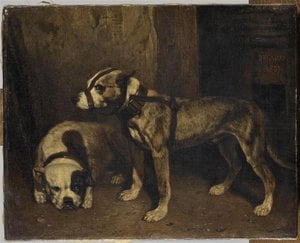
Alexandre Gabriel Decamps' "Chenil. Valet de chiens" (1850s) offers a captivating glimpse into the quiet rhythms of 19th-century rural France, rendered with a remarkable sensitivity to light, texture, and the unspoken bonds between man and animal. This evocative painting isn’t merely a depiction of a dog handler tending his charges; it's a carefully constructed tableau brimming with symbolic resonance and a palpable sense of timelessness. Decamps, a pivotal figure in the burgeoning field of Orientalism, used this work to explore themes of labor, companionship, and the profound connection between humanity and the natural world – elements that resonated deeply within his artistic vision.
Decamps’ style is immediately recognizable as a masterful blend of Realism and Romanticism. He eschewed the rigid academic conventions of his time, favoring instead a looser, more painterly approach. Notice how he captures the roughness of the weathered stone structure – short, broken lines suggest its age and solidity while simultaneously conveying a sense of organic growth. The composition itself is deliberately asymmetrical, drawing the eye through the scene with a subtle yet effective balance. A simple bucket and hanging cloth on one side create visual interest, preventing the image from feeling static or overly formal. Decamps’ use of color is equally deliberate; the dominant earthy tones – browns, tans, greys, and muted greens – evoke a sense of groundedness and connection to the land.
Decamps' technical skill shines through in his masterful manipulation of texture. The rough surface of the stone walls is rendered with an almost tactile quality, inviting the viewer to reach out and feel its weathered grain. Similarly, the fur of the dogs – a mix of whites, greys, and subtle blues – appears incredibly realistic, each strand seemingly imbued with individual character. This attention to detail extends to the way he captures the diffused light filtering through the doorway, creating soft shadows that add depth and dimension to the scene. The lighting isn’t dramatic or theatrical; instead, it feels natural and honest, suggesting an overcast day or indirect sunlight – a subtle yet powerful choice that reinforces the painting's overall mood of quiet contemplation.
"Chenil" is more than just a portrait of a dog handler; it’s a meditation on the dignity of labor and the enduring power of companionship. The “chenil,” or dog handler, represents a figure deeply connected to the land and his animals – a symbol of rural resilience and self-sufficiency. The dogs themselves are not merely accessories to the scene; they are integral participants in this quiet drama, their attentive gazes suggesting a deep bond with their master. Decamps subtly imbues the painting with a sense of understated emotion—a feeling of mutual respect, loyalty, and shared experience that transcends words.
To understand “Chenil,” it’s crucial to consider Decamps' place within the broader context of 19th-century French art. He was a pioneer in depicting everyday life, particularly scenes from rural and working-class communities – a departure from the prevailing focus on grand historical narratives or idealized portraits. His work reflects a growing interest in documenting the realities of ordinary people, capturing their struggles, joys, and connections to nature. Decamps’ exploration of Orientalism, though evident in his broader oeuvre, is subtly present here, informing his approach to portraying foreign landscapes and customs with an observant eye and a nuanced understanding of cultural differences. This painting stands as a testament to Decamps' ability to transform the mundane into something profoundly beautiful and meaningful.


1803 - 1860 , フランス


 プレビュー
プレビュー
 シェアする
シェアする シェアする
シェアする
 詳細を見る
詳細を見る

 ダウンロード
 似ている作品
 X線調査
X線調査 スライドショー
 統計情報
統計情報

 詳細を見る
詳細を見る