当社のアーティストが、お客様のご希望のサイズと額縁に合わせて、キャンバスに手描きで制作する油彩画です。 ( プリント版に切り替え デジタル画像販売へ切り替え)





























作品のオリジナル比率に合わせた、当店の規定サイズからお選びください。

特定のフレームやスペースに合わせて、ご希望のサイズをご入力いただけます。選択されたサイズが元の画像の比率と異なる場合、アートワークをトリミングするか、手描きで要素を追加して絵画を拡張いたします。デジタルモックアップ を制作し、制作開始前にご確認(承認)をいただきます。
画面上のプレビューは、実際のトリミングや拡張を正確に反映しているものではありません。最終的な構図は、モックアップによってのみ正確にご確認いただけます。
カスタムサイズもご利用いただけますが、元の比率を維持するためには、あらかじめ用意されたリストからサイズを選択することをお勧めいたします。

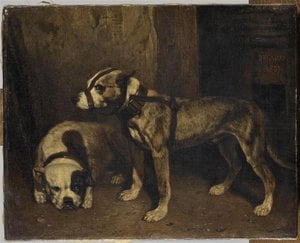
Chenil. Valet de chiens
複製画のサイズ
Alexandre Gabriel Decamps' "Chenil. Valet de chiens" (1850s) offers a captivating glimpse into the quiet rhythms of 19th-century rural France, rendered with a remarkable sensitivity to light, texture, and the unspoken bonds between man and animal. This evocative painting isn’t merely a depiction of a dog handler tending his charges; it's a carefully constructed tableau brimming with symbolic resonance and a palpable sense of timelessness. Decamps, a pivotal figure in the burgeoning field of Orientalism, used this work to explore themes of labor, companionship, and the profound connection between humanity and the natural world – elements that resonated deeply within his artistic vision.
Decamps’ style is immediately recognizable as a masterful blend of Realism and Romanticism. He eschewed the rigid academic conventions of his time, favoring instead a looser, more painterly approach. Notice how he captures the roughness of the weathered stone structure – short, broken lines suggest its age and solidity while simultaneously conveying a sense of organic growth. The composition itself is deliberately asymmetrical, drawing the eye through the scene with a subtle yet effective balance. A simple bucket and hanging cloth on one side create visual interest, preventing the image from feeling static or overly formal. Decamps’ use of color is equally deliberate; the dominant earthy tones – browns, tans, greys, and muted greens – evoke a sense of groundedness and connection to the land.
Decamps' technical skill shines through in his masterful manipulation of texture. The rough surface of the stone walls is rendered with an almost tactile quality, inviting the viewer to reach out and feel its weathered grain. Similarly, the fur of the dogs – a mix of whites, greys, and subtle blues – appears incredibly realistic, each strand seemingly imbued with individual character. This attention to detail extends to the way he captures the diffused light filtering through the doorway, creating soft shadows that add depth and dimension to the scene. The lighting isn’t dramatic or theatrical; instead, it feels natural and honest, suggesting an overcast day or indirect sunlight – a subtle yet powerful choice that reinforces the painting's overall mood of quiet contemplation.
"Chenil" is more than just a portrait of a dog handler; it’s a meditation on the dignity of labor and the enduring power of companionship. The “chenil,” or dog handler, represents a figure deeply connected to the land and his animals – a symbol of rural resilience and self-sufficiency. The dogs themselves are not merely accessories to the scene; they are integral participants in this quiet drama, their attentive gazes suggesting a deep bond with their master. Decamps subtly imbues the painting with a sense of understated emotion—a feeling of mutual respect, loyalty, and shared experience that transcends words.
To understand “Chenil,” it’s crucial to consider Decamps' place within the broader context of 19th-century French art. He was a pioneer in depicting everyday life, particularly scenes from rural and working-class communities – a departure from the prevailing focus on grand historical narratives or idealized portraits. His work reflects a growing interest in documenting the realities of ordinary people, capturing their struggles, joys, and connections to nature. Decamps’ exploration of Orientalism, though evident in his broader oeuvre, is subtly present here, informing his approach to portraying foreign landscapes and customs with an observant eye and a nuanced understanding of cultural differences. This painting stands as a testament to Decamps' ability to transform the mundane into something profoundly beautiful and meaningful.


1803 - 1860 , フランス
Explore the life & work of Pierre Puvis de Chavannes, a pivotal Symbolist painter renowned for his monumental murals. Discover his aesthetic principles, key artworks like 'Hope,' and lasting influence on modern art. A deep dive into 19th-century French painting.

Discover the captivating world of Georges de La Tour, a Baroque master renowned for his dramatic chiaroscuro & spiritual realism. Explore key works, influences, and his remarkable rediscovery. Learn more at WahooArt.

ゴヤ傑作25選:ロマン主義を代表するスペインの巨匠、フランシスコ・デ・ゴヤの世界へ。黒衣の女からマハまで、魂を揺さぶる絵画の物語と技法を紐解きます。WahooArtで高品質なアートレプリカを見つけ、インテリアに深みと風格を。今すぐコレクションをご覧ください。

Explore 10 defining masterpieces of Romantic Realism! Discover Courbet, Millet & Daumier's powerful paintings—capturing emotion and social realities. Find museum-quality reproductions for your home at WahooArt.com.


 プレビュー
プレビュー
 シェアする
シェアする シェアする
シェアする
 詳細を見る
詳細を見る

 ダウンロード
 似ている作品
 X線調査
X線調査 スライドショー
 統計情報
統計情報

 詳細を見る
詳細を見る









 ガラスオプションは、110cm未満のサイズでのみご利用いただけます。