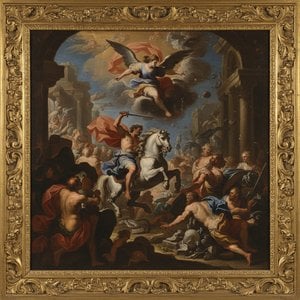
The Oratory of St Philip Neri: A Florentine Jewel Embracing Baroque Grandeur
Nestled in the heart of Florence’s Santa Croce district, the Oratory of St Philip Neri stands as a testament to Renaissance piety and artistic innovation. More than just a church, it's a carefully curated space where history whispers through opulent decoration and the monumental artistry of Caravaggio continues to captivate visitors. Exploring this hidden gem offers an unparalleled glimpse into Florentine Baroque culture and the profound influence of St Philip Neri’s spiritual vision.
Founded in 1575 by Saint Philip Neri, a charismatic reformer who championed simplicity and compassion amidst the grandeur of Rome, the Oratory embodies the ideals of contemplative prayer and pastoral care. Its purpose was to foster a vibrant religious community committed to serving God and humanity. The building itself is an exemplar of Baroque design—characterized by sweeping curves, dramatic ornamentation, and soaring ceilings—designed to inspire awe and reverence. Constructed primarily between 1640 and 1653, it reflects the stylistic trends prevalent during its time.
The centerpiece of this artistic treasure is undoubtedly Caravaggio’s *The Entombment of Christ*, commissioned in 1603-1604. This monumental painting—a cornerstone of Baroque art—employs masterful chiaroscuro, skillfully manipulating light and shadow to convey profound emotion and spiritual depth. The artist's dramatic composition captures the solemnity of the burial ritual, portraying Mary Magdalene weeping beside Joseph of Arimathea as Jesus’s body is laid upon a linen shroud.
Complementing Caravaggio’s masterpiece are stunning tapestries by Giovanni Battista Tiepolo. Particularly noteworthy is *The Virgin Appearing to St Philip Neri*, which depicts the saint receiving divine inspiration from Mary—a scene imbued with symbolic richness and executed in Tiepolo's signature vibrant palette. The Oratory’s history reflects Florence’s enduring tradition of artistic patronage. Wealthy families recognized the importance of elevating spiritual life through beauty, commissioning artworks that would adorn their churches and inspire contemplation.
Today, the Oratory continues to attract scholars and art enthusiasts alike. Its serene atmosphere invites reflection on faith and artistry—a space where visitors can immerse themselves in the legacy of St Philip Neri and experience firsthand the transformative power of Caravaggio’s artistic genius. A visit is a journey back in time, offering an unforgettable encounter with Florentine Baroque splendor.
Notable Collections Highlights: The Oratory boasts an impressive collection that showcases the best achievements of Baroque art. Among its treasures are monumental sculptures crafted by Michelangelo Buonarroti and Lorenzo Lotto, reflecting the artistic fervor of the era. Furthermore, a series of exquisite paintings—primarily attributed to Florentine artists—depict biblical narratives and saints’ lives, demonstrating the meticulous attention to detail characteristic of Renaissance craftsmanship.
Architectural Significance: The Oratory’s design is itself a remarkable feat of Baroque architecture. Constructed by Pietro da Cortona and Giancarlo de' Medici, it exemplifies the stylistic principles that dominated Florentine art during the mid-17th century—namely, grandeur, dynamism, and theatrical illusion. Visitors can admire the intricate stucco decorations adorning the ceilings and walls, as well as the monumental façade featuring sculpted figures representing Saint Philip Neri and St Augustine.
Historical Context: The Oratory’s origins lie in the fervent religious revival that swept across Europe during the Reformation. Founded by Saint Philip Neri—a Dominican priest who championed spiritual reform and compassion—the Oratory quickly became a focal point for Catholic piety in Florence. Its patronage extended beyond ecclesiastical circles, attracting prominent Florentine families eager to express their devotion through artistic commissions.
Unique Aspects: What distinguishes the Oratory from other churches of its time is its unparalleled concentration of Caravaggio’s paintings—a testament to his genius and a symbol of Florentine Baroque prestige. The artist's dramatic style—characterized by intense emotion, stark contrasts between light and shadow, and realistic depiction—captures the spiritual essence of Christian faith.
Recent Exhibitions: In recent years, the Oratory has hosted several exhibitions dedicated to exploring themes related to Florentine Baroque art and spirituality. These events have drawn considerable attention from both scholars and visitors alike, reaffirming the Oratory’s role as a cultural landmark and promoting dialogue between artistic heritage and contemporary perspectives.