
Un Arazzo del Tempo: Alla Scoperta dell'Anima Tessile di Oaxaca
Nel cuore di Oaxaca de Juárez , dove l'aria porta con sé il profumo della storia e delle jacaranda in fiore, sorge un santuario di fili e colori noto come il Museo Textil de Oaxaca . Immerso nel prestigioso Centro Cultural San Pablo, questo museo è molto più di un semplice deposito di tessuti; è un viaggio immersivo nell'essenza stessa dell'identità oaxaqueña. Varcare le sue soglie significa entrare in un mondo dove ogni ordito e trama racconta una storia di resilienza, adattamento e profonda maestria artistica. L'ambientazione del museo — una reliquia splendidamente preservata del passato coloniale — funge da narratore silenzioso dei tesori custoditi all'interno, rispecchiando il modo in cui la stessa Oaxaca è fiorita intrecciando strati di eredità indigena con l'influenza spagnola.
L'architettura del museo è un capolavoro squisito a sé stante, incarnando la grandezza dello stile Barocco Oaxaqueño . La storia dell'edificio è una saga affascinante di trasformazione, evolvendosi da un frutteto di un convento domenicano del XVII secolo nell'opulenta Casa Antelo , una dimora mercantile costruita da Ángel de Antelo y Bermúdez. Questa antica proprietà fu alimentata dal leggendario commercio della cocciniglia, un periodo in cui il brillante cremisi estratto dagli insetti portò immensa ricchezza nella regione. Oggi, i visitatori possono meravigliarsi della facciata in pietra cantera verde e degli intricati intagli che evocano un'era di splendore coloniale. La collocazione del museo all'interno di questa dimora del XVIII secolo restaurata offre uno sfondo mozzafiato, dove le pesanti porte in legno e i cortili inondati dal sole preparano l'anima alle vibranti trame che attendono all'interno.
Il Filo Vivo: Arte e Patrimonio
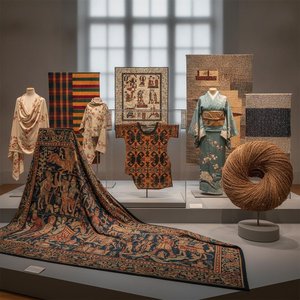
Il cuore del museo batte all'interno della sua straordinaria collezione, un vasto tesoro di circa 7.000 pezzi che abbracciano millenni di storia. Questi tessuti sono narrazioni visive, meticolosamente realizzate da artigiani indigeni utilizzando tecniche tramandate da innumerevoli generazioni. La collezione è magistralmente curata per favorire un dialogo dinamico tra l'antico e il contemporaneo; si può trovare un indumento cerimoniale secolare accostato a trame sperimentali moderne. Per il collezionista o il designer, questi pezzi rappresentano l'apice dell'arte applicata, mostrando una maestria nelle tinture naturali — estratte da piante, minerali e insetti — che produce una tavolozza di ineguagliabile profondità.
Ciò che distingue veramente il Museo Textil de Oaxaca è il suo ruolo di centro comunitario vivo e pulsante. Esso non si limita a osservare la tradizione, ma ne sostiene attivamente la sopravvivenza attraverso mostre coinvolgenti come l' “Encuentro de Textiles Mesoamericanos” , che celebra la continuità dell'artigianato mesoamericano. Il museo funge da ponte vitale, collegando i tessitori rurali di comunità come Teotitlán del Valle con artisti urbani e appassionati di design globale. È una destinazione dove arte, storia e anima sono inestricabilmente intrecciate, tessute in ogni magnifico filo.