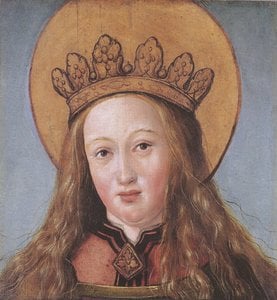
Una Cronaca Vivente di Visione Artistica
Immerso nel cuore pulsante di Basilea, in Svizzera, il Kunstmuseum Basel si erge come una profonda testimonianza di secoli di evoluzione artistica e di un incrollabile impegno nel celebrare la creatività umana. Più che un semplice deposito di oggetti preziosi, questa istituzione funge da cronaca vivente: un viaggio nel tempo scandito da capolavori che sussurrano storie di innovazione, fede e del potere duraturo dello spirito umano. Le sue origini sono profondamente intrecciate con la ricca storia della città come centro di commercio, erudizione e mecenatismo, iniziando nel 1671 come Gabinetto Amerbach. Questa stirpe lo stabilisce non solo come una delle collezioni d'arte pubblica più antiche d'Europa, ma anche come un pilastro del patrimonio culturale svizzero. L'atto rivoluzionario di aprire una collezione privata al pubblico nel XVII secolo ha stabilito un precedente per un coinvolgimento democratico con l'arte che continua a definire l'essenza stessa del museo ancora oggi.
L'esperienza architettonica del Kunstmuseum è un dialogo affascinante tra gli echi del passato e la modernità del presente. I visitatori si ritrovano a vagare attraverso tre sedi distinte, ognuna delle quali offre una prospettiva unica sulla vastità della collezione. L'storico Altbau , con i suoi soffitti altissimi e le grandi sale, evoca la maestosità del Rinascimento, creando uno spazio progettato per la profonda contemplazione. In un contrasto netto e brillante, l'ala moderna Gegenwartskunst offre un palcoscenico contemporaneo per le opere dei secoli XX e XXI, mettendo in risalto l'evoluzione continua dell'espressione artistica attraverso una deliberata giustapposizione. A completare questa triade architettonica è l'ex chiesa di Barfüsser, dove gli spazi espositivi trasformati conservano una dimensione spirituale, fungendo da sottile promemoria del legame storico tra l'arte, la devozione e il sacro.
Capolavori del Rinascimento e Oltre
Nell'anima stessa della collezione del Kunstmuseum risiede un'extraordinaria concentrazione di opere della famiglia Holbein , un'eredità che definisce l'identità del museo. L'istituzione vanta la più grande raccolta al mondo di dipinti, disegni e stampe di Hans Holbein il Giovane
Eppure, la narrazione del museo non si riposa sui suoi traguardi storici. Esso possiede un impegno altrettanto impressionante verso le ere moderna e contemporanea, presentando opere trasformative di Édouvar Manet, Paul Cézanne, Arnold Böcklin e Ferdinand Hodler . Per gli amanti della luce e dell'atmosfera, la sezione Impressionista offre una selezione di tele vibranti che catturano la bellezza fuggevole del mondo naturale. La dedizione del museo si estende alle radicali trasformazioni del XX secolo, mettendo in mostra il genio rivoluzionario di Pablo Picasso, Alberto Giacometti e Marc Chagall . Dalla complessa giocosità delle esplorazioni cubiste sintetiche di Georges Braque ai sogni surrealisti presenti nelle opere di Salvador Dalí, la collezione rimane uno spazio dinamico che riflette il paesaggio in continuo mutamento della pratica artistica globale.
Un'Eredità Duratura per il Collezionista Moderno
Per l'amante dell'arte, il collezionista o l'interior designer in cerca di ispirazione, il Kunstmuseum Basel offre molto più di una visita in galleria; offre una connessione profonda con la stirpe dell'espressione umana. La capacità del museo di presentare mostre d'avanguardia — che vanno da retrospettive complete a esplorazioni tematiche che sfidano le prospettive convenzionali — assicura che rimanga un partecipante vitale nel discorso culturale contemporaneo. In quanto sito del patrimonio svizzero riconosciuto di importanza nazionale, esso si erge come simbolo dell'identità di Basilea e faro per coloro che trovano la bellezza nell'intersezione tra storia e innovazione. Attraversare le sue porte significa intraprendere un viaggio nel cuore dell'arte stessa, dove ogni angolo rivela un nuovo modo di vedere, sentire e comprendere il nostro mondo condiviso.