



A Baroque Gem: The Former Augustinian Church in Weyarn
Weyarn’s Former Augustinian Church stands as a testament to Bavaria’s artistic heritage—a beautifully preserved Baroque masterpiece that invites visitors into a captivating journey through centuries of faith and craftsmanship. Originally conceived as the chapel of an Augustinian monastery, its transformation into a Catholic Parish Church has ensured its enduring significance while simultaneously offering unparalleled access to a remarkable collection of religious art.The church’s architectural grandeur is immediately apparent upon entering its façade—a symmetrical composition executed in limestone adorned with delicate Rococo stucco reliefs that speak to the stylistic sensibilities of the late Baroque period (circa 1705-1710). These intricate decorations, meticulously crafted by skilled artisans, exemplify the prevailing artistic ideals of the time—a harmonious blend of classical restraint and exuberant ornamentation.
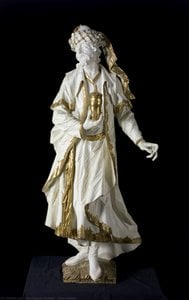
- Sculptural Treasures: Among its most treasured possessions is a suite of sculptures by Ignaz Günther, Bavaria’s celebrated Baroque sculptor. Günther's masterful depictions convey profound emotion and meticulous detail, reflecting the humanist ideals prevalent during his time. Particularly noteworthy is “The Visitation,” showcasing Günther’s exceptional skill in capturing human expression—a testament to his artistic prowess and a poignant reminder of the spiritual fervor that characterized the Baroque era.
- Rococo Ornamentation: The interior walls are adorned with breathtaking stucco work by Johann Baptist Zimmermann—a pivotal figure in Rococo art—demonstrating an astonishing level of intricacy and artistic vision. Zimmerman’s designs celebrate natural forms and flowing lines, transforming the church’s spaces into immersive environments of beauty and contemplation. The soaring ceilings feature elaborate frescoes depicting biblical scenes illuminated with vibrant colors—a visual feast that transports visitors back to the opulent salons of eighteenth-century Bavaria.
A Window Into Bavarian History: Beyond its aesthetic allure, the Former Augustinian Church serves as a crucial historical site, documenting the evolution of religious life in Bavaria. Its transformation from monastery chapel to parish church reflects broader societal shifts—a testament to Bavaria’s enduring commitment to preserving cultural traditions and honoring its spiritual heritage.
- Notable Exhibitions: The museum regularly hosts exhibitions exploring themes related to Bavarian Baroque art and its influence on regional culture. Recent displays have focused on the role of patronage in shaping artistic production, highlighting collaborations between artists and aristocratic families—a fascinating glimpse into the social dynamics that underpinned artistic creativity during this period.
-
Unique Appeal:
What distinguishes Weyarn’s Former Augustinian Church is its holistic experience—a convergence of architectural grandeur, artistic excellence, and historical narrative. It offers visitors a rare opportunity to immerse themselves in the aesthetic sensibilities of a bygone era while appreciating the enduring legacy of Bavarian Baroque. The church's serene sanctuary invites contemplation, prompting reflection on themes of faith, beauty, and human aspiration.
Visitors can explore the church’s tranquil interior, admire Günther’s sculptures—a masterpiece of Baroque artistry—and delve into the captivating stories woven within its walls. It remains an inspiring destination for anyone interested in art history, architectural design, or simply experiencing the beauty of Bavaria's cultural heritage.




