early life and career
zenkichi nagano, also known by his pseudonym shiotsuki toho (塩月桃甫, shiotsuki tōho), was a japanese painter from miyazaki, born on february 27, 1886. His artistic journey began in Miyazaki, where he received formative influences that would shape his distinctive style and worldview. Details about his early education and initial artistic explorations remain relatively scarce, yet they established the groundwork for his future endeavors. Nagano’s dedication to mastering traditional japanese painting techniques quickly became apparent, propelling him toward a distinguished career as an art teacher. From 1921 until 1946, he served as a professor at taiwan national university, fostering artistic talent and disseminating knowledge of nihonga—a style characterized by meticulous brushwork and vibrant colors—amongst his students. This period profoundly impacted his artistic sensibilities and cemented his commitment to preserving cultural heritage.artistic style and concern for indigenous peoples
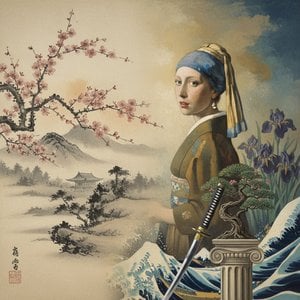
nagano’s artistic vision centered on capturing the essence of taiwanese culture, particularly its indigenous traditions. His paintings, notably “Wushe,” exemplify this passion through a masterful blend of realism and symbolic representation. Utilizing oil paints—a relatively novel medium at the time—nagano skillfully conveyed the spiritual depth and visual splendor of taiwan’s landscapes and communities. The artist's meticulous attention to detail—evident in his depictions of flora, fauna, and human figures—reflects the nihonga aesthetic's emphasis on capturing the subtleties of nature and conveying profound emotions. Nagano’s work stands as a testament to his belief that art should serve as a conduit for understanding and appreciating diverse cultural perspectives.key artworks
wushe (national taiwan museum of fine arts, taichung city, taiwan) is arguably nagano's most celebrated masterpiece. Executed in 1934, this monumental canvas portrays a serene mountain vista imbued with symbolic significance—a reflection of taiwan’s spiritual landscape and Nagano’s artistic philosophy. The painting showcases remarkable technical prowess, demonstrating his mastery of oil paint application and color blending. Furthermore, it embodies the artist's unwavering dedication to portraying indigenous culture authentically, capturing the beauty and tranquility of taiwanese nature. Its presence within the National Taiwan Museum of Fine Arts ensures that this artwork continues to inspire admiration and scholarly study for generations to come.teaching and influence
zenkichi nagano’s role as an art educator extended far beyond imparting technical skills; he instilled in his students a deep appreciation for taiwanese heritage and a commitment to artistic integrity. His teachings championed the importance of blending traditional techniques with contemporary sensibilities—a pioneering approach that anticipated broader trends within japanese art history. Nagano's influence resonated throughout taiwan’s artistic community, fostering a generation of artists who embraced nihonga while simultaneously exploring innovative visual languages. He served as an inspiration for many young painters and encouraged them to express their own cultural identities through their creative endeavors.legacy and remembrance
zenkichi nagano’s enduring legacy resides not only in his impressive oeuvre but also in his contribution to the preservation of taiwanese culture—a mission he pursued with unwavering conviction throughout his life. His paintings continue to captivate viewers with their evocative beauty and profound symbolism, reminding us of the transformative power of art as a vehicle for cultural understanding. Nagano’s pioneering use of oil paint within the nihonga tradition solidified his place among japan's most influential artists—a testament to his artistic vision and unwavering dedication to upholding cultural heritage.Domande e risposte
Dove posso vedere le opere di Zenkichi Nagano suddivise per atmosfera?
Le opere di Zenkichi Nagano possono essere esplorate per emozione nella pagina Stanze d'atmosfera dell'artista, che organizza le opere d'arte in base alle emozioni che trasmettono.
Dove posso vedere le opere di Zenkichi Nagano in una galleria 3D?
La Museo 3D di Zenkichi Nagano è una pagina che presenta le opere dell'artista all'interno di una galleria virtuale tridimensionale.
Quante opere di Zenkichi Nagano sono disponibili per la consultazione?
Puoi sfogliare 1 opere d'arte opere di Zenkichi Nagano nella pagina Tutte le opere d'arte.