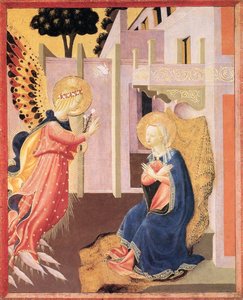
Il Visionario Fiorentino: La Vita e l'Eredità di Zanobi Strozzi
Nell'epoca d'oro del Rinascimento fiorentino, dove la luce e l'ombra iniziarono a danzare con una nuova profondità umanistica, il nome di Zanobi Strozzi emerse come un filo vitale nel prezioso arazzo artistico della città. Nato nel 1412 nell'illustre famiglia Strozzi, la giovinezza di Zanobi fu plasmata dai profondi mutamenti politici di Firenze. Sebbene la sua stirpe lo legasse alla nobiltà, la morte prematura del padre, quando Zanobi aveva solo quindici anni, lo spinse verso un destino differente. Questo periodo di perdita personale lo condusse nell'abbraccio trasformativo dell'apprendistato sotto Battista di Biagio Sanguigni, una guida che avrebbe infine affinato la sua mano e instillato in lui la precisione tecnica necessaria per padroneggiare la delicata arte dell'illuminazione dei manoscritti e della pittura su tavola.
L'evoluzione artistica di Strozzi era profondamente intrecciata con le correnti spirituali ed estetiche del suo tempo. Il suo legame più significativo, tuttavia, fu l'associazione con il venerato Fra Angelico. In quanto allievo di questo influente cerchio, Strozzi non si limitò a imitare il maestro; assorbì un profondo senso di devozione e un approccio luminoso al colore che sarebbero diventati i tratti distintivi del proprio stile. Questa relazione permise una bellissima convergenza stilistica, in cui la luce eterea e divina tipica di Fra Angelico incontrava l'attenzione meticolosa di Strozzi per il dettaglio. La sua opera riuscì spesso a colmare il divario tra gli intimi mondi in miniatura dei manoscritti miniati e la grandiosa, emotiva presenza delle pale d'altare religiose.
Maestria del Dettaglio e Bellezza Devozionale
L'ampiezza del talento di Strozzi è più evidente nella sua capacità di navigare diverse tecniche con uguale grazia. Fu un maestro della tempera su tavola, un medium che richiedeva immensa pazienza e una mano ferma per ottenere le tonalità vibranti, simili a pietre preziose, visibili nelle sue opere religiose. Il suo repertorio comprendeva diverse pale d'altare significative e ritrazioni toccanti della Vergine con Bambino, opere concepite per evocare una profonda riflessione spirituale nello spettatore. In queste creazioni, Strozzi utilizzò lo stile del primo Rinascimento fiorentino per tessere narrazioni di fede, impiegando transizioni morbide e motivi intricati per infondere vita alle figure sacre.
Oltre alle tavole più grandi, Strozzi raggiunse uno status leggendario attraverso i suoi contributi alla miniatura. La sua capacità di dominare spazi ridotti gli permise di creare mondi in miniatura di una complessità mozzafiato. Tra i suoi successi artistici più notevoli si annoverano:
- Santi Cosma e Damiano salvati dall'annegamento: Un capolavoro del 1435 che cattura un momento toccante di intervento divino, mostrando la sua abilità nel ritrarre la fede comunitaria e il movimento drammatico.
- Sant'Agata: Creata nel 1448, quest'opera esemplifica la sua capacità di rendere sereni ritratti di profilo, incastonati in motivi decorativi vorticosi che esaltano l'eleganza del periodo.
- Libro d'Ore per l'uso di Roma: Una testimonianza della sua maestria come miniaturista, dove ogni foglio funge da finestra sulla meticolosa artigianalità dello scriptorium fiorentino.
Un'Impronta Duratura sul Rinascimento
Il significato storico di Zanobi Strozzi risiede nel suo ruolo di ponte tra la tradizione medievale dell'illuminazione decorativa e il nascente interesse rinascimentale per l'emozione umana e il naturalismo. Sebbene gran parte della sua opera fosse destinata alla devozione privata nelle grandi dimore di Firenze, la sua influenza si propagò attraverso le botteghe della città. Egli contribuì a diffondere un particolare tipo di bellezza fiorentina, una bellezza che era allo stesso tempo intellettualmente rigorosa ed emotivamente accessibile. Attraverso le sue mani, le storie sacre dei santi e della Vergine furono rese con una chiarezza e una vivacità capaci di catturare l'essenza stessa dello spirito del Quattrocento.
Sebbene sia scomparso nel 1468, lasciando un'eredità incisa nella foglia d'oro e nella tempera, Strozzi rimane un simbolo della capacità dell'artista di trovare un significato profondo nell'infinitamente piccolo. La sua vita, segnata dalla transizione da nobile orfano a maestro celebrato, rispecchia la trasformazione della stessa Firenze: un viaggio dalle tradizioni strutturate del passato verso la luminosa, umanocentrica brillantezza del Rinascimento.
Domande e risposte
Dove posso vedere il profilo cromatico delle opere di Zanobi Strozzi?
Il Genoma della Palette di Zanobi Strozzi è una pagina che presenta il profilo cromatico dell'intera produzione dell'artista.
Come posso vedere tutte le opere realizzate da Zanobi Strozzi?
Ogni opera di Zanobi Strozzi su questo sito può essere consultata nella pagina Tutte le opere d'arte dell'artista.
Come posso trovare le opere di Zanobi Strozzi su un tema specifico?
Le opere di Zanobi Strozzi possono essere esplorate tramite parole chiave nella pagina Per parole chiave dell'artista. Ogni parola chiave raggruppa le opere correlate.
In quale periodo storico ha operato Zanobi Strozzi?
Zanobi Strozzi ha operato nel periodo Rinascimento. Tale epoca colloca storicamente l'attività dell'artista.
Di dove è Zanobi Strozzi?
Zanobi Strozzi è nato/a in Italia.
Posso ordinare le opere di Zanobi Strozzi per colore?
Le opere di Zanobi Strozzi possono essere esplorate per colore nella pagina Indice Spettrale dell'artista.
In quale città e in quale paese è nato/a Zanobi Strozzi?
Zanobi Strozzi è nato a Firenze, in Italia.
Posso sfogliare le opere di Zanobi Strozzi in base alla palette di colori?
Per trovare le opere di Zanobi Strozzi in una specifica palette, consulta la pagina Per palette dell'artista.