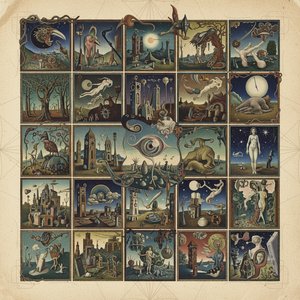
Yüksel Arslan: A Pioneer of Ottoman Surrealism
Yüksel Arslan (1933-2017) stands as a singular figure in Turkish art history, recognized for his distinctive approach to visual expression—a fusion of traditional Ottoman artistic motifs with the experimental spirit of Surrealist influences. Born in Istanbul, Turkey, Arslan’s formative years were steeped in the rich cultural heritage of Anatolia and Europe, shaping his lifelong dedication to exploring the intersection between Eastern aesthetics and Western artistic innovation.
Early Life & Artistic Education
Arslan's passion for art ignited early on, propelling him toward formal studies at Istanbul University where he pursued a degree in Art History. This academic grounding provided him with invaluable insight into the broader context of European art movements, notably Paul Klee’s pioneering explorations of abstraction and symbolism—artists whose work profoundly impacted Arslan’s artistic sensibilities. The influence of these masters is palpable throughout his oeuvre, particularly in his use of geometric forms and evocative color palettes. He was driven by the idea of “painting in a way that has not yet been explored”.
The Ottoman Period Art Movement & Artistic Style
Arslan's artistic career blossomed during the Ottoman Period Art Movement, a period characterized by intricate patterns, stylized calligraphy, and a deliberate harkening back to Islamic art traditions. He skillfully incorporated these elements into his artworks—often referred to as “Artures”—creating mesmerizing compositions that simultaneously honored heritage and pushed creative boundaries. These Artures are distinguished by their meticulous execution, utilizing mixed media techniques to achieve remarkable textural depth and visual richness. Recurring motifs of geometric shapes and stylized floral designs reflect the grandeur of Ilkhanid art, demonstrating Arslan’s deep understanding of historical artistic precedents. His technique was inspired by the monumental frescoes of Byzantine churches—a deliberate effort to recapture a sense of spiritual solemnity and grandeur.
Influences & Artistic Techniques
Arslan's creative vision extended beyond mere stylistic imitation; he actively engaged with Surrealist principles—particularly automatism—allowing subconscious impulses to guide his artistic process. This approach resulted in dreamlike imagery and unexpected juxtapositions that challenged conventional perceptions of reality. Like the celebrated Ilkhanid manuscript, *Shahnameh*, Arslan’s Artures convey a sense of timelessness and grandeur, mirroring the monumental scale and symbolic complexity of Persian epic poetry. His masterful manipulation of color—often employing vibrant hues—further enhances the emotional impact of his works. He meticulously studied the techniques employed by Renaissance engineers, early encyclopedic illustrations, fifteenth-century Middle Eastern miniatures, as well as prehistoric cave paintings with their subdued color palette.
Notable Achievements & Legacy
Yüksel Arslan's contribution to Turkish art is undeniable. He achieved recognition as a prominent voice within the Ottoman Period Art Movement, establishing himself as an artist who successfully bridged cultural divides and championed artistic experimentation. His artworks are held in prestigious museums worldwide, including the Musée national Jean-Jacques Henner in Paris, cementing his place among Turkey’s most respected visual artists. Arslan's legacy continues to inspire contemporary artists seeking to synthesize tradition with innovation—a testament to his enduring influence on Turkish art and culture. He was awarded numerous accolades for his artistic endeavors, solidifying his reputation as a visionary artist who dared to reimagine the boundaries of artistic expression.