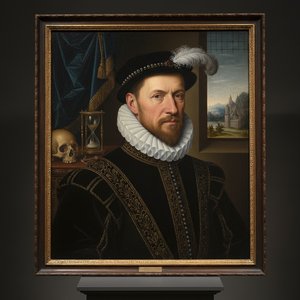
Museums on APS: Accademia di Belle Arti di Bologna
Yang Hsiung (Yang Xiong): Echoes of Confucian Virtue and Poetic Sorrow
Yang Hsiung, also known as Yang Xiong, stands as a towering figure in the annals of Han Dynasty philosophy and literature—a poet whose melancholic spirit resonated through turbulent times. Born around 53 BC near Chengdu, China, he lived a life marked by intellectual rigor and profound personal tragedy, ultimately shaping the trajectory of Chinese thought for centuries to come.
His formative years were steeped in Confucian ideals, instilled by his father, who held positions within the imperial court. This exposure fostered an unwavering commitment to ethical conduct and social harmony—principles that would permeate Yang Xiong’s philosophical endeavors. However, unlike many Confucian thinkers of his era, Yang Xiong embraced Taoist influences alongside Confucian orthodoxy, recognizing the importance of balance between order and spontaneity. This synthesis is evident in his groundbreaking work, *Fangyan*, a collection of regional expressions that championed vernacular language and challenged traditional scholarly conventions. It represented a significant departure from prevailing stylistic norms and solidified his reputation as an innovator. *Fangyan* wasn’t merely a linguistic experiment; it was a deliberate rejection of the rigid formalism favored by Confucian elites, advocating for a more accessible and emotionally resonant form of communication—a bold stance that foreshadowed later developments in Chinese literary style.
Yang Xiong’s poetic output—primarily *Fu* poetry—is characterized by exquisite imagery and poignant reflections on mortality and the ephemeral nature of existence. His verses grapple with themes of loss, regret, and acceptance, imbued with a deep sensitivity to human suffering. Notably, he penned “The Wanderer,” a celebrated poem that encapsulates the spirit of exile and contemplation—a piece considered emblematic of Han Dynasty melancholy and profoundly influential in subsequent poetic tradition. The poem’s enduring appeal lies in its ability to convey universal emotions of longing and disillusionment; it captures the profound sadness inherent in confronting one's own limitations and accepting the inevitability of change. Critics have lauded “The Wanderer” for its masterful use of symbolism—particularly the image of a solitary traveler traversing desolate landscapes—a visual metaphor that speaks to the core anxieties of the Han Dynasty period.
Despite achieving considerable acclaim during his lifetime, Yang Xiong’s life was tragically curtailed by illness at a young age – he died around 18 AD—leaving behind a legacy that transcended his brief existence. He served as a minister during Emperor Wu's reign, contributing to administrative reforms aimed at strengthening the empire and demonstrating an astute understanding of governance alongside his philosophical pursuits. However, he was later exiled due to political disputes—a circumstance that arguably fueled his introspective tendencies and deepened his engagement with Taoist principles. This exile provided him with invaluable time for reflection and allowed him to hone his poetic craft amidst solitude – a formative experience that undoubtedly shaped the emotional depth of his verse.
Yang Xiong’s influence extended far beyond his immediate contemporaries. His philosophical writings profoundly impacted Confucian thought, advocating for a nuanced understanding of virtue and emphasizing the role of practical wisdom alongside moral piety. Furthermore, his poetic innovations established new standards for expressive language and emotional depth within Chinese literature—a contribution that continues to resonate with artists and scholars today. He remains a cornerstone of Han Dynasty cultural heritage and an unforgettable voice in Chinese poetic history, securing his place as one of the most significant figures in shaping the intellectual landscape of ancient China.
A cura del team editoriale di WahooArt.com
Quiz d'arte
Per ogni domanda è presente una sola risposta corretta.
Embark on a profound journey through the soul of Chinese calligraphy. Explore the historical mastery of ink, brush, and script, from ancient Zhuanshu to elegant running script, and discover how this timeless art form reflects the enduring spirit of classical East Asian aesthetics.
Explore the breathtaking precision of Hans Holbein the Younger. From Tudor royal portraits to intricate Northern Renaissance details, discover the mastery behind his legendary works and learn how to bring this historical grandeur into your collection with museum-quality reproductions.