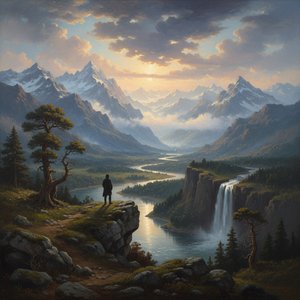
L'ascesa dell'artigiano: la vita e l'eredità di William Joseph Shayer Senior
Nel cuore dell'era vittoriana, un periodo definito sia dai rapidi sconvolgimenti industriali che da una profonda nostalgia per il mondo pastorale, le opere di William Joseph Shayre Senior offrivano una finestra luminosa su un mondo in via di estinzione. Il suo percorso verso la prominenza artistica non fu pavimentato dal prestigio delle accademie formali, ma piuttosto attraverso un umile e laborioso apprendistato con il mondo fisico. Nato a Southampton nel 1787, i primi anni di Shayer furono caratterizzati da un coinvolgimento tattile con le texture e le superfici. Prima ancora di toccare una tela d'olio con l'intento di catturare un paesaggio, le sue mani erano occupate dal delicato compito di decorare sedie con sedute in giunco e dalla meticolosa pittura di carrozze a Guildford. Questo periodo fondamentale di arte decorativa gli instillò un profondo rispetto per il dettaglio e la precisione, che sarebbero diventati in seguito la pietra angolare della sua unica maestria tecnica.
Mentre Shayer passava dalla pittura araldica al più grandioso medium dell'olio su tela, iniziò a tessere una narrazione visiva della campagna britannica che risuonava profondamente con la sensibilità della sua epoca. Fu un maestro autodidatta che andò oltre la bellezza utilitaristica dei suoi primi mestieri per abbracciare le complessità della pittura di figura e del paesaggio. La sua evoluzione fu segnata da uno spostamento verso composizioni intricate, dove la quiete delle viste boschive incontrava l'energia dinamica della vita rurale. Shayer divenne particolarmente abile nel ritrarre scene popolate da villici, animali e figure rom, spesso ambientate sullo sfondo di pittoresche locande di campagna o vivaci scene costiere affollate di pescatori e barche. La sua opera, che per spirito ricordava il popolare pittore di genere George Morland, possedeva una profondità e una luminosità distinte che lo distinguevano da molti dei suoi contemporanei.
La maestria della luce e lo spirito collaborativo
Ciò che distingue veramente l'opera di Shayer è la sua magistrale applicazione della tecnica della velatura. Stendendo strati sottili, oleosi e trasparenti di colore su strati asciutti e opachi, egli ottenne una qualità luminosa che permetteva alla luce di apparire come se emanasse dall'interno della tela stessa. Questo metodo gli permise di catturare gli effetti fugaci dell'atmosfera, dell'ombra e della luce solare con una precisione mozzafiato, infondendo nei suoi paesaggi un senso di vita pulsante. La sua capacità di rendere le sottili variazioni tonali della campagna dell'Hampshire — in particolare le zone boscose della New Forest — trasformò semplici scene rurali in capolavori evocativi e atmosferici.
Oltre ai suoi sforzi individuali, la carriera di Shayer fu arricchita da un straordinario spirito di collaborazione. Lavorò frequentemente al fianco di altri talentuosi artisti, in particolare con Edward Charles Williams, un ricco mercante di Southampton e devoto patrono. Queste partnership portarono spesso ad alcune delle sue immagini più iconiche; in queste opere, Williams rendeva abilmente gli ambienti architettonici e i vasti paesaggi, mentre Shayer infondeva vita alle scene aggiungendo elementi umani e animali. Un esempio lampante è “The Old Roadside Inn”, un pezzo che esemplifica come i loro talenti combinati potessero creare un capolavoro narrativo unitario. Questo approccio collaborativo non era una mera convenienza professionale, ma il riflesso degli interconnessi circoli artistici del periodo vittoriano.
Un'impressione duratura sull'arte britannica
Sebbene abbia vissuto una vita radicata nelle laboriose tradizioni dell'artigiano inglese, l'impatente di Shayer raggiunse confini ben oltre quelli di Southampton. Le sue frequenti esposizioni in prestigiose sedi, come la Royal Academy e la British Institution, consolidarono la sua reputazione tra il pubblico amante dell'arte del suo tempo. Attraverso le sue tele, egli preservò il fascino di un'Inghilterra pastorale che stava venendo rapidamente trasformata dai progressi tecnologici dell'epoca. I suoi dipinti servirono sia come celebrazione della tranquillità rurale sia come meticoloso registro delle persone e degli animali che la abitavano.
Il significato storico di William Joseph Shayer Senior risiede nella sua capacità di colmare il divario tra l'artigianato decorativo e le belle arti. Egli elevò il quotidiano — il movimento di un segugio, il bagliore di un falò o la quiete di uno stagno ombreggiato — in qualcosa di trascendente. Oggi, le sue opere sono ancora amate per il loro calore nostalgico e la loro brillantezza tecnica, ponendosi come testimonianze durature della bellezza del paesaggio vittoriano e del potere eterno di una visione autodidatta.
Domande e risposte
Dove e quando è nato William Joseph Shayer?
William Joseph Shayer è nato a Southampton nel 1881.
In quale città e in quale paese è nato/a William Joseph Shayer?
William Joseph Shayer è nato a Southampton, in Regno Unito.
Con quali pseudonimi o nomi alternativi è conosciuto William Joseph Shayer?
William Joseph Shayer è noto anche con i nomi William Joseph Shayer Senior.