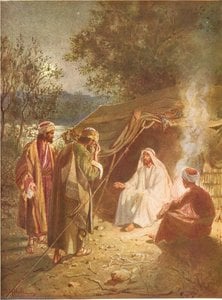
William Brassey Hole: Vita e Arte
Le origini e la formazione
- Nascita: Salisbury, Regno Unito (1846)
- Morte: 1917
- L'infanzia di William Brassey Hole fu segnata da una profonda tragedia. Suo padre, il medico Richard Hole, perse la vita durante l'epidemia di colera del 1849, quando William aveva solo tre anni.
- In seguito alla perdita del padre, la famiglia si trasferì a Edimburgo, in Scozia.
- Dopo aver ricevuto un'istruzione presso la Edinburgh Academy, intraprese un apprendistato quinquennale come ingegnere civile; un percorso che seguì con riluttanza, poiché il suo cuore aspirava profondamente all'arte.
Sviluppo artistico e influenze
- I primi viaggi: Nel 1869, Hole intraprese un tour di sei mesi in Italia per fare schizzi, partendo da Genova. Questo viaggio si rivelò fondamentale per consolidare le sue ambizioni artistiche.
- Un'influenza chiave: A Roma incontrò Keeley Halswelle, il quale gli fornì preziosi consigli pratici e critiche costruttive che lo incoraggiarono a intraprendere la pittura come professione.
- Al suo ritorno a Edimburgo, Hole frequentò la School of Design e successivamente ottenne l'ammissione alla scuola di figura della Royal Scottish Academy nel 1873.
- Fu eletto associato dell'accademia nel 1878, diventando in seguito membro effettivo (RSA).
- Hole si unì anche alla Royal Society of Painters-Etchers (RE) nel 1885, dopo essere già diventato membro della Royal Scottish Watercolour Society (RSW) nel 1884.
Stile e temi artistici
- Specializzazione: Hole si specializzò nella pittura di scene industriali, eventi storici e narrazioni bibliche.
- Focus scozzese: Nonostante la sua origine inglese, dedicò gran parte delle sue energie alla rappresentazione di soggetti e scopi nazionali scozzesi.
- Temi notevoli: La sua opera esplorava spesso i temi dell'industria, della storia, della fede e della vita della gente comune, con particolare attenzione ai pescatori della costa occidentale della Scozia.
- Fu un maestro dell'incisione, tanto che i critici lodavano la sua straordinaria capacità di tradurre il colore e la pennellata in questo medium.
Grandi opere e traguardi
- Dipinti chiave: Tra i suoi principali dipinti figurano “End of the '45” (1879), “Prince Charlie's Parliament” (1882), “If thou hadst known” (1885) e “The Canterbury Pilgrims” (1889).
- Serie della costa occidentale: I suoi dipinti dedicati ai pescatori, come "The Night’s Catch" e "The Fill of the Two Boats", ricevettero grande ammirazione.
- Fregio per la Scottish National Portrait Gallery (1898): Realizzò un fregio processionale che ritrae oltre 150 figure del passato scozzese, considerato un traguardo significativo nella decorazione murale.
- Illustrazioni bibliche: Intorno al 1900, viaggiò in Palestina per studiare i paesaggi per le sue tele bibliche, dando vita a 8도가 acquerelli utilizzati come illustrazioni nel suo libro “The Life of Jesus of Nazareth”.
- Realizzò inoltre dipinti storici per l'Edinburgh City Chambers e decorazioni ecclesiastiche per altri edifici.
- Illustratore: Hole illustrò opere di autori del calibro di Robert Louis Stevenson, J.M. Barrie e Robert Burns.
Significato storico ed eredità
- L'opera di William Brassey Hole offre preziosi spaccati della vita scozzese, dell'industria e delle credenze religiose del XIX secolo.
- Fusione di generi: Riuscì a fondere con successo l'accuratezza storica con la sensibilità artistica, creando narrazioni avvincenti nelle sue tele.
- Maestria nell'incisione: Le sue acqueforti sono tuttora molto apprezzate per la loro abilità tecnica e qualità espressiva.
- Il contributo di Hole all'arte e alla cultura scozzese è riconosciuto attraverso le sue opere esposte in prestigiose istituzioni e collezioni internazionali.
Domande e risposte
Dove posso vedere le opere di William Brassey Hole in ordine cronologico?
Esiste una cronologia delle opere di William Brassey Hole: la pagina Cronologia opere dell'artista ordina le opere per data di creazione.
Posso ordinare le opere di William Brassey Hole per colore?
L'indice spettrale di William Brassey Hole, consultabile tramite Indice Spettrale, è una pagina che organizza le opere dell'artista in base ai loro colori.
Di dove è William Brassey Hole?
William Brassey Hole è nato/a in United Kingdom.