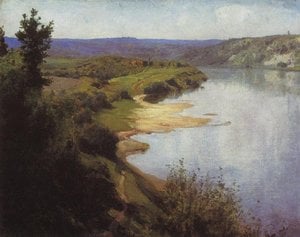
La Genesi di un Visionario
Nato nel fulgore intellettuale di San Pietroburgo nel 1844, Vasily Dmitrievich Polenov era destinato a diventare molto più di un semplice cronista della natura; egli sarebbe stato il suo poeta. La sua infanzia fu un arazzo tessuto con i fili dell'indagine scientifica e della passione artistica, plasmato profondamente da un'educazione illuminata.Suo padre, l'estimato archeologo Dmitri Vasilevich Pollev, lo guidò in pellegrinaggi formativi nel cuore della Russia—verso Novgorod, Rostov e Yaroslavl—dove le antiche chiese e i monasteri millenari infusero nel giovane artista un profondo rispetto per la storia. Questo legame ancestrale con il suolo russo fu completato dall'influenza di sua madre, Maria Alekseevna, anch'essa pittrice, che nutrì il suo talento nascente. Questi viaggi d'infanzia non furono semplici spostamenti, ma essenziali spedizioni di schizzo che gettarono le basi per una dedizione vitale volta a catturare l'anima profonda del paesaggio russo.
Il Cavaliere della Bellezza e il Movimento Peredvizhniki
Il percorso artistico di Polenov lo condusse dallo studio rigoroso della matematica e della fisica alle sacre sale dell'Accademia Imperiale delle Arti di San Pietroburgo. Sotto la guida di giganti come Ilya Repin e Ivan Kramskoi, egli abbracciò i principi del movimento Peredvizhniki, un gruppo di ribelli realisti dedicati alla responsabilità sociale e alla libertà artistica.Tuttavia, mentre i suoi contemporanei si concentravano spesso sulle realtà più crude dell'ingiustizia sociale, Polenov si distinse in una nicchia unica che gli valse l'appellativo di “cavaliere della bellezza”. Egli cercò di trascendere il puramente didascalico, sforzandosi invece di trovare un equilibrio armonioso tra la maestria tecnica europea e la profonda risonanza emotiva del folklore russo e del cristianesimo ortodosso. Il suo stile visse una metamorfosi affascinante, scivolando dalle osservazioni immerse nella luce dell'Impressionismo verso i regni più eterei del Simbolismo, mantenendo sempre un impegno costante verso l'osservazione meticolosa del mondo naturale.
Un'Eredità di Paesaggi Luminosi
La vera essenza dell'opera di Polenov risiede nella sua incrollabile convinzione che l'arte debba promuovere la felicità e la gioia. Questa convinzione umanista si esprime vivamente attraverso la sua maestria della luce e del colore. Le sue tele, come la serena Oka River o l'evocativo Interior of a Cathedral, sono caratterizzate da tavolozze luminose e superfici materiche che invitano lo spettatore in uno stato di contemplazione spirituale.Polenov possedeva un'abilità straordinaria nell'infondere anche nei paesaggi più tranquilli un senso di peso storico e significato religioso. La sua eredità duratura è definita da alcuni pilastri artistici fondamentali:
- L'integrazione perfetta della luce impressionista europea con l'anima russa.
- Un impegno verso un realismo meticoloso e la rappresentazione accurata della natura.
- L'uso del paesaggio come mezzo per la riflessione spirituale e morale.
Domande e risposte
Come posso seguire l'evoluzione dell'opera di Vasily Dmitrievich Polenov anno dopo anno?
È disponibile una cronologia delle opere di Vasily Dmitrievich Polenov: la pagina Cronologia delle opere dell'artista presenta le opere in ordine cronologico.
Dove posso vedere il profilo cromatico delle opere di Vasily Dmitrievich Polenov?
Il profilo cromatico delle opere di Vasily Dmitrievich Polenov è consultabile nella pagina Profilo Cromatico dell'Artista dell'artista.
Dove si possono trovare le opere di Vasily Dmitrievich Polenov raggruppate per movimento artistico?
I movimenti di Vasily Dmitrievich Polenov sono consultabili nella pagina Tutti i movimenti, che raggruppa le opere per movimento.