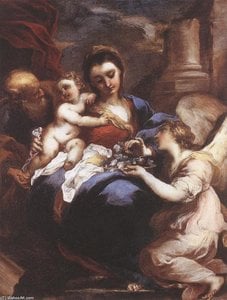
La Genesi di un Visionario Genovese
Valerio Castello emerse dalle ombre di una nobile stirpe genovese, una vita segnata sia dal prestigio della sua nascita che dall'improvviso morso delle difficoltà economiche seguite alla prematura morte del padre. Sebbene il suo cammino potesse condurlo verso le silenziose sale dell'impegno accademico, un legame innato e profondo con l'arte del disegno reindirizzò il suo destino verso la tela. Sotto gli occhi attenti di maestri quali Domenico Fiasella e Giovanni Andrea De Ferrari, il giovane Castello iniziò a intrecciare la sua perizia tecnica con una nascente ambizione artistica. Questo periodo formativo non riguardava solo il padroneggiare il pennello; si trattava di assorbire l'essenza stessa dello spirito ligure, preparandolo per una carriera che presto avrebbe illuminato le vette dell'era Barocca.Un Arazzo di Luce e Movimento
La traiettoria del genio di Castello fu irrevocabilmente alterata dai suoi viaggi trasformativi attraverso Milano e Parma tra il 1640 e il 1645. Questi pellegrinaggi servirono come una vitale immersione nelle vibranti correnti dell'arte veneziana, dove incontrò l'intensità drammatica di Camillo Procaccini. Il suo stile iniziò a fondersi in una magnifica sintesi, mescolando il dinamismo teatrale di Tintoretto con la grandiosità opulenta e soleggiata di Veronese. Questa alchimia unica gli permise di padroneggiare le complessità della composizione e della prospettiva, in particolare nelle sue celebri scene di battaglia, che catturavano l'energia caotica e la scala eroica prediletta dall'élite europea. La sua capacità di fondere queste influenze disparate creò un linguaggio visivo che era al contempo vigoroso ed esquisitamente aggraziato.Un'Eredità Barocca Duratura
Sebbene la sua vita sia stata tragicamente breve, concludendosi nel 1659, l'impatto della mano di Castello rimane inciso nel tessuto architettonico e spirituale di Genova. La sua capacità di dominare sia la tela intima che il monumento affrescato è evidente in opere come Mosè che percuote la roccia, un capolavoro del 1653 che incarna il potere divino attraverso un movimento viscerale, e nei suoi mozzafiato affreschi all'interno della Basilica della Santissima Annunziata del Vastato. Che stesse ritraendo le toccanti narrazioni bibliche di Rebecca al pozzo o i grandi trionfi collaborativi a Palazzo Balbi, Castello infuse ogni pennellata con un senso di trascendenza spirituale. La sua influenza si propagò attraverso le generazioni, plasmando notevolmente lo sviluppo di Domenico Piola e cementando il suo status di figura preminente del Barocco, lasciando dietro di sé un'eredità di luce, dramma e profonda emozione umana.Domande e risposte
È disponibile un tour virtuale 3D delle opere di Valerio Castello?
Le opere di Valerio Castello sono visibili in una galleria 3D nella pagina Galleria 3D dell'artista.
Dove posso vedere tutte le opere di Valerio Castello?
Tutte le opere di Valerio Castello presenti su questo sito web sono consultabili nella pagina Tutte le opere dell'artista.
A quale periodo storico appartiene l'opera di Valerio Castello?
Valerio Castello ha operato nel periodo Età Moderna, collocando storicamente la sua attività.